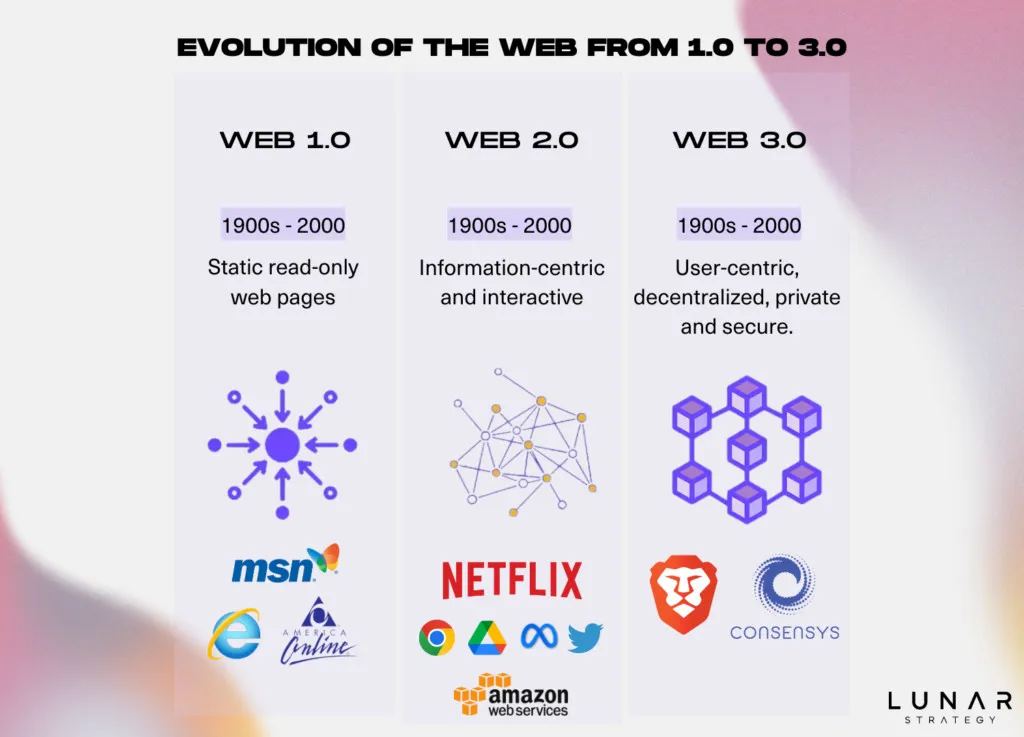
Shift from attention to ownership
The era of chasing vanity metrics is closing. For a web3 social strategy in 2026, sustainable monetization no longer comes from accumulating likes or views. It comes from building owned assets: tokens, data, and community governance. This pivot transforms your audience from passive consumers into active stakeholders.
Web3 social commerce integrates functionalities that let users discover, share, and transact directly, moving beyond simple content consumption. When you align incentives through token-gating and decentralized identifiers (DIDs), you create a closed loop where value stays within your ecosystem rather than leaking to centralized platforms.
This shift requires a fundamental change in how you measure success. Instead of focusing on reach, focus on retention and participation. By granting governance rights and exclusive access to token holders, you turn social engagement into a durable economic moat.
Leverage onchain identity for trust
Onchain identity shifts the trust model from platform validation to cryptographic proof. By using decentralized identifiers (DIDs) and wallet-based login, creators establish a verifiable reputation layer that persists across applications. This transparency is the foundation of high-value creator-audience relationships, allowing followers to verify authenticity without relying on centralized intermediaries.
This approach enables token-gating and governance participation as standard engagement tools. When an audience can trace a creator’s history and commitments on-chain, the barrier to entry for premium interactions drops significantly. J.P. Morgan’s Kinexys notes that this integration allows users to build trust directly within social commerce environments, moving beyond simple likes to verified, high-intent participation J.P. Morgan.
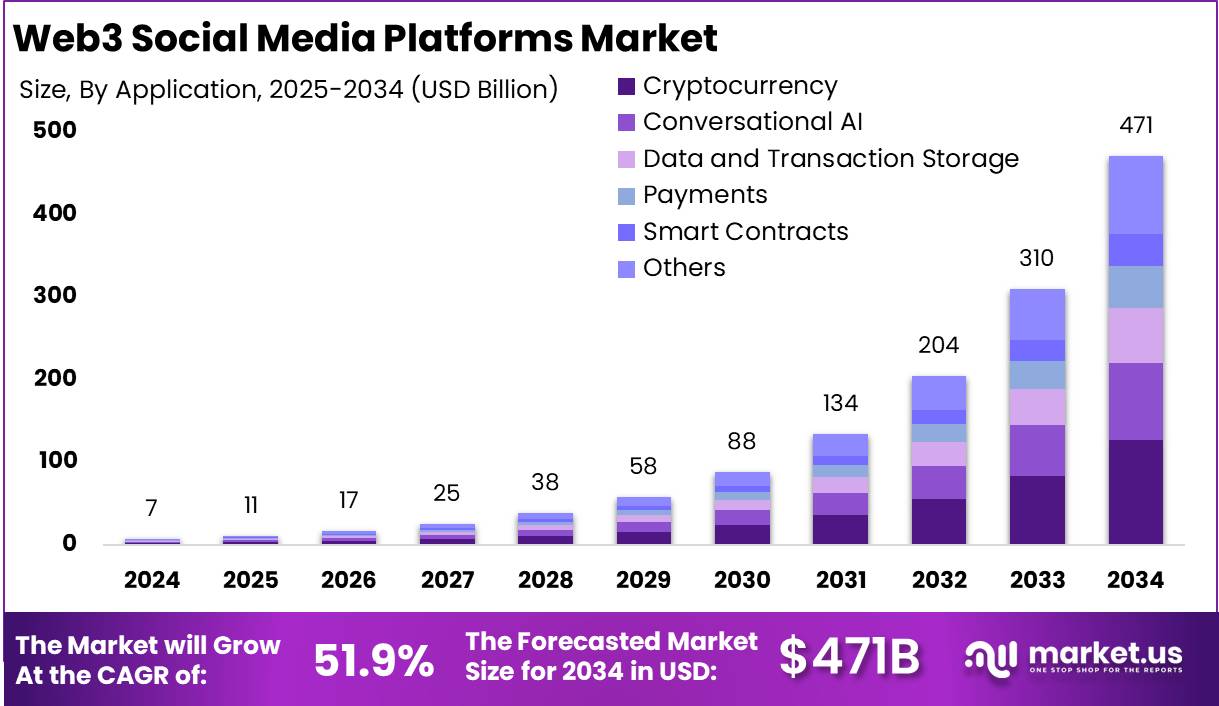
The data supports this shift. The chart below illustrates the correlation between wallet activity and social engagement metrics over the last 12 months, showing that verified onchain actions drive more sustained attention than traditional social signals.
Deploy token-gated content models
Token-gating shifts the creator-audience relationship from a passive subscription to an onchain membership. By requiring a specific NFT or token balance to access content, you align your incentives directly with your community’s holdings. This mechanism works because it turns access into a verifiable credential, ensuring that only those who have staked value—financial or social—can participate in your inner circle.
NFT-based subscriptions
The most direct application is the NFT subscription. Instead of recurring fiat payments processed by a third-party payment gateway, users mint or hold a soulbound token (SBT) or a specific NFT collection to unlock your premium feed. This model reduces friction for crypto-native users who already hold your assets and eliminates chargeback risks. Platforms like Guild.xyz or Collab.Land automate this verification, checking wallet balances in real-time to grant access to private Discord channels or gated content pages.
Dynamic NFTs for engagement
Static access is less compelling than evolving utility. Dynamic NFTs (dNFTs) change their metadata based on onchain activity, such as the number of posts made, votes cast, or time held. A dynamic badge might upgrade from "Member" to "Contributor" as the user engages more deeply with your protocol. This gamification loop encourages sustained interaction rather than one-time purchases, turning your audience into active stakeholders who are motivated to maintain their status.
Token-gated Discord and Telegram
Social channels remain the primary hub for Web3 community building, but traditional gatekeeping is weak. Token-gating integrates directly with Discord and Telegram bots to verify wallet ownership before allowing entry. This ensures that your community spaces are populated by genuine holders rather than bots or free-riders. It creates a high-signal environment where governance discussions and alpha sharing happen among verified participants, increasing the perceived value of membership.
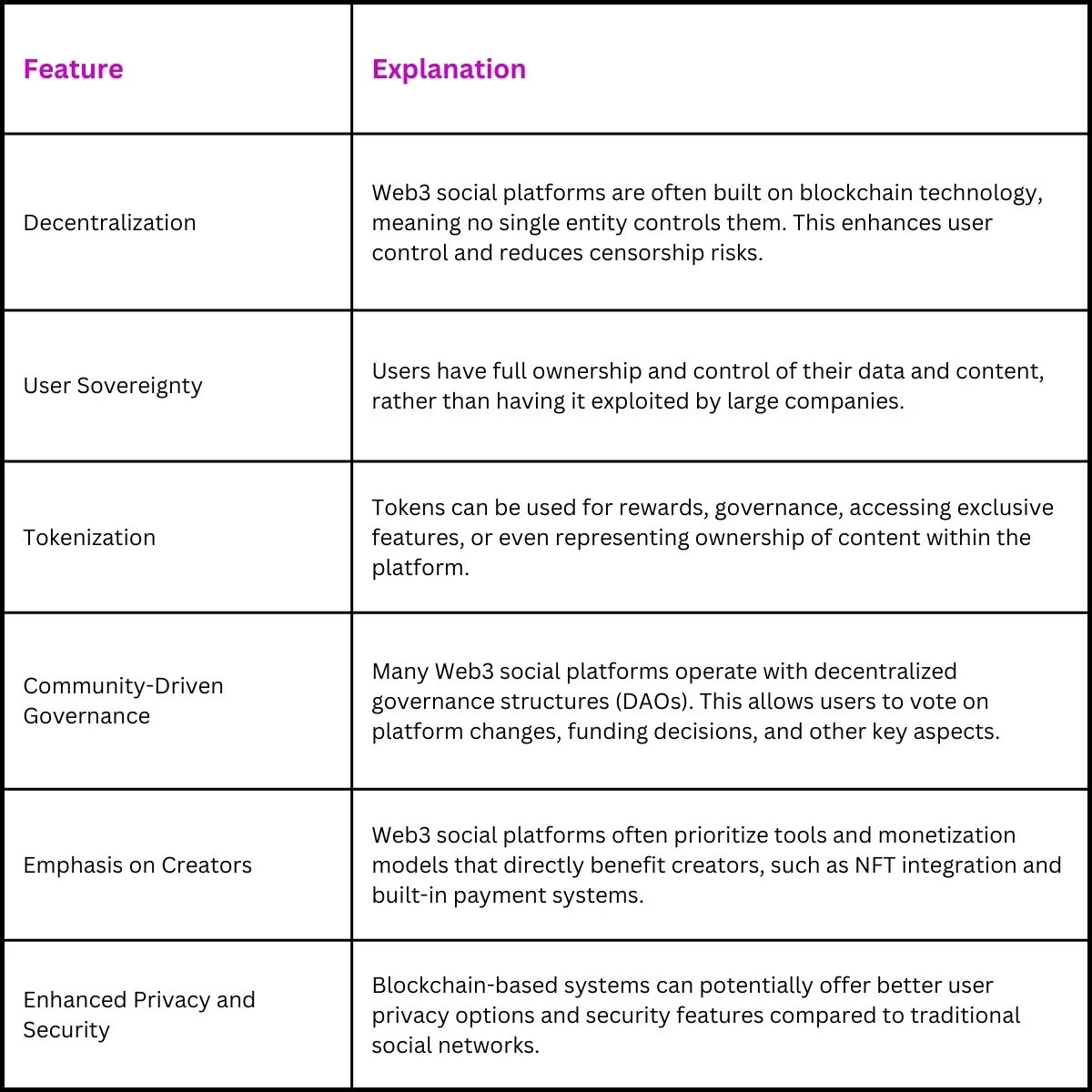
Comparison: Traditional vs. Token-Gated
The structural differences between traditional SaaS subscriptions and Web3 token-gating are significant, particularly regarding ownership and secondary markets.
| Feature | Traditional Subscription | Token-Gated Access |
|---|---|---|
| Ownership | None. Access is rented. | User owns the access token. |
| Churn Risk | High. Easy to cancel. | Lower. Assets hold residual value. |
| Secondary Market | None. Resale is prohibited. | Open. Tokens can be traded. |
| Verification | Email/Password based. | Onchain wallet signature. |
Embedding commerce directly into the feed
Friction is the enemy of conversion. In Web3 social, you remove it by embedding purchasing and tipping capabilities directly into the user’s scroll, rather than redirecting them to external wallets or checkout pages. This approach turns passive discovery into immediate action, leveraging the same infrastructure that powers decentralized identity and governance.
Start by integrating native tipping mechanisms. Instead of asking followers to copy a wallet address, use smart contracts that allow micro-transactions in stablecoins or native tokens with a single click. This reduces the cognitive load of "how do I pay?" and makes supporting creators feel as natural as liking a post.
For direct sales, implement token-gated storefronts within the social feed. Users verify their DIDs (Decentralized Identifiers) or NFT holdings to unlock exclusive products or limited-edition drops. This ensures that only your verified community can purchase, reducing fraud and increasing perceived value. The transaction happens in-context, keeping the user engaged with your content rather than lost in a separate e-commerce flow.
This seamless integration aligns with the broader shift toward social commerce, where trust and transaction happen in the same digital space. By keeping the buying experience inside the social layer, you capture intent while it is highest, turning audience engagement into measurable revenue without breaking the user’s flow.
Build community through governance
Giving token holders voting rights on content direction or project roadmap transforms passive followers into active stakeholders. This shift is not just about engagement metrics; it is about aligning incentives. When users hold governance tokens, they have a direct say in the platform's future, turning them into invested partners rather than mere consumers.
Why Governance Increases Retention
Retention in Web3 social media is driven by ownership. Unlike traditional platforms where users surrender rights to a company, Web3 platforms give users real control over their digital presence and the ecosystem's direction. This sense of ownership creates a sticky community that stays because they built it.
Practical Steps for Implementation
Start by implementing token-gated governance proposals. Allow holders to vote on key decisions, such as feature development or content moderation policies. This transparency builds trust and ensures the community feels heard. Use DIDs (Decentralized Identifiers) to streamline the voting process, making it seamless for users to participate without technical friction.
Real-World Examples
Look at platforms like Mirror or Farcaster, where governance is central to the user experience. Holders vote on protocol upgrades and treasury allocation, ensuring the platform evolves according to community needs. This approach fosters a loyal user base that is actively involved in the project's success.
Select the right web3 social tools
You can’t monetize what you can’t measure. In 2026, a fragmented tech stack is the fastest way to lose audience traction. Your tooling needs to handle three distinct functions: analytics, wallet management, and content distribution. The best platforms for onchain audiences prioritize interoperability, allowing your DIDs and token-gated content to move freely across ecosystems.
Start with analytics that track onchain behavior, not just clicks. Tools like Dune or Nansen provide the granular data needed to understand holder retention and community health. For wallet management, security is non-negotiable. Use hardware wallets for treasury funds and social recovery wallets for daily community engagement. This separation protects your assets while keeping your community accessible.
For content distribution, focus on platforms that support native token-gating. This ensures your paid content reaches only verified holders. Avoid generic social schedulers that don’t understand blockchain signatures. Instead, use specialized dapps that integrate directly with your smart contracts.


As an Amazon Associate, we may earn from qualifying purchases.
Execute your 2026 rollout plan
Launch your web3 social strategy by moving from abstract planning to concrete onchain action. This checklist ensures your community infrastructure is built on verifiable identity and direct value exchange.
Link your social profiles to a decentralized identifier (DID) or ENS. This proves your onchain history without revealing personal data, creating a trustless foundation for your audience.
Use smart contracts to restrict premium content to holders of specific tokens or NFTs. This shifts your audience from passive followers to active stakeholders with skin in the game.
Integrate a lightweight voting mechanism for community decisions. Allowing holders to vote on content direction or treasury usage builds loyalty and decentralizes your brand authority.
Set up automated revenue sharing via smart contracts. When your content drives value, ensure creators and early supporters are compensated instantly, reinforcing the economic loop of your platform.
By following these steps, you transform your social presence into a self-sustaining onchain economy. Focus on execution over theory to capture value in the 2026 landscape.
No comments yet. Be the first to share your thoughts!