The web3 social limits to account for
Web3 social platforms promise to return ownership of your social graph, content, and reputation to the user. In theory, this means no algorithmic shadowbans and the ability to port your followers to a new platform if you leave. The reality is more constrained by network effects and user experience gaps that centralized giants have spent decades refining.
The primary hurdle is adoption. Most Web3 social apps struggle with onboarding friction. Users must manage private keys, pay gas fees for basic interactions, and navigate unfamiliar wallet interfaces. This friction creates a high barrier to entry for mainstream users who are accustomed to seamless, password-less logins on platforms like X or Instagram.
Another constraint is discoverability. Without a central algorithm curating content, finding relevant communities or creators often requires manual exploration or reliance on external directories. This makes it harder for new users to find value quickly, leading to higher churn rates compared to traditional social networks.
Despite these challenges, the value proposition remains strong for specific niches. Creators and communities willing to tolerate friction can benefit from direct monetization, censorship resistance, and true digital ownership. However, for the average user seeking easy content consumption, Web3 social currently offers a fragmented and often slower experience.
Web3 social choices that change the plan
Use this section to make the Web3 Social Hub decision easier to compare in real life, not just on paper. Start with the reader's actual constraint, then separate must-have requirements from details that are merely nice to have. A practical choice should survive normal use, maintenance, timing, and budget. If a recommendation only works in an ideal situation, call that out plainly and give the reader a fallback path.
How to choose the right Web3 social platform
Web3 social platforms are not a single category. They range from decentralized publishing tools to identity layers and messaging apps. Picking the wrong one means losing data portability or wasting time on a protocol with no active users. Treat this as a product selection, not a trend chase.
Start by defining your primary goal. Are you building a community, publishing content, or managing identity? Each goal maps to a different technical stack. For example, Lens Protocol focuses on social graphs and content portability, while Farcaster prioritizes real-time messaging and low-friction onboarding. Aligning your use case with the protocol’s strengths prevents feature mismatch.
Evaluate the user experience before the technology. Many Web3 apps require wallet management and gas fees that frustrate casual users. If your audience is non-crypto-native, prioritize platforms with account abstraction or social login options. A complex onboarding process will kill adoption faster than any technical limitation.
Check the developer ecosystem and liquidity. A platform with no dApps or token liquidity is a dead end for builders. Look for active GitHub repositories, clear documentation, and existing integrations. The best Web3 social hubs are those where creators can actually monetize their work through tokens, NFTs, or grants.
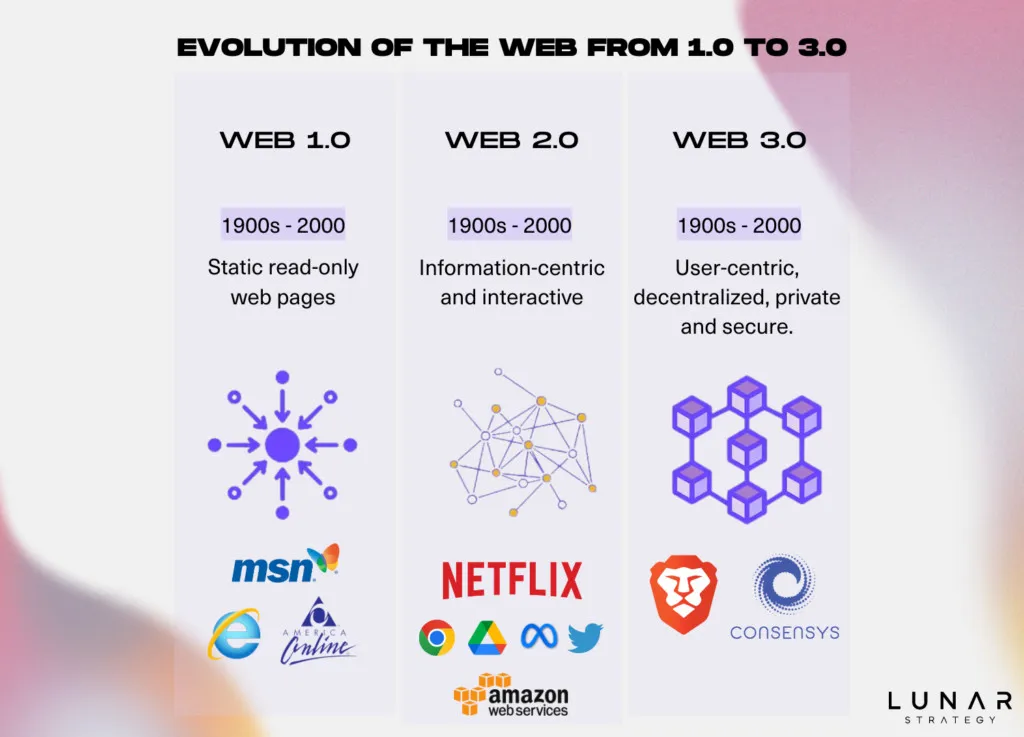
Identify if you need publishing, messaging, or identity. This determines the protocol layer you need to engage with.
Test the onboarding flow. If it requires more than two clicks to post or send a message, it is too complex for mass adoption.
Check for active developers, grant programs, and third-party dApps. A healthy ecosystem ensures long-term viability.
Review how creators earn. Look for sustainable reward models that don’t rely solely on speculative token price increases.



As an Amazon Associate, we may earn from qualifying purchases.
Identifying Weak Options in Web3 Social
Web3 social platforms promise user ownership, but the market is littered with projects that prioritize speculation over utility. Before engaging, distinguish between protocols that solve genuine coordination problems and those that simply tokenize attention.
Common Pitfalls to Avoid
Many platforms claim "decentralization" while relying on centralized servers for messaging or content hosting. This creates a single point of failure that defeats the purpose of the network. Check the codebase: if the core social graph isn't stored on-chain or in a verifiable decentralized storage layer like IPFS, the platform is likely just a traditional app with a wallet login.
Another trap is the "airdrop farming" mentality. Users often join these networks solely to qualify for future token distributions, creating artificial engagement metrics that don't reflect real community building. This leads to ghost towns once the incentives dry up. Look for platforms with sustained daily active users, not just token holders.
Evaluating the Technology
When assessing a Web3 social hub, focus on the social graph portability. Can you export your followers and content to another platform? If the answer is no, you don't own your identity; you're just renting it. True Web3 social allows for interoperability, letting users move their reputation and connections across different applications seamlessly.
Also, scrutinize the tokenomics. If the token has no utility beyond speculation or governance voting, it adds unnecessary complexity and risk. The best platforms use tokens to reward content creation or facilitate micropayments, aligning incentives between creators and consumers. Avoid platforms where the token price is the only metric of success.
Web3 social: what to check next
Before committing time or capital to decentralized platforms, it helps to separate hype from the actual mechanics of ownership and utility. The following answers address the most common practical objections and entry points for new users.
These questions highlight the core tension in the sector: while the technical potential for user ownership is real, the cultural and practical adoption barriers remain significant. Understanding these fundamentals helps you evaluate whether a specific platform or protocol aligns with your actual needs rather than market narratives.
No comments yet. Be the first to share your thoughts!