Why web3 social changes creator economics
Web3 social platforms shift the power dynamic from platform intermediaries to the creators themselves. In the Web2 model, you build an audience on rented land. You create the content, but the platform owns the data, controls the algorithm, and takes the lion’s share of the revenue through ads. If the platform decides to change its terms or demonetize your channel, your livelihood vanishes overnight.
In a Web3 ecosystem, your social graph—the connections you’ve built—is yours. It lives on the blockchain, not in a proprietary database. This means you can take your audience with you if you leave one platform for another. More importantly, monetization becomes direct. Instead of waiting for a platform to cut you a check based on ad views, you can receive tips, sell exclusive content as NFTs, or earn tokens directly from your community.
This isn’t just about better pay; it’s about security and longevity. Your reputation and assets are portable and verifiable. For creators, this means building a sustainable business rather than chasing viral moments for a platform’s benefit. The economics are simpler: value flows from fans to creators without a middleman taking a 30% cut.
Leading web3 social platforms for creators
Web3 social media is shifting from a novelty to a viable income stream, but the landscape is fragmented. Unlike Web2 platforms where algorithms dictate visibility, Web3 dApps often rely on direct community ownership or token incentives. For creators, this means monetization isn't just about ad revenue; it's about building a loyal, paying audience through tokens, NFTs, and direct tips.
The best platform for you depends on your content type and technical comfort. Some platforms feel like Twitter, offering quick updates and tipping, while others focus on long-form publishing or decentralized identity. Understanding the monetization model of each dApp is essential before committing your time.
Comparison of Top Web3 Social Platforms
The table below compares the most prominent Web3 social dApps based on their primary monetization mechanics, target audience size, and the technical barrier to entry for new creators.
| Platform | Monetization Model | Audience Size | Technical Barrier |
|---|---|---|---|
| Farcaster | Tips, Frames, & NFTs | Growing (100k+ active) | Medium (Requires Wallet) |
| Lens Protocol | NFTs & Protocol Fees | Medium (Niche Crypto) | High (Self-hosted) |
| Mirror | NFT Publications & Tipping | Medium (Web3 Native) | Low (Wallet Connect) |
| Steemit/Hive | Token Rewards (Upvotes) | Large (Established) | Low (Simple Signup) |
| Dapper Conversations | NFT Badges & Tips | Small (NBA Top Shot) | Medium (App Download) |
Farcaster: The Twitter Alternative
Farcaster has emerged as the leading decentralized alternative to X (formerly Twitter). It uses a "frames" feature that allows interactive apps directly within posts, enabling creators to sell NFTs, take polls, or accept tips without leaving the app. Creators earn primarily through direct tips from followers and by minting exclusive NFTs for their most engaged community members.
The barrier to entry is moderate; you need a crypto wallet (like MetaMask or Rabby) to connect, but the user experience is surprisingly smooth. The audience is currently smaller than X but highly engaged and crypto-native, making it easier to convert followers into paying supporters.
Lens Protocol: The Social Graph
Lens Protocol is not a single app but a self-sovereign social graph built on Polygon. This means your followers and posts are owned as NFTs, allowing you to move your audience between different apps (like Phaver or Lenster) without losing your data. Monetization here is heavily tied to NFTs; creators can mint "follower NFTs" that grant access to exclusive content or community channels.
Because Lens is a protocol, the technical barrier is higher. You need to understand how to mint NFTs and manage gas fees. However, for creators who want full ownership of their social capital and want to build a brand that isn't tied to one company, Lens offers unparalleled control.
Mirror: Long-Form Publishing
Mirror is a decentralized publishing platform built on Polygon, ideal for writers, journalists, and thought leaders. It allows creators to publish long-form articles that are permanently stored on the blockchain and minted as NFTs. Readers can "own" copies of articles, creating a scarcity model for digital content. Creators earn through direct tipping and the sale of article NFTs.
The technical barrier is low; you can connect your wallet and start publishing in minutes. The audience is smaller but consists of high-value Web3 readers who are accustomed to paying for quality content. It’s less about viral growth and more about building a dedicated subscriber base.
Steemit and Hive: The Early Pioneers
Steemit (and its community-driven fork, Hive) was one of the first Web3 social platforms, using a token reward system where upvotes convert to cryptocurrency. While the hype has faded, these platforms still have large, established audiences. Monetization is passive; you earn tokens based on the engagement your posts receive, rather than direct tips or NFT sales.
The technical barrier is very low, with easy sign-ups and a familiar blog-like interface. However, the earning potential per post is generally lower than on newer platforms like Farcaster or Mirror, and the audience is less focused on high-value crypto transactions.
Dapper Conversations: Sports and Pop Culture
Dapper Conversations, built by the team behind NBA Top Shot, focuses on sports and pop culture content. Creators can earn by minting NFT badges that represent their contributions or by accepting tips. The platform leverages the existing fanbase of major sports leagues, offering a unique niche for sports journalists and analysts.
The technical barrier is medium, as users often need to download the Dapper app and connect a wallet. The audience is specific to sports fans, making it a strong option for creators in that vertical but less relevant for general tech or lifestyle content.
Choosing Your Platform
There is no single "best" platform. If you want to build a personal brand with full ownership, Lens Protocol is powerful but complex. If you prefer a Twitter-like experience with interactive features, Farcaster is the current leader. For writers, Mirror offers a premium publishing environment. Many successful Web3 creators use a combination of these, starting on Farcaster for daily engagement and driving traffic to Mirror for deep dives.
Build your audience on-chain
Web3 social platforms operate differently from traditional social media. Instead of surrendering your content and data to a central company, you own your social graph and reputation [src-serp-3]. This ownership is the foundation of your growth strategy. You are not just a user; you are a node in the network, and your identity travels with you across applications.
Start by setting up a dedicated crypto wallet. This is your login to the Web3 world. Popular beginner options include MetaMask, Trust Wallet, and Phantom. Keep your seed phrase stored offline and turn on all necessary security settings before you post anything [src-serp-2]. Your wallet address is your public handle. Treat it like a brand asset, not just a bank account.
Mint a profile NFT
Many Web3 platforms use NFTs as profile pictures or membership badges. Minting a profile NFT signals that you are an active participant in the ecosystem. It creates a verifiable on-chain history that other creators and brands can inspect. This reputation is portable. You can carry your credibility from one platform to another without starting over.
Join relevant channels
Growth in Web3 is community-driven. Join Discord servers, Telegram groups, and Farcaster channels related to your niche. Do not spam. Engage with others’ content, share your own work, and build genuine relationships. Your first 100 followers will likely come from these tight-knit communities, not from algorithmic feeds.
Post consistently
Consistency matters more than frequency. Post regularly, but focus on quality. Share your process, your insights, and your on-chain activity. Use tools like Gitcoin or platform-specific dashboards to track your engagement. The goal is to build a loyal audience that values your unique perspective and on-chain presence.
Monetization Methods Beyond Ads
Ads are a relic of the Web2 era, where platforms captured the value you created. In Web3, you own the relationship with your audience, which means you can monetize directly without an intermediary taking a cut. This shift allows creators to build sustainable revenue streams that align with their community’s interests rather than chasing clickbait.
Token-Gated Content
Token-gating restricts access to specific content, communities, or tools based on wallet ownership. Instead of a monthly subscription fee paid to a platform, you issue an NFT or a specific token that acts as a membership key. Holders of this asset get exclusive access to private channels, early drops, or premium tutorials.
This model creates a loyal, invested community. Because your members hold an asset that can appreciate in value, they are more likely to stay engaged and support your work. Platforms like Guild.xyz or Collab.Land make it easy to set up these gated experiences across Discord, Telegram, or your own website.
NFT Drops and Digital Collectibles
NFTs are more than just profile pictures; they are a direct sales channel for your creative output. You can release limited-edition digital art, music tracks, or even access passes to real-world events. Each drop creates scarcity and urgency, driving immediate revenue.
Unlike traditional merch, digital collectibles have built-in secondary market royalties. When a collector resells your NFT, you automatically earn a percentage of that sale. This creates a recurring income stream that grows as your brand becomes more valuable over time.
Direct Tipping and Micropayments
Tipping has always been part of the creator economy, but Web3 removes the friction. With crypto wallets, you can receive small payments instantly without the 20-30% fees charged by third-party payment processors. This makes micropayments viable, allowing fans to support you for small interactions like a comment or a share.
Tools like Gitcoin Grants or platform-specific tipping features on Web3 social networks enable this seamless flow of value. It turns casual engagement into tangible support, strengthening the bond between you and your audience.
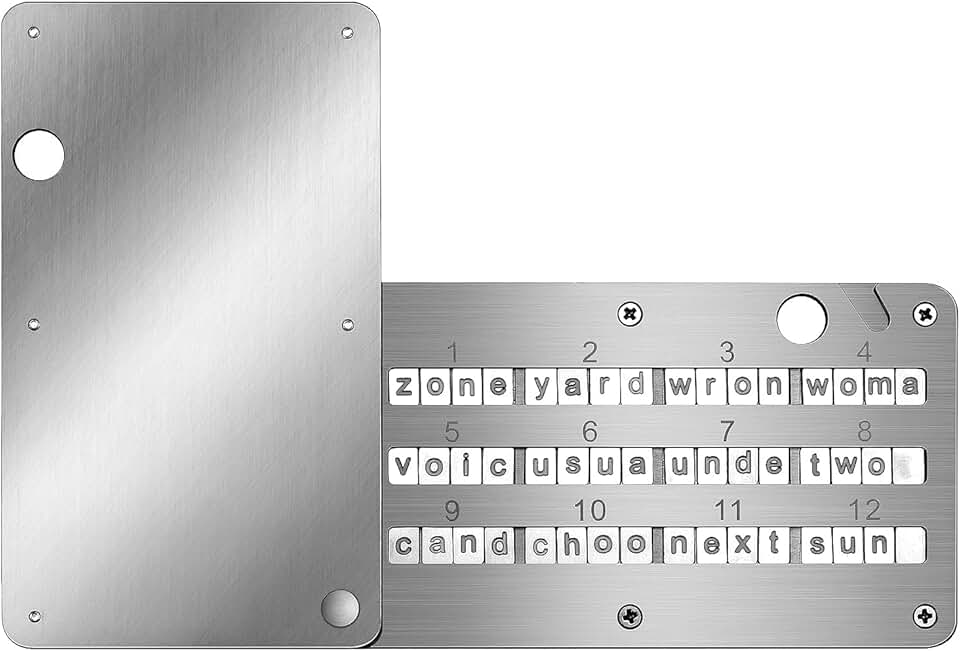
Essential Security Gear
Managing your own revenue streams requires secure asset management. If you are handling NFTs, tokens, or direct payments, protecting your private keys is non-negotiable. A hardware wallet is the first line of defense against hacks and phishing attempts.

As an Amazon Associate, we may earn from qualifying purchases.
No comments yet. Be the first to share your thoughts!