Why onchain identity changes the game
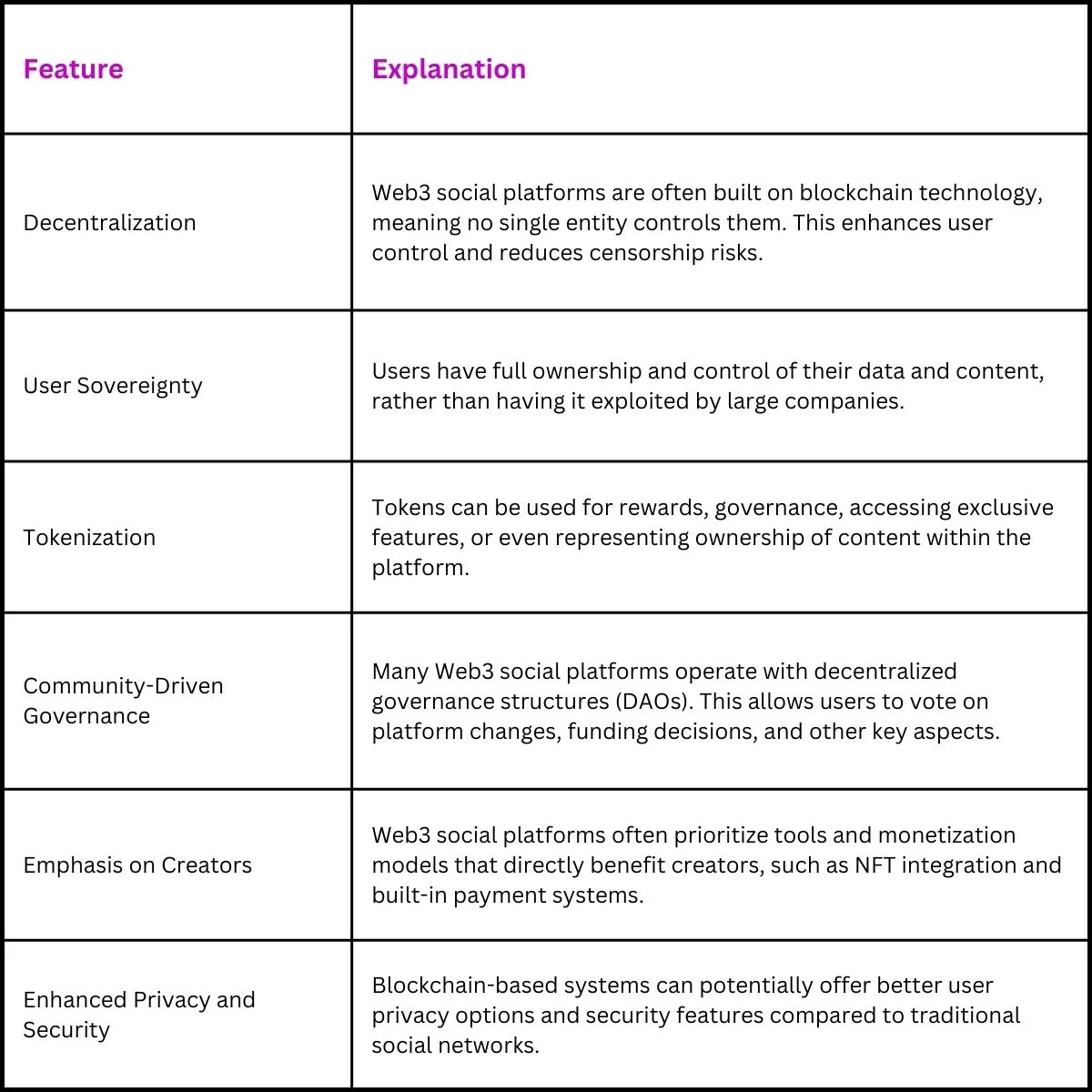
Web3 social refers to decentralized social networking protocols where users own their social graphs, content, and reputation. This shift moves attention from platform-dependent audiences to owned, portable digital identities. It is the foundation of any viable web3 social strategy.
On traditional platforms, your audience is rented. If the algorithm changes or your account is banned, your influence vanishes. Onchain identity flips this dynamic. Your social graph lives on the blockchain, not in a proprietary database. You can take your followers, your content, and your reputation to any compatible app.
This portability forces platforms to compete on value, not lock-in. Users are no longer just data points for advertisers; they are stakeholders. This changes how you monetize attention. Instead of chasing viral trends for ad revenue, you build direct relationships with a loyal community that owns a piece of the network.
The result is a more resilient social economy. You own your digital presence. This control allows for new monetization models, such as token-gated content or direct tipping, without intermediaries taking a cut. It is a fundamental change in how value flows online.
The infrastructure powering web3 social
Web3 social relies on a stack of decentralized technologies to replace the centralized servers of legacy platforms. Instead of a single company controlling your data, your social graph, content, and reputation are stored on-chain or on decentralized storage networks. This architecture allows for portable identities and censorship-resistant publishing, fundamentally changing how attention is monetized.
Blockchains for identity and interaction
The base layer consists of public blockchains that handle the heavy lifting of identity verification and transaction settlement. Most Web3 social applications use Ethereum Layer 2 networks or high-throughput chains like Solana to keep transaction costs near zero. This low cost is essential for micro-interactions, such as tipping creators or minting social tokens, which would be prohibitively expensive on mainnet Ethereum.
Network activity costs fluctuate with market conditions, directly impacting the feasibility of these micro-transactions. Monitoring the underlying asset's performance helps contextualize the economic environment for creators.
Decentralized storage and indexing
While blockchains secure identity, large files like images and videos are stored on decentralized storage networks such as IPFS or Arweave. This ensures that content remains available even if a specific server goes offline. However, blockchains are inefficient for searching data. Indexing protocols like The Graph scan the blockchain to create fast, queryable databases, allowing applications to load timelines and profiles instantly without querying the chain directly for every piece of information.
This separation of concerns—identity on-chain, content in decentralized storage, and data retrieval via indexing—creates a scalable infrastructure. It mirrors the efficiency of Web2 platforms while maintaining the user ownership and composability that define the Web3 creator economy.
AI-Driven Tools for Audience Growth
Artificial intelligence is shifting from a supportive role to the engine room of web3 social strategy. Platforms are increasingly integrating machine learning to automate content curation, community management, and personalized engagement. This shift allows creators to scale their presence without sacrificing the authenticity that onchain identity promises.
Automated Content Curation
AI algorithms now analyze onchain behavior and offchain interests to surface relevant content before users even search for it. Instead of relying on static feeds, platforms use predictive models to prioritize posts from creators whose tokens or NFTs align with a user’s portfolio. This reduces noise and increases the signal-to-noise ratio, making discovery more efficient for both new and veteran users.
Smart Community Management
Managing a decentralized community often means dealing with spam, bot activity, and repetitive questions. AI-driven moderation tools now filter out low-quality interactions in real-time, flagging suspicious patterns based on transaction history and social graph connections. This automation frees up community managers to focus on high-value engagement, such as hosting AMAs or coordinating governance votes, rather than policing the comment section.
Personalized Engagement at Scale
The most significant advantage of AI in web3 social is the ability to personalize outreach. Tools can now generate tailored responses to community members based on their specific holdings or past interactions. For example, if a user holds a specific governance token, the AI can highlight relevant proposals or discussions. This level of personalization fosters deeper loyalty, turning passive followers into active participants in the ecosystem.
Moving beyond ad revenue
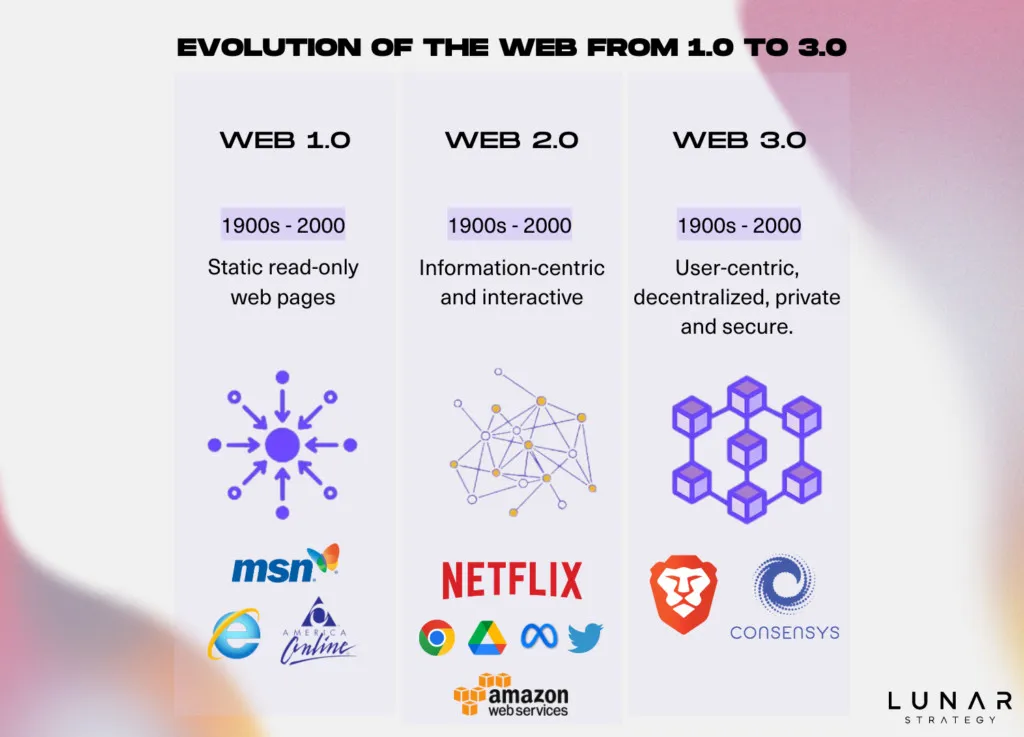
The traditional web2 ad model relies on selling user attention to third parties, a structure that often leaves creators with a fraction of the value they generate. Web3 social platforms are shifting this dynamic by introducing direct monetization methods like token-gated content, NFT memberships, and microtransactions. These models allow creators to retain ownership of their audience and capture more value directly from their community.
To understand the difference, we can compare the structural mechanics of these two approaches. The table below highlights how control, revenue share, and user ownership differ between traditional advertising and onchain identity-based monetization.
| Metric | Web2 Ad Revenue | Web3 Direct Monetization |
|---|---|---|
| Control | Platform-dependent policy changes | Smart contract governed |
| Revenue Share | Platform takes majority cut | Creator retains majority |
| User Ownership | Platform owns social graph | User owns identity/data |
| Monetization Type | Impressions and clicks | Tokens, NFTs, tips |
Token-gated content restricts access to premium posts or communities based on wallet holdings, creating a direct subscription model without intermediaries. NFT memberships function similarly but offer tradable assets that can appreciate in value, turning loyal followers into stakeholders. Microtransactions enable fans to support creators instantly with small crypto payments, bypassing the high fees associated with traditional payment processors.
This shift requires a change in mindset for both creators and users. While ad revenue scales with volume, direct monetization scales with engagement and community loyalty. As outlined in recent analyses of the web3 creator economy, these decentralized social platforms are providing novel features that fundamentally change how value is distributed online [src-serp-8]. The result is a more sustainable economic model where attention is monetized directly, rather than extracted.
Build your onchain presence step by step
Turning attention into revenue starts with a verified identity. Web3 social platforms let you own your social graph and reputation, which is the foundation for monetizing your audience. This checklist walks you through launching your onchain presence, from wallet setup to community governance.
Download a self-custody wallet like MetaMask or Rabby. Secure your seed phrase offline. This wallet is your digital passport and the only way to prove ownership of your onchain identity.
Mint a Soulbound Token (SBT) or profile NFT on your preferred decentralized social platform. Unlike tradable tokens, these represent your persistent reputation and cannot be sold, ensuring your history stays with you.
Connect your existing Twitter, Discord, and GitHub accounts to your wallet. This bridges your traditional reputation with your onchain identity, making it easier for your current audience to find and verify you.
Participate in Decentralized Autonomous Organizations (DAOs) that align with your niche. Voting and contributing to governance builds credibility and connects you with other creators who can amplify your content.
Start posting on decentralized social feeds. Use token-gated content or direct tipping to monetize your attention immediately. Your onchain history ensures that your engagement is tracked and rewarded transparently.
No comments yet. Be the first to share your thoughts!