Why modular infrastructure changes creator economics
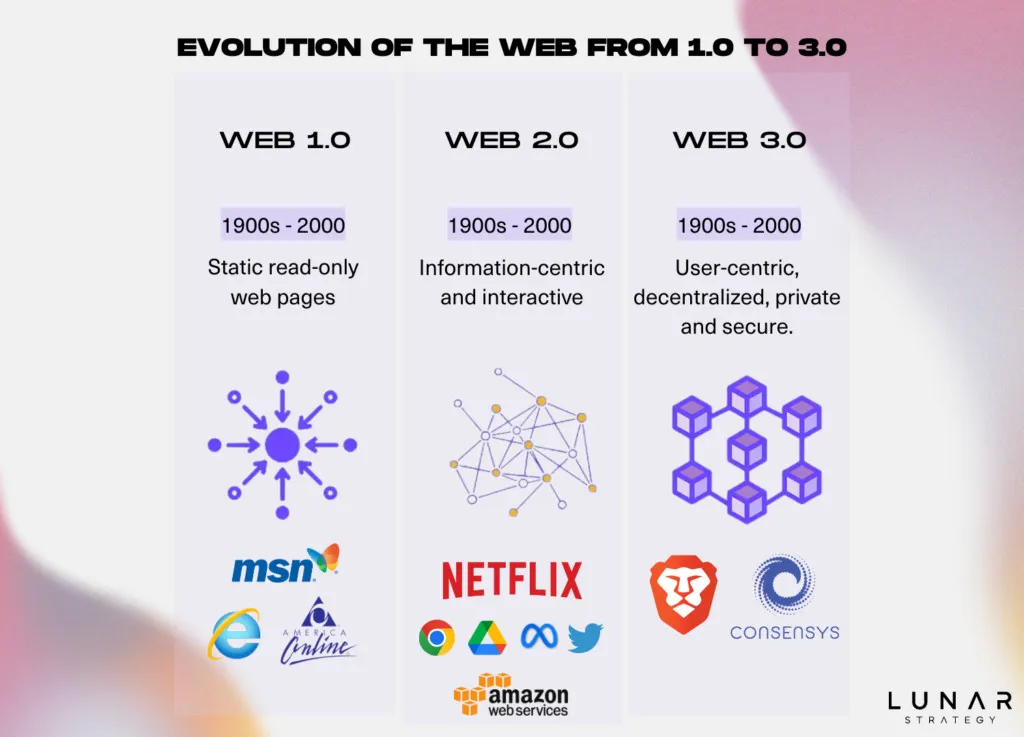
The shift from monolithic Web2 platforms to modular Web3 stacks is the fundamental enabler for new monetization models. In the legacy social media model, platforms like Meta or X operate as vertical silos. They own the identity, the social graph, and the content delivery infrastructure. This monopoly allows them to capture the majority of the value generated by creators, leaving the actual talent with little leverage or ownership over their audience.
Modular infrastructure breaks this monopoly by decoupling these layers. Identity, the social graph, and content storage are handled by separate, interoperable protocols. This separation means a creator’s audience isn’t locked into a single app. If one platform fails or changes its monetization policy, the creator can migrate their graph to a different frontend without losing their followers or reputation data. This portability forces platforms to compete on service quality and revenue share, rather than relying on walled-garden lock-in.
This architectural change directly impacts monetization. When the graph is portable, creators can diversify their income streams across multiple applications and protocols. They are no longer dependent on a single platform’s ad revenue or tipping system. Instead, they can integrate various monetization tools—such as token-gated content, direct subscriptions, or decentralized advertising—into their personal brand experience. This flexibility creates a more resilient and diversified income structure, shifting power back to the individual.
Token-gated access and direct support models
Token-gated access and direct support models allow creators to bypass traditional platform fees by leveraging blockchain infrastructure. Instead of surrendering a significant cut of revenue to centralized intermediaries, creators issue non-fungible tokens (NFTs) or governance tokens that serve as keys to exclusive content, communities, or financial tips.
This approach transforms social interaction into a direct economic relationship. Platforms like Paragraph enable writers to grow audiences while letting readers support them directly through on-chain transactions. The token acts as both a membership credential and a store of value, ensuring that financial support flows immediately to the creator without intermediary friction.
The mechanics rely on smart contracts that verify token ownership before granting access to gated material. This creates a sustainable revenue stream for niche creators who might otherwise struggle to monetize small, dedicated followings on ad-revenue-dependent legacy networks. By owning the distribution layer, creators retain control over their audience data and pricing strategies.
Leveraging decentralized identity for trust
In the current Web3 landscape, trust is the primary bottleneck to monetization. Creators often struggle to prove their value to brands and audiences because their history is scattered across closed platforms. Decentralized Identifiers (DIDs) solve this by giving creators a portable, verifiable identity that lives on the blockchain rather than inside a corporate database.
This shift moves reputation from a platform metric to a user asset. When a creator uses a DID, they can carry their engagement history, verification status, and community standing from one app to another. This portability is essential for high-value deals, as sponsors can instantly verify a creator's authenticity without relying on third-party analytics that may be inflated or opaque.
On-chain reputation layers add another dimension to this trust. By linking past transactions, content interactions, and community contributions to a single identity, creators build a transparent track record. This verifiable history reduces the risk for advertisers, who can now pay for genuine influence rather than purchased followers. As noted by J.P. Morgan's Kinexys, this paradigm shift is redefining social commerce by making transparency a core feature of creator economy infrastructure [src-serp-3].


As an Amazon Associate, we may earn from qualifying purchases.
Top Web3 social tools for creator growth
Choosing the right Web3 social tools depends on how you want to monetize your audience. Unlike Web2 platforms that rely on ad revenue shares, these tools offer direct ownership of your social graph and content. This structure allows creators to keep more value from tips, subscriptions, and token-based interactions.
The following table compares four leading platforms by their monetization models, user base size, and primary token utility. Each tool serves a different niche, from decentralized micro-blogging to long-form publishing.
| Platform | Monetization Model | Est. Users | Primary Token |
|---|---|---|---|
| Farcaster | Direct tips & subscriptions | ~1.5M | Warpcast (native) |
| Lens Protocol | NFT-gated content | ~1.2M | Lens (native) |
| Paragraph | Reader subscriptions | ~500K | None (fiat/crypto) |
| Steemit | Upvote-based rewards | ~300K | STEEM |
Farcaster has emerged as a leading micro-blogging protocol, leveraging the Warpcast client to facilitate rapid community growth. Its monetization is straightforward: users can tip creators directly or subscribe to exclusive content channels, keeping fees minimal compared to traditional social media.
Lens Protocol operates as a decentralized social graph that allows creators to own their audience data. This portability means you can move your followers between different apps built on Lens. Monetization often involves NFT-gated content, where access to posts or communities requires holding specific digital assets.
Paragraph focuses on long-form publishing and newsletters. It bridges the gap between Web2 readability and Web3 ownership. Creators can set up subscription tiers, accepting both fiat and cryptocurrency, making it easier to convert casual readers into paying supporters without complex wallet interactions.
Steemit pioneered the attention economy model, rewarding users with STEEM tokens for creating and curating content. While its user base has stabilized, it remains a unique example of direct token-based monetization for everyday posts, though the value of rewards can fluctuate significantly with market conditions.
Build a sustainable web3 social strategy
Transitioning from Web2 to Web3 requires shifting from platform dependency to community ownership. A sustainable web3 social strategy centers on aligning incentives between creators and their audience through transparent, on-chain interactions.
Start by securing a non-custodial wallet like MetaMask or Phantom. This digital identity serves as your primary key for authentication and monetization, replacing traditional email logins with cryptographic proof of ownership.
Link your wallet to decentralized identity protocols such as Gitcoin Passport or Lens Protocol. These verifications build trust within the ecosystem, allowing you to participate in governance and access creator-specific features without revealing personal data.
Move your core content to decentralized storage like IPFS and attach it to non-fungible tokens (NFTs). This ensures your audience owns the access rights, creating a direct revenue stream that isn't subject to algorithmic changes or platform bans.
Issue a utility or governance token to reward active participation. This aligns long-term incentives, turning passive followers into stakeholders who are financially motivated to promote your work and contribute to the community's growth.
Use the token to facilitate voting on content direction, feature requests, or treasury allocation. Regular governance rounds keep the community engaged and ensure the strategy evolves according to the collective will of your supporters.
No comments yet. Be the first to share your thoughts!