What defines web3 social infrastructure
Web3 social isn't just a new app; it's a stack where you own your graph, content, and reputation. Unlike Web2 platforms that treat your data as inventory, this infrastructure is built on protocols that let you move your audience and assets between applications without losing ground.
The web3 social stack consists of four distinct layers: hosting, social primitives, profiles, and applications. Think of it like the difference between renting an apartment in a managed complex versus owning a house with a portable foundation. In Web2, your profile is locked inside a single walled garden. In Web3, your identity is a portable asset you control.
At the base, hosting handles the storage of posts and media, often using decentralized networks like IPFS or Arweave to ensure data persists without a central server. Above that, social primitives are the core logic—like follows, likes, and feeds—that run on-chain or via decentralized compute. These primitives are protocol-level, meaning they aren't controlled by a single company's terms of service.
The profile layer acts as your universal identity. Instead of a username tied to one platform, your profile is a decentralized identifier (DID) linked to your wallet. This allows you to carry your reputation across different apps. Finally, applications are the user interfaces you actually see and interact with, built on top of these open primitives. This separation of concerns is what makes monetization possible: you can switch apps without losing your followers or your history.
This structure shifts the power dynamic from platform owners to creators. By owning the underlying data layers, you can take your audience with you if a platform changes its rules or shuts down. It's a fundamental shift from being a user to being a stakeholder in your own digital presence.
Compare top web3 social platforms for creators
Choosing the right web3 social platform depends on your audience and how you want to monetize. The landscape is shifting, with distinct protocols offering different tools for creator earnings and community building.
The image below illustrates the current state of these platforms, highlighting the major players in decentralized social networking.
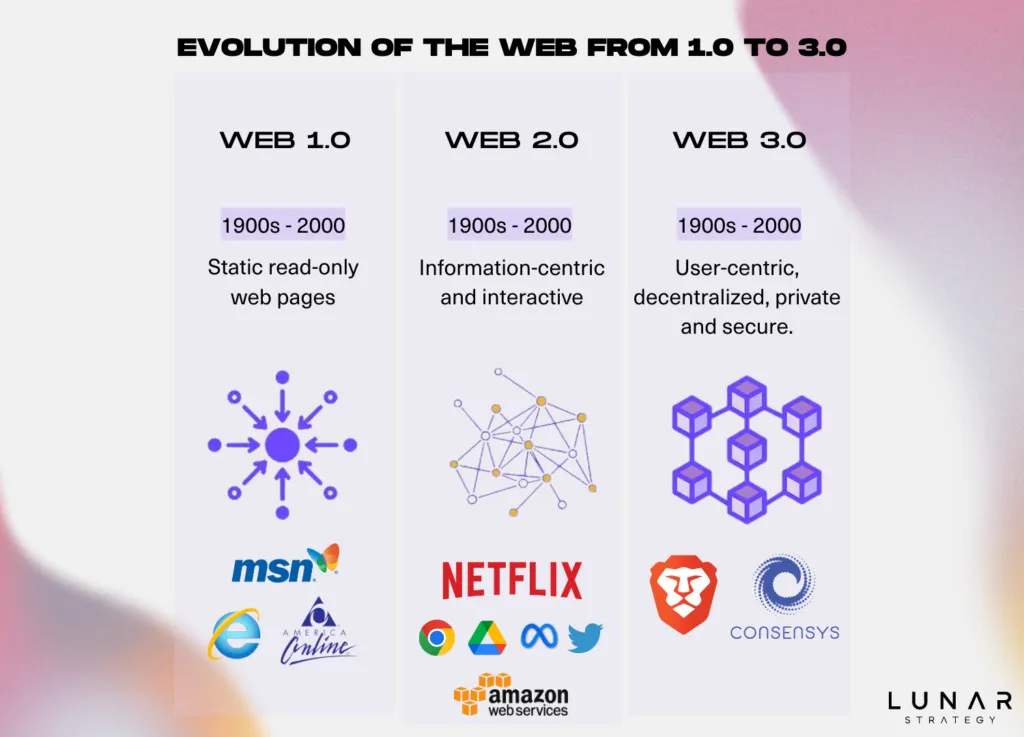
Here is a side-by-side comparison of the leading web3 social platforms, focusing on their protocol type, audience size, and monetization potential.
| Platform | Protocol | Audience Size | Monetization Tools |
|---|---|---|---|
| Farcaster | Farcaster | ~1.5M+ active users | NFTs, Tokens, Sponsorships |
| Lens Protocol | Polygon | ~500k+ profiles | NFTs, Lens Permits |
| Bluesky | AT Protocol | ~10M+ users | Native Tipping, Sponsorships |
| Nostr | Nostr | ~1M+ users | Lightning Network, Zap.it |
Onchain identity and creator reputation
In the Web3 social guide landscape, your wallet address is no longer just a payment terminal; it is your portable resume. Traditional social platforms keep your reputation locked inside their walled gardens. If you leave, you leave your followers and credibility behind. Onchain identity flips this model. By linking your wallet to verifiable credentials, you carry your reputation with you across every protocol, app, and community.
This portability is built on three core primitives: ENS domains, POAPs, and Soulbound Tokens (SBTs). An Ethereum Name Service (ENS) domain like yourname.eth acts as a human-readable anchor for your wallet. It signals professionalism and provides a consistent point of contact for brands and collaborators. Beyond just a name, your onchain history tells a deeper story.
Proof of Attendance Protocols (POAPs) and Soulbound Tokens serve as the evidence of that story. Unlike transferable NFTs, SBTs are non-transferable, meaning they cannot be bought or sold. They represent achievements, memberships, or contributions that are permanently tied to your identity. When a brand or community looks at your profile, they see a verified track record of engagement rather than just a follower count. This verifiable trust lowers the friction for funding, grants, and partnership opportunities, turning your social graph into a tangible asset.
Market trends in web3 social monetization
The Web3 social landscape is shifting from experimental speculation to infrastructure-driven utility. Creators are no longer just holding tokens; they are interacting with protocols that use AI to manage engagement and monetization at scale. This transition is reshaping how value flows from audiences to creators, moving away from volatile speculation toward sustainable, on-chain identity models.
At the heart of this shift is the rise of AI-driven infrastructure. Platforms are increasingly integrating automated tools to handle content moderation, personalized feeds, and community management. For creators, this means less time managing administrative overhead and more time producing. The efficiency gains allow smaller creators to compete with larger entities by automating the distribution and monetization of their social graphs.
Financial performance in this sector remains highly volatile, particularly for governance and social tokens. While some projects have seen significant price action, the broader market is filtering out weak architectures. Investors and creators are paying closer attention to tokenomics that align long-term incentives with actual user activity rather than short-term hype. Understanding these market dynamics is essential for any Web3 social guide focused on sustainable creator income.
The following chart illustrates the recent price action for a leading Web3 social protocol token, highlighting the volatility and sentiment shifts that define this market.
As the market matures, the focus is moving toward platforms that offer real utility. Governance tokens are becoming less about voting rights alone and more about access to premium features, revenue sharing, and decentralized storage. This evolution suggests a future where social reputation is directly tied to financial opportunity, creating a more robust ecosystem for digital creators.
Common pitfalls in web3 social adoption
The question "why did web3 fail?" usually points to a specific set of structural flaws. Most projects stumble because they prioritize blockchain novelty over basic product-market fit. As noted in industry analysis, innovation without structure leads to instability, particularly when development teams understand the code but not the user.
Technical debt and poor UX
Creators often face friction from clunky interfaces and slow transaction times. If a platform feels slower or more confusing than a standard social app, users leave. The promise of ownership means little if the experience is broken. You must build on stable architecture, not experimental hacks that break under load.
Unclear business models
Many platforms launch with vague tokenomics that confuse rather than incentivize. Creators need predictable revenue streams, not speculative volatility. If the monetization path isn't clear from day one, both creators and audiences will drift to platforms with sustainable economics. Focus on utility first, tokens second.
Launch your web3 social presence
Building a Web3 social presence requires more than just posting content; it demands setting up the underlying infrastructure that proves ownership and enables direct monetization. This guide walks you through the essential steps to get started.
Start with a self-custody wallet like MetaMask or Phantom. Secure it with a strong password and store your seed phrase offline. Next, register an Ethereum Name Service (ENS) domain to replace your complex address with a human-readable identity, such as creator.eth.
Create a Soulbound Token (SBT) or a profile NFT to serve as your on-chain resume. Unlike tradable assets, SBTs are non-transferable, making them ideal for representing permanent reputation, achievements, and social graph connections without the risk of being sold.
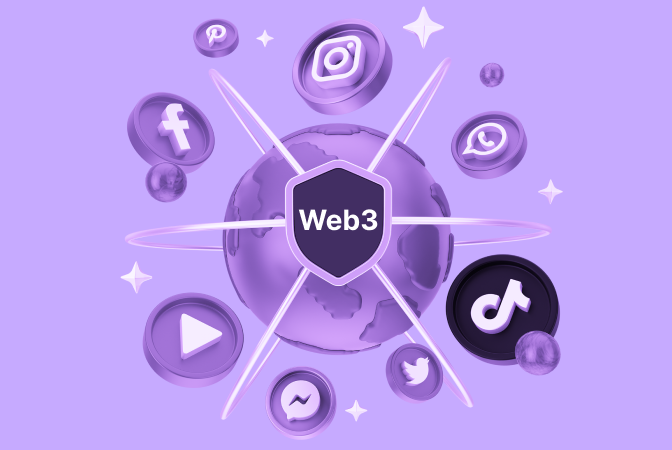
Choose a decentralized protocol like Lens or Farcaster. Connect your wallet to the platform’s interface to import your ENS and SBT. This step ensures your social graph and content are stored on-chain, giving you full ownership and the ability to move your audience across different apps.
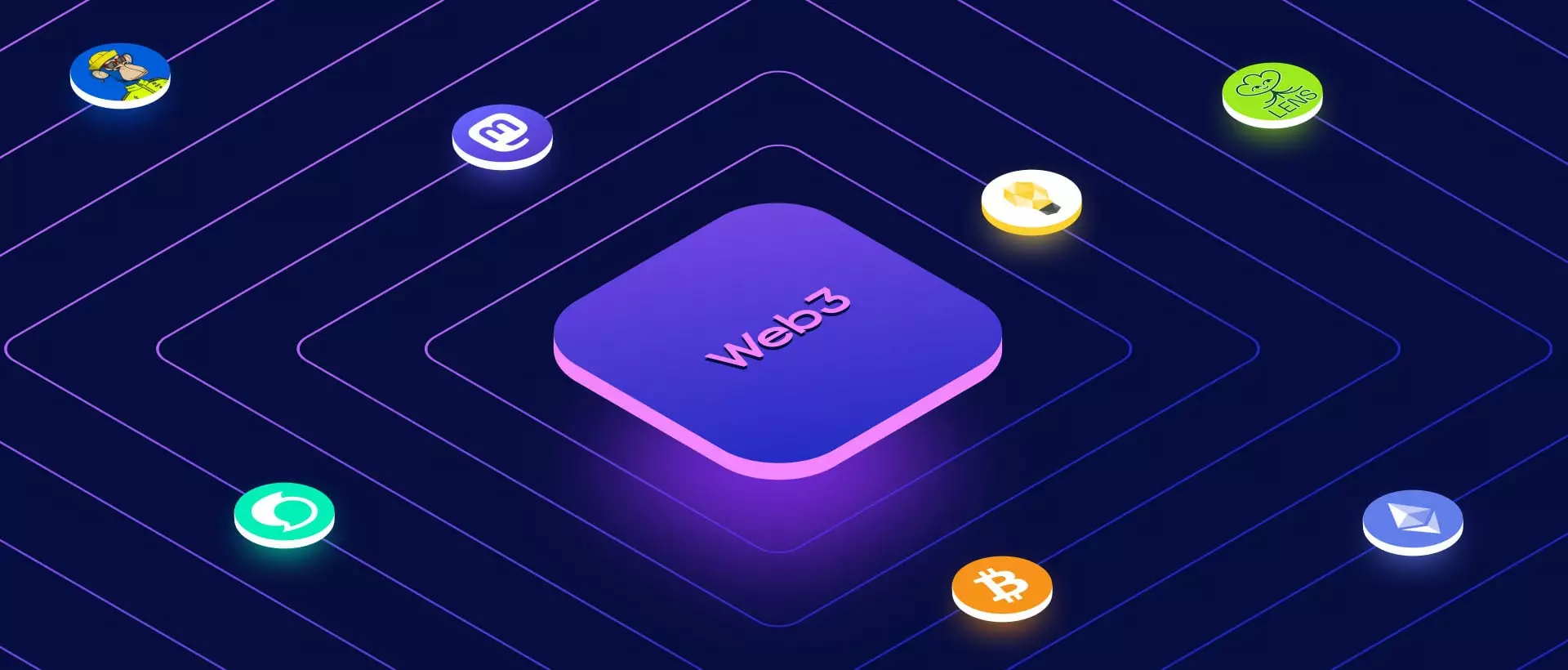
Enable direct monetization features provided by the protocol. This may include setting up subscription tiers for exclusive content, enabling token-gated communities, or integrating payment rails for tips and donations. Ensure your wallet is connected to a supported payment gateway to receive funds instantly.
Frequently asked questions about web3 social
What is web3 social?
Web3 Social refers to decentralized social networking protocols and platforms where users own their social graphs, content, and reputation [src-serp-3]. Unlike traditional platforms that lock data into proprietary silos, these networks give you real control over your digital presence. You own your content and data, rather than surrendering rights to a company [src-serp-2]. This shift allows creators to monetize directly without middlemen taking large cuts.
Why did Web 3.0 fail?
Most Web 3.0 projects fail due to weak technical architecture, poor security practices, unclear business models, and lack of scalability planning [src-marsmatics]. Development teams often understand blockchain technology but not real-world product execution. In other words, innovation without structure leads to instability. Successful Web3 Social platforms must balance cutting-edge crypto mechanics with intuitive user experiences to avoid these pitfalls.
What are the top 3 web3 wallets?
For accessing Web3 Social platforms, security and interoperability are paramount. The top picks for 2026 include:
- MetaMask: The industry standard for browser-based interaction with decentralized apps.
- Trust Wallet: A popular mobile-first option with built-in staking and NFT support.
- Ledger: A hardware wallet offering the highest level of security for long-term asset storage.
Other notable mentions include Phantom for Solana-based ecosystems and Rabby Wallet for advanced transaction previews [src-cointracker].
No comments yet. Be the first to share your thoughts!