Why onchain identity matters now
The internet has spent the last decade teaching us to rent our audiences. We built communities on platforms that own the underlying infrastructure, control the algorithm, and can change the rules—or shut down the account—without warning. For creators, this is a fragile existence. Your followers are not yours; they are tenants of a digital landlord. This dependency is the central friction point that a Web3 social strategy aims to resolve.
Onchain identity shifts this power dynamic by anchoring your reputation, content, and social graph to a wallet you control. Instead of logging into a walled garden, you log into a protocol. As noted by Gitcoin, Web3 Social refers to decentralized social networking protocols where users own their social graphs and reputation. This ownership is not just a philosophical stance; it is a technical reality. Your connections, your posts, and your influence are stored on a public ledger, not in a private database owned by a corporation.
This shift creates a new economic layer for creators. When your identity is onchain, your social capital becomes portable and verifiable. You can take your audience with you if you leave a platform. You can prove your history and credibility without relying on a platform’s verification badge. This portability is the foundation of a sustainable Web3 social strategy, allowing creators to monetize their influence directly rather than through ad-revenue splits dictated by third parties.
The result is a move from platform-owned audiences to user-owned social graphs. This isn’t just about privacy; it’s about economic agency. By owning your identity, you own the value you create. This is the starting point for any serious discussion on monetizing creators in the decentralized web.
Tracking market momentum with charts
The financial viability of a Web3 social strategy depends on understanding the liquidity and sentiment of the underlying assets. Unlike traditional social media, where value is trapped in platform equity, Web3 social platforms often integrate with token economies that reflect real-time market confidence.
To gauge this momentum, you need to look beyond surface-level metrics and examine the price action of major Web3 social tokens. These assets serve as a barometer for investor interest and user adoption. When you see sustained volume in tokens like ENS or Farcourt-related assets, it signals that the market is pricing in the long-term utility of onchain identity.
A live technical chart provides the clearest view of these trends. By analyzing support levels and trading volume, creators and developers can identify optimal moments for engagement or investment. This isn't just about speculation; it's about understanding the economic layer that powers decentralized social graphs.
For a broader market context, watching the price of Ethereum itself is essential, as most Web3 social activity settles on the Ethereum network. A healthy ETH price often correlates with increased activity in the social layer, providing a stable foundation for creator monetization.
Compare web3 social platforms for creator monetization
Choosing the right Web3 social strategy depends on how you plan to monetize and who you want to reach. The leading platforms—Paragraph, Lens Protocol, and Farcaster—offer distinct advantages for creators. Some focus on direct content sales, while others prioritize community building and protocol-level ownership.
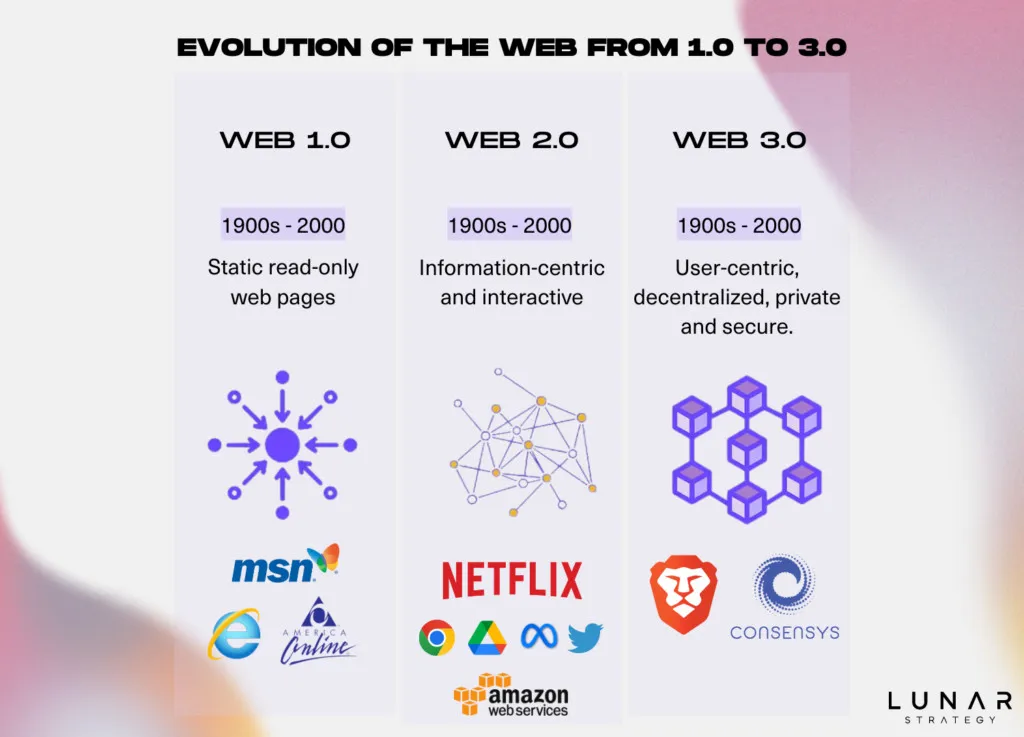
The table below breaks down the core differences in monetization tools, audience reach, and technical requirements. Use this comparison to align your Web3 social strategy with your specific content goals.
| Platform | Monetization Model | Primary Audience | Tech Stack |
|---|---|---|---|
| Paragraph | Direct tips & subscriptions | Writers & readers | Ethereum L2 |
| Lens Protocol | NFTs & token-gating | Web3 natives | Polygon |
| Farcaster | Frames & app incentives | Crypto enthusiasts | Optimism |
Paragraph is ideal for writers who want to publish long-form content and accept direct support from readers. It operates on Ethereum L2, making transactions fast and cheap. Lens Protocol appeals to creators who want to own their social graph and monetize through NFTs. Farcaster is best for developers and early adopters who want to build interactive experiences using Frames.
Your choice should depend on whether you prioritize content distribution, community ownership, or technical flexibility. Each platform supports a different aspect of the broader Web3 social ecosystem.
Using AI agents to scale content
Web3 social media is built on decentralization, meaning no single entity controls the platform. This structure creates a noisy environment where visibility is hard-won. AI agents help creators cut through the static by automating distribution and engagement across multiple chains and protocols.
These agents act as tireless assistants. They can schedule posts for optimal times, reply to comments with context-aware messages, and even curate relevant content from other creators. The goal isn't to replace human voice but to amplify it. By handling repetitive tasks, AI frees creators to focus on strategy and authentic storytelling.
However, scaling with AI requires care. Over-automation can make interactions feel robotic, damaging the trust that is central to Web3 communities. Successful strategies use AI to enhance, not replace, human connection. For example, an agent might flag high-value comments for human review rather than auto-replying to everything. This hybrid approach maintains authenticity while leveraging efficiency.
The result is a more sustainable content engine. Creators can maintain a consistent presence without burning out. As the ecosystem matures, AI tools will become essential for managing the complexity of onchain identity and cross-platform engagement.
Build your web3 social strategy
Launching on Web3 isn’t just about posting; it’s about owning your identity. Follow this five-step checklist to set up your onchain presence and start monetizing your audience.
Start with a secure, non-custodial wallet like MetaMask or Rabby. Fund it with a small amount of ETH or the native token of your target platform. This wallet is your key to identity and payments.
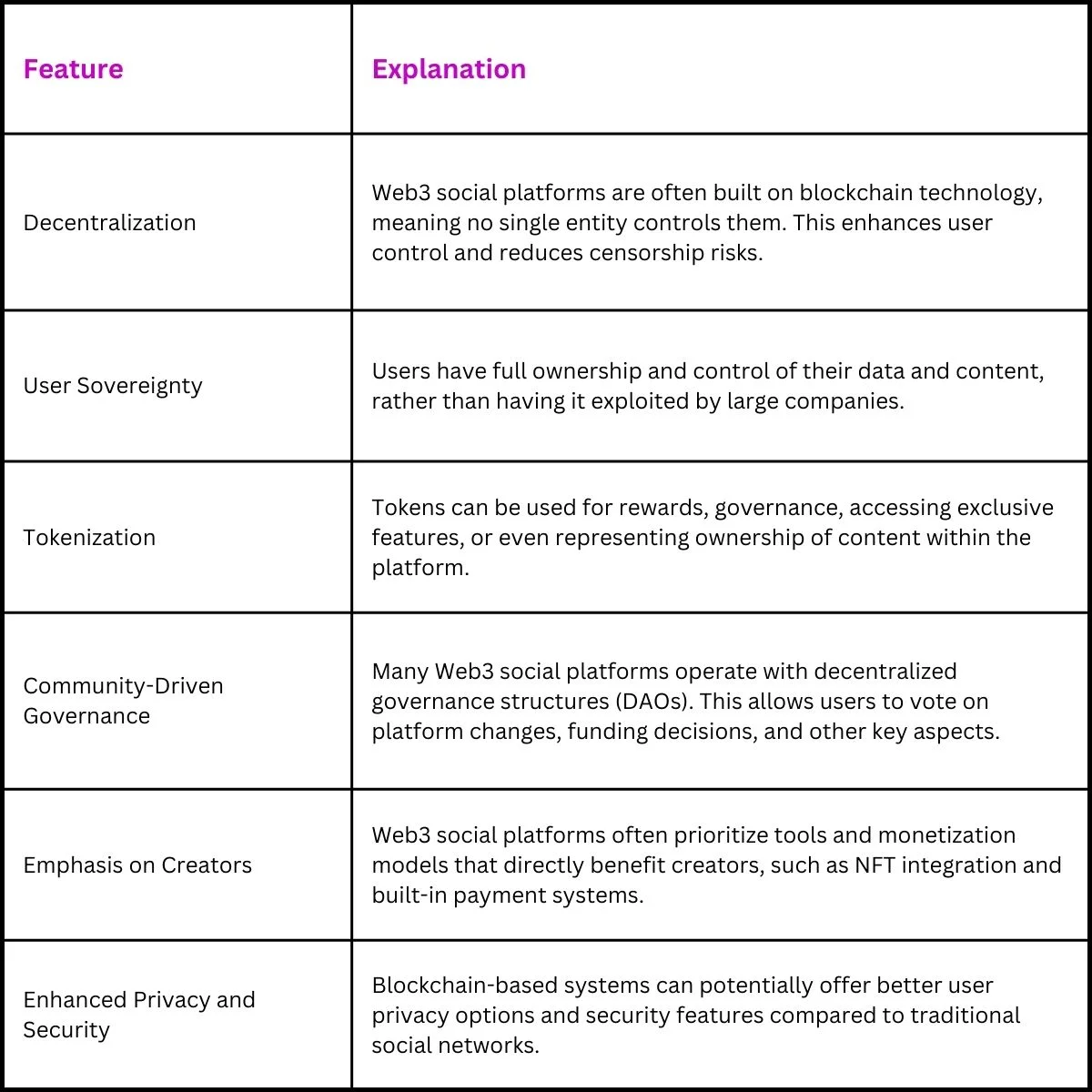
Most Web3 social platforms (Lens, Farcaster) require a profile NFT. Minting this creates a permanent, portable identity that you own, not the platform. This asset proves your reputation across different apps.
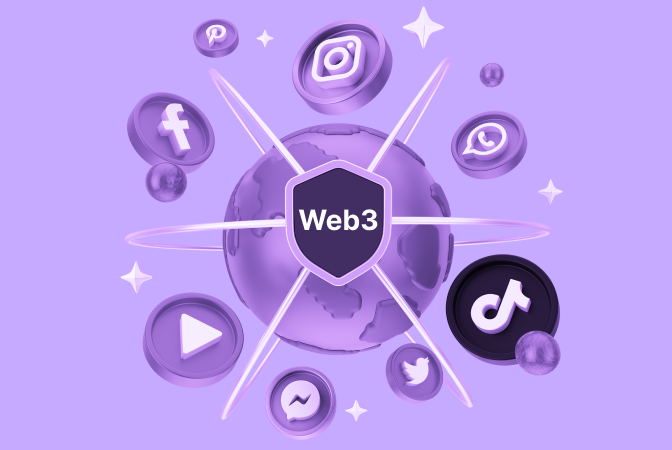
Link your wallet to a decentralized social protocol. Unlike traditional social media, your data lives on-chain. This allows you to move your followers and content between apps without losing your audience.
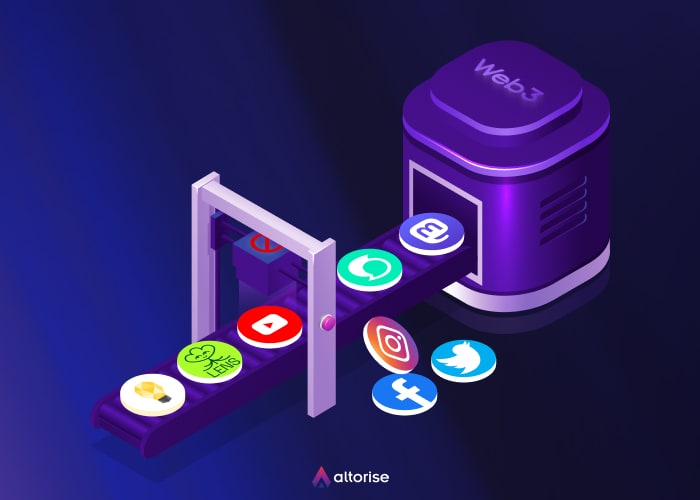
Consider adding an AI agent to your profile to handle community engagement. These agents can answer questions, moderate comments, or even sell digital products on your behalf while you sleep.
Monetize immediately by locking content behind a token gate. Require followers to hold a specific NFT or token to view your premium insights. This creates a direct revenue stream from your most engaged supporters.
No comments yet. Be the first to share your thoughts!