What defines a web3 social strategy
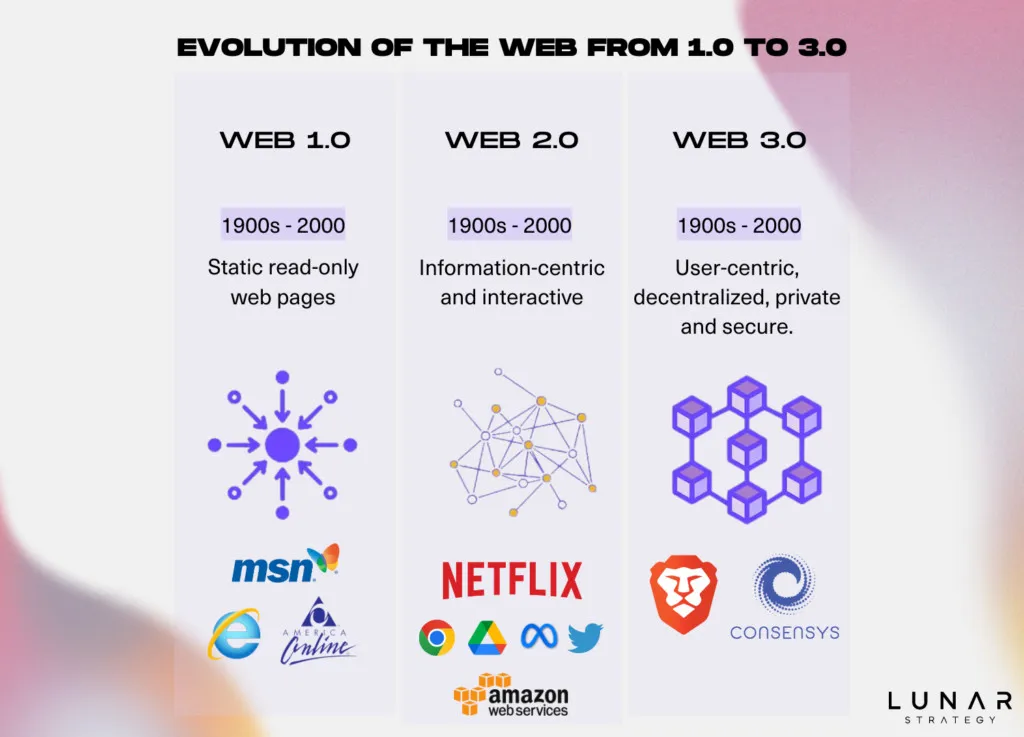
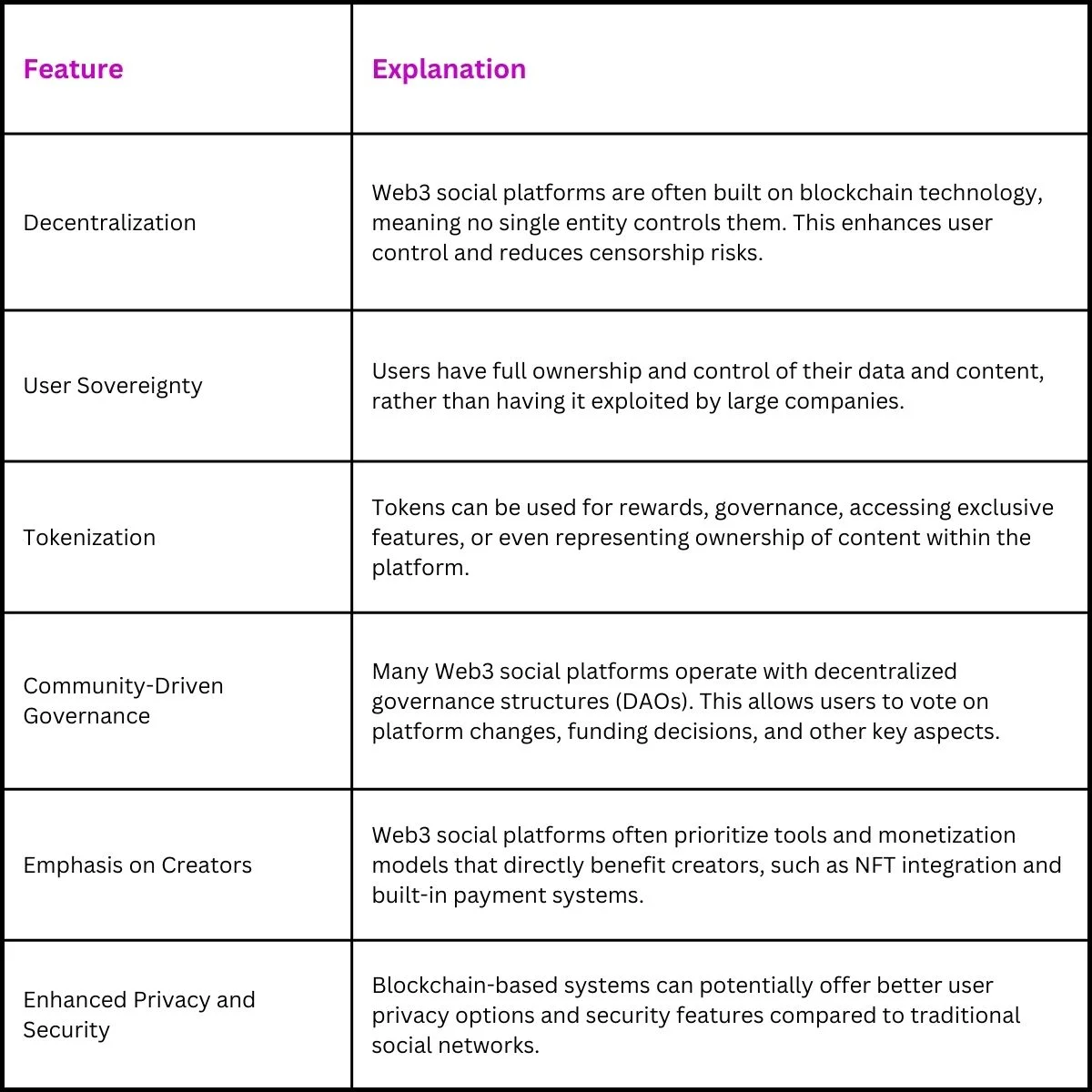
A web3 social strategy shifts the center of gravity from platform-centric engagement to user-owned identity and data. Instead of building an audience on a siloed app where the platform owns the relationship, you build on decentralized protocols that give you portable reputation and direct monetization capabilities.
This approach treats your social graph as a digital asset. In traditional Web2, your followers and content are locked inside a single company’s ecosystem. If the platform changes its algorithm or shuts down, your reach vanishes. A web3 social strategy decouples your identity from any single application, allowing you to move your audience and data across different interfaces while maintaining ownership.
For creators and developers, this means the strategy is no longer just about content creation; it’s about infrastructure. You are building on protocols where users control their digital presence, rather than surrendering rights to a corporation. This shift enables new economic models, such as token-gated communities and direct creator-to-fan transactions, bypassing traditional intermediaries.
The success of this strategy depends on understanding the underlying technology. Unlike Web2, where user data is the product sold to advertisers, Web3 social platforms are often governed by tokenomics that align incentives between creators, users, and developers. This requires a different mindset, focusing on community governance and sustainable value creation rather than just viral growth.
The Infrastructure Behind Onchain Identity
Your web3 social strategy relies on a technical stack that replaces traditional username systems with verifiable, portable identity. At the foundation is the Ethereum Name Service (ENS), which maps human-readable names to blockchain addresses. This isn't just about convenience; it is the primary credential that signals legitimacy to other protocols and potential collaborators.
Beyond simple names, reputation protocols aggregate your onchain activity into a score that proves your worth. These systems analyze your history of contributions, token holdings, and social interactions to create a reusable reputation layer. This allows you to monetize your influence across different platforms without starting from zero each time.
To understand the market dynamics driving this infrastructure, consider the performance of the ENS token. Its price action reflects investor confidence in the underlying technology and the growing demand for verifiable digital identity.
This infrastructure transforms social capital into a tangible asset. By anchoring your identity in code, you create a durable foundation for a sustainable web3 creator economy.
Top web3 social tools for creators
Building a web3 social strategy requires picking platforms that actually pay attention to creator value. The landscape has shifted from experimental protocols to structured ecosystems where identity, content, and token incentives align. Below are the leading tools that let you monetize your onchain presence without sacrificing audience reach.
Farcaster: The Protocol for Builders
Farcaster has become the de facto social layer for the crypto-native community. Unlike traditional social media, Farcaster is a protocol, meaning your social graph and data live in your custody. This structure allows developers to build custom clients and tools on top of the network, creating a vibrant ecosystem of "frames"—interactive mini-apps that live directly within posts.
For creators, this means you can distribute content, gather feedback, or even sell digital assets directly within the social feed. The platform’s reputation system, built on Ethereum name services (ENS) and wallet history, reduces spam and ensures that engagement comes from verified participants. It is the best place to build deep relationships with high-intent users who understand onchain value.
Lens Protocol: The Open Social Graph
Lens Protocol offers a modular social graph built on Polygon. It gives creators full ownership of their profiles, followers, and posts, which are stored as NFTs. This portability is a major advantage: you can move your audience between different Lens-based applications without losing your history or connections.
Monetization on Lens is flexible. Creators can mint exclusive content as NFTs, set up subscription-based access to specific posts, or integrate with decentralized exchanges to trade community tokens. The open-source nature of the protocol encourages innovation, leading to a variety of client applications that cater to different niches, from art collectors to technical developers.
Audius: Music and Audio Monetization
Audius stands out as a decentralized music streaming platform where artists retain 90% of streaming revenue. It solves the traditional music industry’s opacity by using a decentralized network of nodes to host and distribute content. For creators in the audio space, Audius provides a direct path to fans without the gatekeeping of major labels or centralized streaming services.
The platform uses its native $AUDIO token to incentivize curators and node operators, ensuring that high-quality content rises to the top. Creators can also participate in governance, voting on how the platform evolves and how funds from the community treasury are allocated. This model aligns the interests of artists, listeners, and the platform itself.
Comparison of Web3 Social Platforms
Choosing the right tool depends on your content type and audience. The table below compares the primary features of these leading platforms.
| Platform | Creator Incentive | Primary Use Case |
|---|---|---|
| Farcaster | Token airdrops, frames, reputation | Real-time engagement, builder community |
| Lens Protocol | NFT content, subscriptions, governance | Portable social graph, diverse content |
| Audius | 90% streaming revenue, $AUDIO rewards | Music streaming, audio distribution |
Monetization models beyond ads
The traditional social media playbook relies on selling user attention to advertisers. In a web3 social strategy, you flip that model. You sell access, loyalty, and direct support. This shift moves revenue from platform intermediaries directly to the creator and their community.
Token-gated content and NFT memberships
The most effective way to monetize a dedicated audience is through access. Token-gated content turns your social graph into a revenue stream. By requiring an NFT or specific token balance to view posts, join a Discord, or access a newsletter, you filter for high-intent supporters.
This isn't just about exclusivity; it's about alignment. When users hold the key to your content, they have skin in the game. Platforms like Farcaster and Lens Protocol make this seamless, allowing creators to set dynamic membership tiers without managing payment gateways or dealing with chargebacks.
Direct tipping and microtransactions
While memberships provide recurring revenue, direct tipping offers immediate liquidity. In a web3 social strategy, tipping removes the friction of third-party payment processors. Fans can send crypto or stablecoins directly to your wallet with a single click.
This model works best when combined with live engagement. Think of it as a digital tip jar that never sleeps. For creators in gaming, coding, or real-time commentary, this immediacy can generate significant income from casual viewers who want to say "thanks" without committing to a monthly subscription.
Native token rewards
Some decentralized social (DeSoc) platforms go a step further by issuing native tokens. Users earn these tokens by posting, commenting, or curating content. Creators can then hold these tokens, stake them for governance rights, or sell them on exchanges.
This creates a circular economy where attention has tangible value. However, it requires careful design. If the token supply is too loose, inflation erodes value. The goal is to make the token a badge of honor and a utility key, not just a speculative asset. Monitoring market trends helps you time your launches and rewards effectively.
Common pitfalls in web3 social strategy
Many web3 social projects stumble before they gain traction because they prioritize blockchain mechanics over human behavior. The most frequent trap is ignoring UX friction. If a user needs to manage five different wallets or sign three separate transactions just to post a comment, you have already lost them. A functional web3 social strategy must feel as effortless as the platforms users already know.
Another critical failure point is a lack of clear utility. Building a decentralized protocol is impressive, but it does not guarantee adoption if the product does not solve a specific problem better than Web2 alternatives. Projects often fail because their technical architecture is weak, their security practices are unclear, or they lack a scalable business model. Innovation without structure leads to instability.
To avoid these pitfalls, center your strategy around the user’s identity and ownership. Anticipate how blockchain authentication will work seamlessly in the background rather than making it a barrier. Focus on building a community that values the unique benefits of onchain reputation, rather than simply migrating existing social habits to a new, clunky interface.
Checklist for launching your strategy
Before you mint anything, ensure your technical foundation is solid. A broken wallet connection or poor gas management will kill engagement faster than bad content.
Link your wallet to a decentralized social protocol like Farcaster or Lens. Verify your onchain reputation by holding a Soulbound Token (SBT) or NFT to prove authenticity.
Use a platform like Collab.Land or Guild.xyz to restrict content. This ensures only holders of specific assets can view your premium posts or join private channels.
Mint an exclusive NFT or token that serves as your membership key. Keep the mint price low to encourage early adoption, then use the proceeds to fund community rewards.
Monitor your gas costs and network congestion via the chart above. Launching during high-traffic periods can frustrate users and increase your operational costs unnecessarily.
Frequently asked questions about Web3 social
What is Web3 social?
Web3 social refers to decentralized social networking protocols and platforms where users own their social graphs, content, and reputation. Unlike Web2, where platforms control your data, Web3 social strategy ensures that your digital identity is portable and monetizable. This shift allows creators to retain ownership of their audience, turning social capital into tangible onchain assets.
Why did Web 3.0 fail?
Most early Web 3.0 projects failed due to weak technical architecture, poor security practices, and unclear business models. Innovation without structure often leads to instability, as development teams understood blockchain technology but not real-world product execution. A successful web3 social strategy now prioritizes scalable infrastructure and clear utility over speculative hype to avoid these historical pitfalls.
How does Web3 social monetize identity?
Monetization in Web3 social comes from owning your data. You can sell access to your audience, tokenize your reputation, or earn from content directly without platform intermediaries. This model shifts value from centralized corporations to individual creators and their communities, creating a more sustainable economy for digital identity.
Helpful gear
Use these product recommendations as a starting point, then choose the size, material, and price point that fit how you actually use the gear.



As an Amazon Associate, we may earn from qualifying purchases.
No comments yet. Be the first to share your thoughts!