Build your onchain identity
Your decentralized social profile is the foundation of monetization in web3. Unlike traditional platforms, these protocols let you own your social graph, content, and reputation. This ownership means your audience follows you, not the platform, giving you direct leverage for future revenue streams.
The web3 social stack generally consists of four layers: hosting, social primitives, profile, and applications Coinbase. Setting up your identity involves choosing a protocol and connecting it to your wallet. Here is how to get started with a leading protocol like Farcaster.
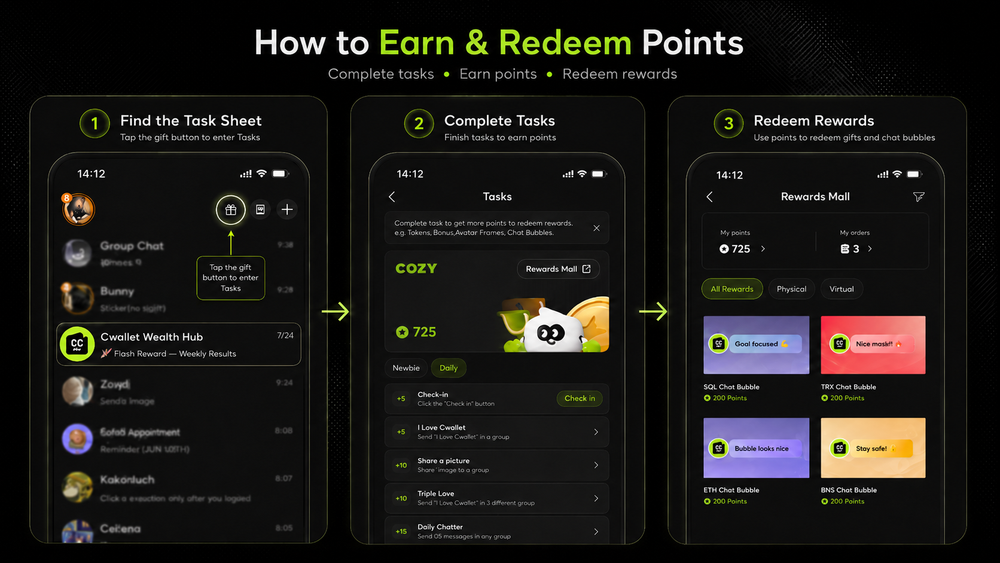
Start by installing a Web3 browser extension or mobile wallet such as MetaMask or Rainbow. Visit the Farcaster client app and select "Connect Wallet." This step links your cryptographic identity to the social layer without requiring personal email or phone verification.
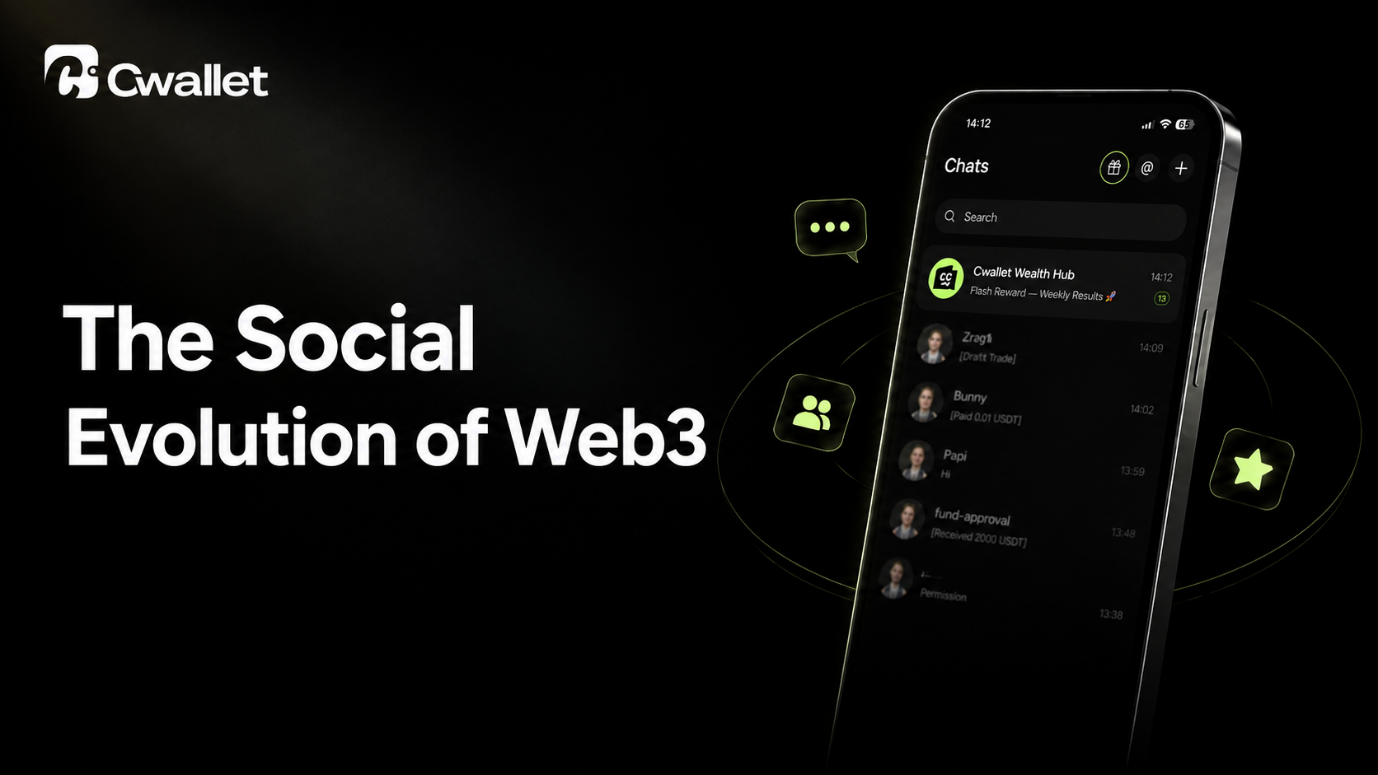
Once connected, choose a unique username (e.g., @yourname). You will need to sign a message with your wallet to prove ownership. This handle becomes your permanent identifier across the web3 social stack, independent of any single application interface.
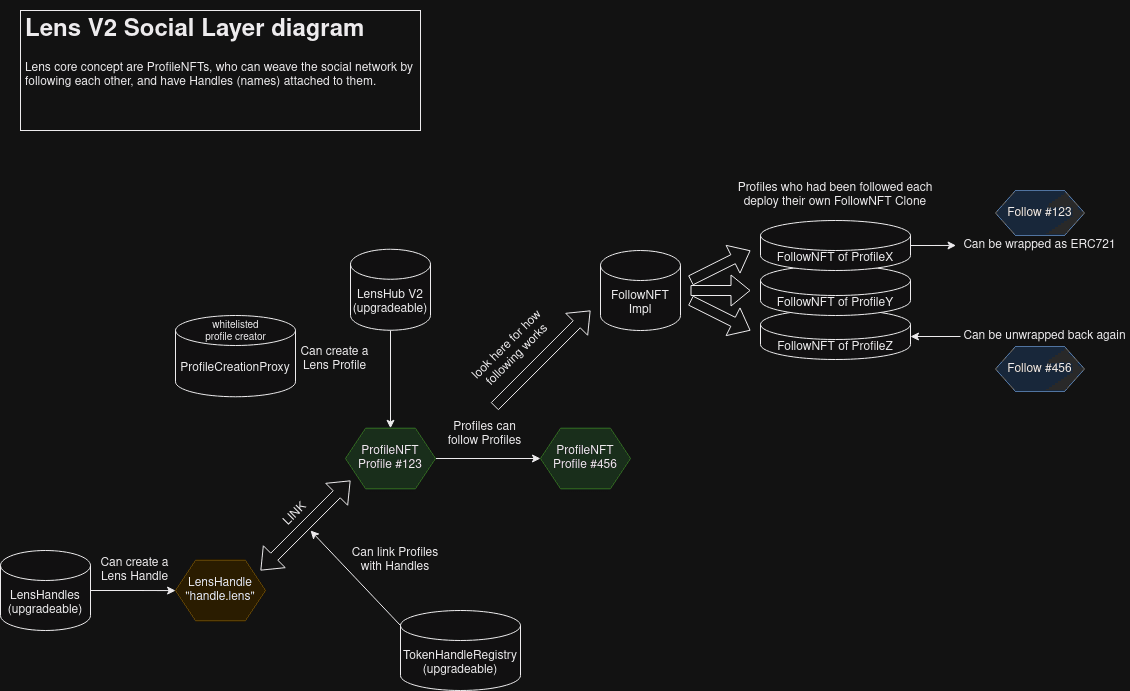
Add a display name, bio, and profile picture. These details are stored on-chain or via decentralized storage like IPFS. Unlike centralized platforms, you can update or delete this data at any time, ensuring your public persona remains under your control.
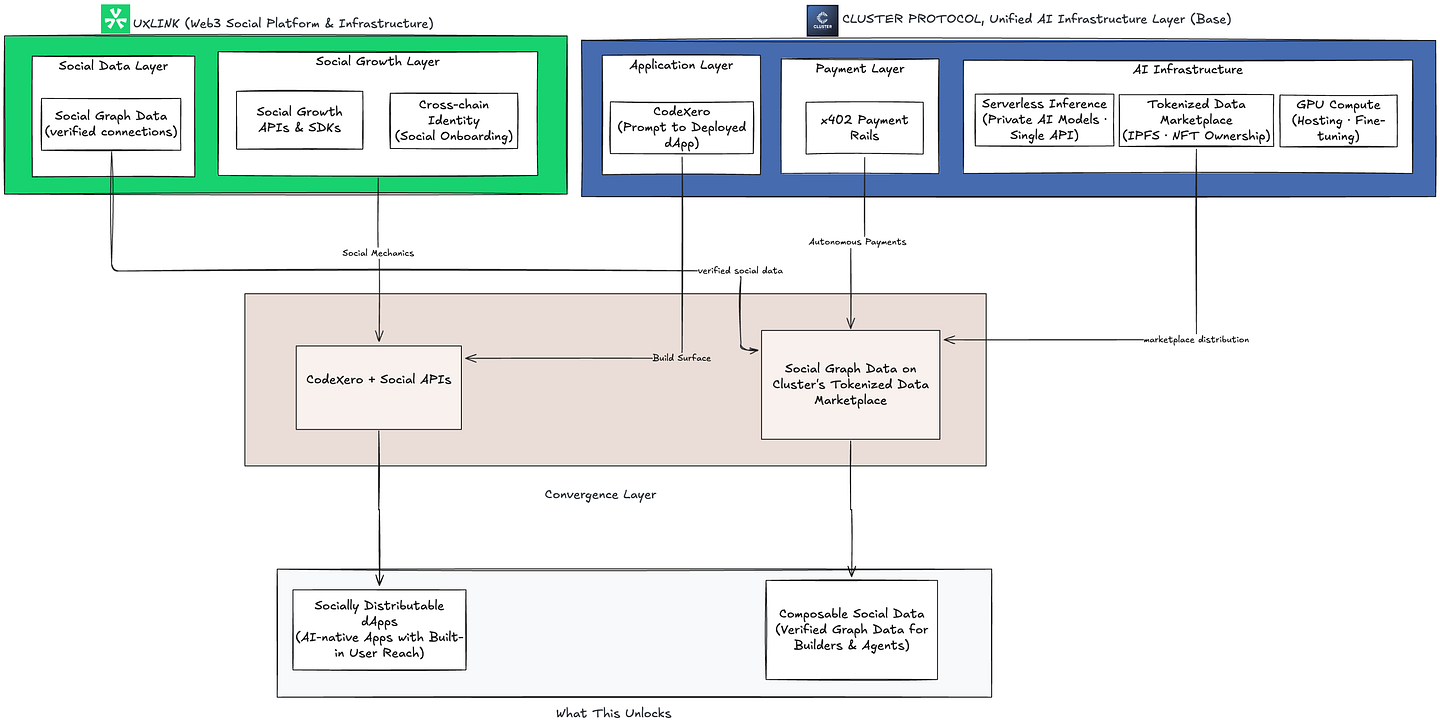
Complete on-chain verification to gain a "badge" or attestation. This step increases trust among potential sponsors and collaborators by confirming that your wallet and social identity are linked to a real, verifiable entity. It is a critical step for serious monetization.
By following these steps, you establish a portable identity that serves as the entry point for creator tools, token-gated communities, and direct monetization features native to web3 social platforms.
Choose the right monetization layer
Web3 social platforms offer several distinct ways to earn, but they differ significantly in setup complexity, audience friction, and revenue potential. Picking the wrong layer can waste time or alienate your community. The goal is to match your current audience size and technical comfort level with the right tool.
Below is a comparison of the most common monetization methods to help you decide where to start.
| Method | Setup Ease | Audience Friction | Revenue Potential |
|---|---|---|---|
| Direct Tips | Easy | Low | Variable |
| Subscriptions | Medium | Medium | Stable |
| Token Gating | Hard | High | High |
| NFT Access | Hard | High | High |
Direct tips are the lowest barrier to entry. Platforms like Farcaster or Lens allow followers to send crypto directly to your wallet. This requires no technical setup for the creator and feels natural to Web3-native users. However, revenue is unpredictable and relies on the goodwill of a small base.
Subscriptions offer more stability. Services like Guild or Collab.Land manage recurring payments for access to exclusive channels or content. This requires more setup—integrating smart contracts or using a middleware service—but converts casual fans into paying members. The friction is higher because users must hold a specific token or have completed a wallet action.
Token gating and NFTs represent the high-effort, high-reward tier. By requiring an NFT or specific token balance for access, you create a stronger community bond and potential asset appreciation. However, this introduces significant friction for new users who do not already own crypto. It is best reserved for creators with an established brand and a loyal base ready to invest.
Start with tips to validate interest, then layer in subscriptions as your community grows. Avoid complex token structures until you have a clear value proposition that justifies the technical overhead.
Launch your first paid content
Turning a profile into a revenue stream starts with a single, focused piece of content. You don’t need a full course or a complex subscription tier to begin. Instead, pick one high-value insight—like a niche market analysis, a technical tutorial, or an exclusive interview—and gate it behind a simple token or token-gated post.
This approach works because it lowers the barrier for both you and your audience. Followers can test the value of your paid content with a small commitment, and you get immediate feedback on what topics drive engagement. The technical execution is straightforward on most modern Web3 social stacks, which allow you to publish directly from your profile interface.
Follow these steps to publish your first monetized post.
Before you write, ensure your social profile is connected to a wallet that holds the native currency or tokens required by your chosen platform. Platforms like Farcaster or Lens Protocol operate on different networks, so verify you have enough gas or the specific social token needed to create content. If you are using a platform that supports subscription tiers, link a payment-enabled wallet to your profile settings.
Write your post in a standard text editor or markdown tool before uploading it to the blockchain. This prevents you from getting stuck on gas fees or network congestion while trying to finalize your thoughts. Keep the content concise and valuable; for a first paid post, aim for 500-1,000 words of actionable advice or a high-quality image carousel. Once finalized, copy the text to your clipboard.
Navigate to the "Create Post" or "Publish" button on your chosen Web3 social app. Look for the monetization toggle, which may be labeled as "Token-gated," "Paid," or "Subscription." Select the condition that fits your strategy: a one-time payment (e.g., 0.01 ETH) or a recurring subscription tier. If your platform allows it, set a low initial price to encourage early adoption and gather initial traction.

Paste your drafted content into the post editor and click "Publish." Your wallet will prompt you to sign the transaction. Review the gas fee and confirm. Once the transaction is confirmed, the post will appear on your profile with a "Paid" or "Token-gated" badge. Verify that only users who have met the payment criteria can view the content by testing with a secondary wallet or asking a peer to check access.
After publishing, share the post link in your free content channels to drive traffic. Since Web3 social is built on transparency, you can track views and payments directly on-chain. This data will help you refine your pricing and content strategy for future posts.
Avoid common Web3 social mistakes
The easiest mistake with Web3 Social is comparing options on the most visible detail while ignoring the day-to-day constraint. A choice can look strong on paper and still fail because it is too hard to maintain, too expensive to repeat, or awkward in the actual setting. Use the same checklist for every option: fit, cost, durability, timing, upkeep, and fallback plan. That keeps the comparison practical instead of drifting into preference alone.
The simplest way to use this section is to write down the real constraint first, compare each option against it, and choose the path that still works outside ideal conditions.
Check your analytics and iterate
Treating your onchain presence like a static billboard rarely works. The web3 social landscape moves fast, and what resonated last week might be stale by Friday. To keep your monetization strategy effective, you need to treat metrics as a feedback loop, not just a scoreboard.
Start by tracking three core numbers: unique holders of your token or NFT, engagement rates on your posts, and actual revenue generated. Most Web3 social platforms offer basic dashboards, but you should also use block explorers to verify wallet activity independently. This double-check ensures you aren’t misled by inflated social metrics that don’t translate to real economic value.
Focus on retention over vanity. A spike in followers means little if they don’t interact with your paid content or hold your assets. Look for patterns: does revenue drop when you post too frequently? Do holders churn after a specific type of content? Use these insights to adjust your posting schedule and content format.
-
Review weekly holder growth vs. revenue correlation
-
Audit top-performing posts for common themes
-
Check wallet activity for repeat buyers
-
Adjust content strategy based on retention data
Frequently asked questions about web3 social monetization
Web3 social monetization relies on turning social capital—your followers, reputation, and content—into direct revenue using onchain tools. Unlike traditional platforms where algorithms gatekeep income, these protocols let you keep your data and earn directly from your community.
These platforms are still evolving, so starting with small, low-risk experiments is the best way to learn. Focus on building genuine connections first, and the monetization opportunities will follow naturally as your community grows.
No comments yet. Be the first to share your thoughts!