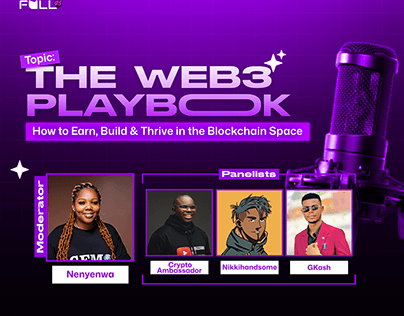
Web3 Social Strategy Budget
Building a Web3 social presence requires balancing cash outlays against the reality of platform volatility. Unlike traditional social media, where costs are predictable subscription fees, Web3 monetization relies on a mix of direct tool spending, gas fees, and community incentives. For most creators, the initial budget should focus on infrastructure and audience acquisition rather than vanity metrics.
Start with the essential tools that enable your participation in these networks. You need a reliable hardware wallet to manage your digital identity and assets securely. This is your foundational identity layer, replacing passwords with cryptographic keys. Pair this with a dedicated mobile device or laptop that supports your preferred chains, ensuring you can interact with dApps without compromising security.
| Item | Purpose | Estimated Cost |
|---|---|---|
| Hardware Wallet | Secure key management | $50–$150 |
| Domain Name (ENS/Unstoppable) | Human-readable identity | $10–$50/year |
| Content Creation Tools | Graphics/Video editing | $0–$30/month |
| Community Platform | Discord/Telegram hosting | Free–$50/month |
Avoid the temptation to spend heavily on paid promotions early on. Web3 communities value authenticity and utility over polished advertising. Instead, allocate your budget toward creating genuine value: hosting AMAs, sharing educational content, or building small, functional dApps. This approach builds trust, which is the primary currency in decentralized social graphs.


As an Amazon Associate, we may earn from qualifying purchases.
Remember that "gas fees"—the transaction costs on blockchains like Ethereum—can fluctuate wildly. During high network congestion, simple actions like minting a profile picture or joining a community can cost significantly more than usual. Consider using layer-2 solutions or alternative chains with lower fees to keep your operational budget sustainable. Always set aside a small reserve for these unpredictable costs, treating them as a variable expense rather than a fixed one.
Ultimately, your budget should reflect your commitment to the technology. If you are serious about building a long-term presence, invest in security first. A compromised wallet can wipe out your entire investment, regardless of your marketing strategy. By prioritizing secure infrastructure and organic community growth, you build a resilient foundation that can withstand market cycles.
Shortlist real options
Use this section to make the The Web3 Social Playbook decision easier to compare in real life, not just on paper. Start with the reader's actual constraint, then separate must-have requirements from details that are merely nice to have. A practical choice should survive normal use, maintenance, timing, and budget. If a recommendation only works in an ideal situation, call that out plainly and give the reader a fallback path.
| Factor | What to check | Why it matters |
|---|---|---|
| Fit | Match the option to the primary use case. | A good deal still fails if it does not fit the job. |
| Condition | Verify age, wear, and service history. | Hidden condition issues erase upfront savings. |
| Cost | Compare purchase price with likely upkeep. | The cheapest option is not always the lowest-cost option. |
Inspect the expensive parts
Use this section to make the The Web3 Social Playbook decision easier to compare in real life, not just on paper. Start with the reader's actual constraint, then separate must-have requirements from details that are merely nice to have. A practical choice should survive normal use, maintenance, timing, and budget. If a recommendation only works in an ideal situation, call that out plainly and give the reader a fallback path.
-
Verify the basicsConfirm the core specs, condition, and fit before comparing extras.
-
Price the downsideLook for the repair, maintenance, or replacement cost that would change the decision.
-
Compare alternativesCheck at least two comparable options before treating one listing as the benchmark.
Plan for ownership costs
Buying a Web3 social profile isn’t a one-time transaction; it’s an ongoing utility bill. While the initial purchase price might look attractive, the real expense lies in the recurring maintenance required to keep that digital identity active and valuable. If you stop paying, you don’t just lose access—you lose the social graph, reputation, and content you’ve built over time.
The most common surprise cost is the gas fee for every interaction. Unlike traditional social media, where posting is free, Web3 platforms require you to pay transaction fees on the underlying blockchain to update your profile, mint a post, or transfer a token. On high-traffic networks like Ethereum, these fees can spike unpredictably, turning a simple status update into a five-dollar expense. This friction changes how creators behave, often discouraging frequent engagement unless the platform subsidizes the costs.
Another hidden cost is the premium for "premium" usernames or scarce digital assets. Many Web3 social protocols treat short, memorable usernames as scarce resources. If you want a clean handle, you may need to buy it from a secondary marketplace at a significant markup. This creates a tiered system where established names cost thousands, while new users are forced into longer, less memorable strings that can hurt brand recognition.
When does a cheap buy stop being cheap? It happens when the cost of holding exceeds the value of the attention the profile generates. If you own a profile that costs $50 a year in gas and subscription fees but only drives $10 a month in engagement, you are bleeding money. Always calculate the total cost of ownership (TCO) before buying, including gas buffers, name registration fees, and any required token staking.


As an Amazon Associate, we may earn from qualifying purchases.
Web3 social strategy: what to check next
Navigating decentralized platforms requires understanding how ownership changes the value equation. Below are the most common practical questions regarding Web3 social infrastructure and monetization.
No comments yet. Be the first to share your thoughts!