Web3 social limits to account for
Web3 social refers to decentralized social networking protocols and platforms where users own their social graphs, content, and reputation [[src-serp-2]]. Unlike traditional social media, where data is siloed and monetized by the platform, Web3 social shifts ownership to the user. This structural difference creates specific constraints that impact monetization strategies.
The primary constraint is fragmentation. While centralized platforms offer a unified audience, Web3 social is spread across multiple chains and protocols. A creator must navigate different wallet standards, token incentives, and community norms on each platform. This fragmentation increases the friction for user acquisition and retention, requiring creators to build presence in multiple places simultaneously.
Another constraint is the complexity of onchain infrastructure. Building a scalable monetization strategy requires integrating smart contracts, tokenomics, and decentralized storage. For most creators, this technical barrier is significant. It demands either specialized development resources or reliance on third-party tools that may introduce their own fees and limitations. The lack of standardized monetization models means each project must innovate or adapt existing frameworks, leading to inconsistent user experiences.
Finally, regulatory uncertainty remains a persistent constraint. As Web3 social platforms handle financial transactions and user data on public ledgers, they face evolving legal landscapes. Creators must consider compliance risks associated with token distributions and data privacy laws in different jurisdictions. This uncertainty can limit the types of monetization mechanisms that are viable or safe to implement at scale.
Web3 social choices that change the plan
The Web3 Social works best as a clear sequence: define the constraint, compare the realistic options, test the tradeoff, and choose the path with the fewest hidden costs. That order keeps the advice usable instead of decorative. After each step, pause long enough to check whether the recommendation still fits the reader's actual situation. If it depends on perfect timing, unusual access, or a best-case budget, include a simpler fallback.
| Factor | What to check | Why it matters |
|---|---|---|
| Fit | Match the option to the primary use case. | A good deal still fails if it does not fit the job. |
| Condition | Verify age, wear, and service history. | Hidden condition issues erase upfront savings. |
| Cost | Compare purchase price with likely upkeep. | The cheapest option is not always the lowest-cost option. |
How to Pick a Web3 Social Platform for Monetization
Choosing a Web3 social network isn't just about picking a shiny interface; it is about selecting the right infrastructure for your revenue model. Unlike Web2, where platforms dictate the rules, Web3 social protocols give you ownership of your social graph and content. This shift allows for direct monetization through token incentives, NFT-based access, and decentralized advertising revenue shares.
To build a scalable strategy, evaluate platforms against these four critical pillars. Each pillar addresses a specific bottleneck in Web3 user acquisition and retention.
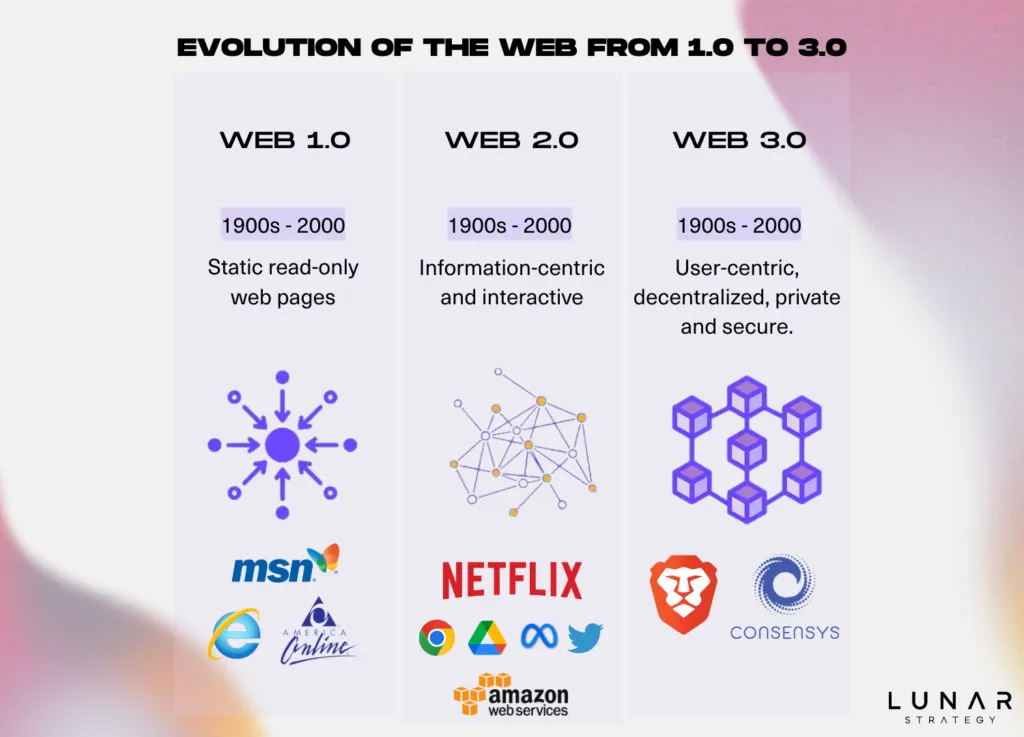
A platform's native token is your primary payout mechanism. If the token lacks deep liquidity on major exchanges, your earnings will be difficult to cash out without significant slippage. Check the 24-hour trading volume and market cap relative to the platform's user base. Low liquidity often signals a high risk of price manipulation, which can erase your rewards overnight. Prioritize platforms with established liquidity pools or direct fiat on-ramps.
Web3 social platforms often struggle with onboarding friction due to wallet setup and gas fees. Look for platforms that have successfully abstracted these complexities, such as account abstraction or sponsored transactions. High user acquisition costs mean you will spend more time chasing referrals than creating content. Platforms with viral loops built into the protocol—where sharing content naturally rewards both the creator and the referrer—offer the most scalable growth paths.
True ownership means your content is stored on decentralized storage (like IPFS or Arweave) and your social graph is portable. If a platform shuts down or changes its monetization policy, you should be able to take your followers and content elsewhere. Avoid platforms that lock your content into a centralized database. This portability is your insurance policy against platform risk and ensures your audience remains yours, regardless of the platform's fate.
Governance determines who controls the platform's future. In healthy Web3 social networks, token holders vote on protocol upgrades, treasury spending, and monetization policies. Platforms with concentrated governance in the hands of a few founders or venture capitalists often prioritize investor returns over creator earnings. Look for platforms with active, transparent governance forums where community proposals are regularly debated and implemented.


As an Amazon Associate, we may earn from qualifying purchases.
By applying this framework, you move beyond speculation and build a monetization strategy grounded in infrastructure resilience. The goal is to select platforms where your efforts compound over time, rather than platforms where you are constantly rebuilding from scratch. Focus on liquidity, ownership, and community control to ensure your Web3 social presence is both sustainable and profitable.
Spot the weak options
Many Web3 social platforms promise ownership but deliver limited utility. When evaluating monetization strategies, look for concrete onchain mechanics rather than vague promises of decentralization. A protocol that claims to give you your data but restricts how you can sell it is no different from a traditional walled garden.
Check the tokenomics carefully. If the platform requires you to stake tokens to access basic features, it often creates a barrier to entry that stifles growth. True utility comes from features like direct tipping, content gating, or subscription models that work seamlessly across different apps. Avoid platforms where the token has no clear use case beyond speculation.
Beware of platforms that rely on centralized servers for content delivery. This defeats the purpose of using onchain infrastructure. A truly scalable solution should use decentralized storage like IPFS or Arweave, ensuring your content remains accessible even if the platform’s backend fails. Always verify the underlying technology before committing time and resources.
Finally, ignore projects with anonymous teams or unaudited smart contracts. The risk of rug pulls or exploits is high in this space. Stick to protocols with transparent development histories and third-party security audits. Your monetization strategy depends on the stability of the platform you build on, so due diligence is non-negotiable.
Web3 social: what to check next
Before committing to a monetization strategy, it helps to separate the technical reality from the hype. Here are the most common practical questions about building on decentralized social infrastructure.
Understanding these fundamentals clarifies why the infrastructure matters. If you cannot answer these basics, the technical layer for your monetization strategy will likely lack the user adoption needed to scale.
No comments yet. Be the first to share your thoughts!