The shift from platform graphs to user-owned identity
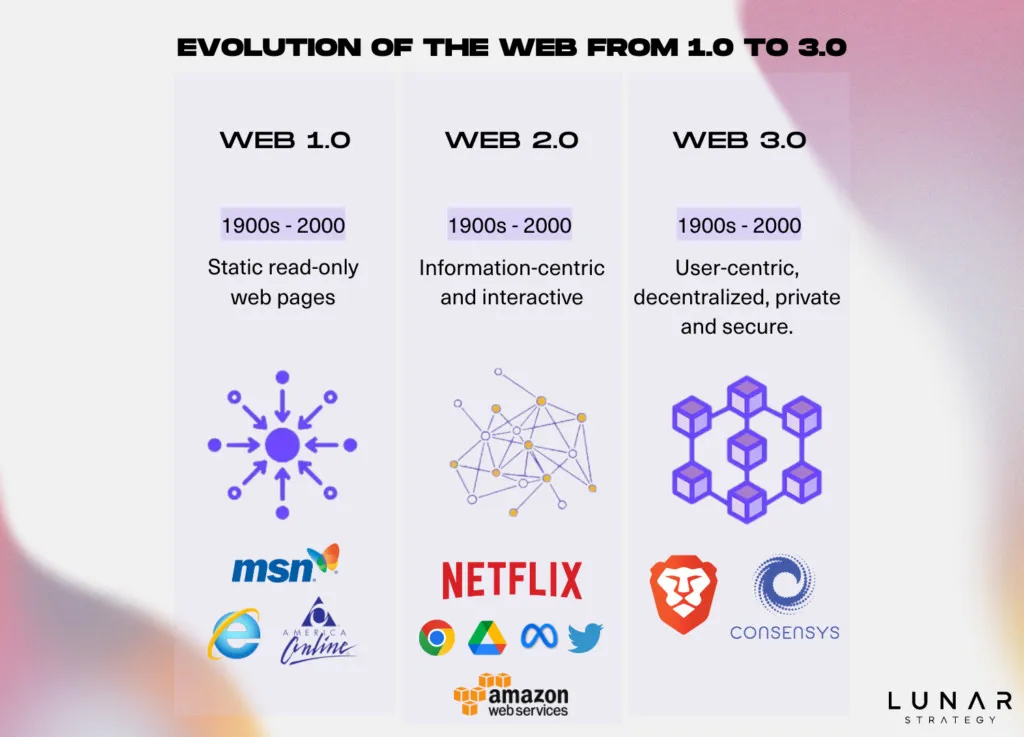
Web3 social represents a structural break from the centralized models that have dominated the internet for two decades. In traditional platforms, your social graph—the connections you build, the content you create, and the reputation you earn—is owned by the company hosting the service. If the platform changes its algorithm, bans your account, or shuts down, your audience vanishes with it. This centralization creates a fundamental risk for creators and businesses trying to monetize attention: you are building on rented land.
Web3 social protocols solve this by decoupling identity from the application. Through onchain identity, your social graph becomes a portable asset that you own. Instead of storing your followers in a proprietary database, your connections and reputation are anchored to your wallet or decentralized identifier (DID). This means you can take your audience with you across different apps. If one platform fails or becomes too restrictive, you can move to another without losing the community you built.
This shift is not just about data privacy; it is about economic sovereignty. When you own your graph, you control how your attention is monetized. Rather than platforms extracting value from your engagement through ads, the economic incentives can be distributed directly to the users who create the network effects. This alignment of ownership and reward is what makes web3 social a viable alternative for serious monetization strategies.
By moving the social graph to the blockchain, these platforms ensure that your digital presence is resistant to censorship and platform-specific lock-in. This portability is the core value proposition for anyone looking to build a long-term, monetizable audience in the decentralized web.
The four layers of the web3 social stack
Web3 social isn't a single app; it's a stack of protocols working together. Understanding these layers helps you see where value is created and where monetization opportunities exist. The architecture breaks down into hosting, primitives, profile, and applications.
Hosting
Hosting provides the infrastructure where data lives. Instead of a central server like Meta's, data is stored on decentralized networks like IPFS or Arweave. This ensures that content persists even if a specific node goes offline, giving creators long-term ownership of their posts and media.
Social Primitives
Primitives are the communication rules that allow users to interact. Think of these as the "likes," "follows," and "shares" of web3, but built on open protocols. Farcaster, for example, is a primitive that allows clients to build their own interfaces. This layer handles the real-time flow of data without a central gatekeeper.
Profile
The profile layer bridges the gap between your wallet address and your social identity. Services like Lens or Farcaster allow you to create a human-readable profile that moves with you across apps. This is crucial for monetization: your reputation and followers are tied to your identity, not a specific platform, allowing you to take your audience with you.
Applications
Applications are the user-facing interfaces you use to post, comment, and browse. Because the underlying layers are open, developers can build new clients that access the same data. This competition drives innovation and gives users better tools to monetize their attention, whether through subscriptions, tips, or ad revenue.



As an Amazon Associate, we may earn from qualifying purchases.
Leading platforms for onchain growth
The Web3 social landscape is no longer a single monolith. It has fragmented into specialized protocols, each optimizing for a different type of creator economy. Choosing the right platform depends less on hype and more on whether you are building a personal brand, managing a paid community, or distributing long-form analysis.
Below is a comparison of the leading platforms, ranked by their structural fit for specific growth strategies.
Farcaster has emerged as the de facto standard for onchain microblogging. Unlike traditional Twitter clones, Farcaster separates the social graph from the application layer. Your identity lives on the blockchain, but you can access it through any client. This modularity prevents vendor lock-in and ensures that your followers are an asset you carry with you, not a metric trapped in a silo.
Lens Protocol offers a more flexible, modular approach. It is ideal for creators who want to build custom experiences or integrate their content into other dApps. The protocol uses NFTs as profiles, allowing for rich, onchain metadata. If you are building a product that relies on social data, Lens provides the composability that Farcaster deliberately abstracts away.
Friend.tech represents the speculative edge of Web3 social. It tokenized access to creators, allowing users to buy and sell keys to private chat rooms. While the initial hype cycle has cooled, it demonstrated a powerful mechanism for monetizing attention through direct financial incentives. It remains a relevant model for creators with high-demand, niche audiences.
Mirror is the premier platform for long-form writing. It integrates publishing with onchain tipping, subscriptions, and DAO governance tools. For analysts, journalists, or developers who need to publish detailed technical breakdowns, Mirror provides the infrastructure to monetize depth rather than just engagement.
Selecting a platform is a structural decision. Farcaster suits fast-paced networking. Lens suits technical builders. Mirror suits deep-dive analysis. Friend.tech suits speculative engagement. Align your content strategy with the platform's native mechanics.
Monetizing attention with tokens and tips
The transition from passive engagement to active revenue is the core promise of Web3 social. Instead of relying on ad-revenue sharing models that dilute creator income, onchain identity allows you to capture value directly through tokenized interactions. This section breaks down the three primary mechanisms: direct tipping, token-gated access, and protocol-level incentives.
Direct tipping and micro-transactions
Tipping remains the most immediate way to monetize attention. Platforms like Farcaster and Lens Protocol integrate native token transfers, allowing followers to send stablecoins or governance tokens directly to creators without intermediary fees. This method functions like a digital tip jar, but with the added benefit of onchain provenance. Every transaction is recorded, creating a transparent history of community support that can be used to verify reputation or unlock future perks.
Token-gated content and membership
For deeper monetization, token-gating restricts access to specific content or communities based on wallet holdings. By requiring users to hold a certain amount of a creator’s token or a specific NFT, you create a loyal, invested audience. This model shifts the dynamic from passive consumption to active ownership. Holders are not just readers; they are stakeholders with a vested interest in the creator’s success. Popular implementations include exclusive Discord channels, early access to whitepapers, or private DAO voting rights.
Protocol incentives and airdrops
Beyond direct payments, protocol incentives reward early adoption and consistent engagement. Many Web3 social platforms distribute governance tokens to active users as airdrops or loyalty rewards. These tokens often carry real monetary value and voting power within the protocol. For creators, this means that consistent posting and community building can yield significant returns beyond immediate tips. However, this space is volatile, and token values fluctuate with market conditions.
Using AI Agents to Scale Your Presence
Autonomous agents are shifting from experimental tools to essential infrastructure for Web3 creators. By delegating repetitive tasks to AI, you can maintain a consistent presence across decentralized protocols without burning out. Think of these agents as a tireless community manager that never sleeps, handling the noise so you can focus on high-value strategy.
The most effective applications fall into two categories: content orchestration and community engagement. For content, agents can draft posts, schedule releases, and even generate visual assets based on your brand guidelines. In community management, they monitor discussions, flag relevant conversations, and provide initial responses to common questions.
However, human oversight remains non-negotiable. AI agents lack the nuance to navigate complex social dynamics or understand subtle community sentiment. Use them to amplify your voice, not replace it. Always review automated outputs before they go live to ensure they align with your brand’s tone and values.
- Audit agent responses weekly for tone and accuracy.
- Set clear boundaries on what tasks agents can handle autonomously.
- Keep a human-in-the-loop for sensitive community interactions.
- Monitor engagement metrics to refine agent prompts and strategies.
Common questions about web3 social
Web3 social platforms are decentralized applications where you own your data, social graph, and reputation rather than renting them from a central server. This shift allows for direct monetization of attention through token incentives, creator funds, and onchain identity verification. However, the barrier to entry remains higher than traditional social media due to the need for digital wallets and an understanding of blockchain mechanics.
For beginners, the most practical approach is to start with user-friendly, non-custodial wallets like MetaMask or Rabby and familiarize yourself with a single ecosystem, such as Ethereum or Solana, before diversifying. Earning potential comes from three main streams: participating in platform-specific airdrops or loyalty programs, creating content that earns tips or subscriptions via onchain payments, and leveraging your reputation score to access exclusive communities or lending protocols. While the technology offers superior privacy and resistance to censorship, it also introduces risks like smart contract vulnerabilities and the complexity of managing private keys, requiring a cautious, security-first mindset.
No comments yet. Be the first to share your thoughts!