What defines the web3 social stack
Web3 social is not a single app; it is a layered architecture built on open protocols. Unlike traditional social media, where platforms own your data and feed algorithm, this infrastructure gives users ownership of their social graph, content, and reputation. The stack separates these functions into four distinct layers: hosting, social primitives, profiles, and applications. This separation allows developers to build specialized tools without rebuilding the underlying network.
The foundation is hosting, which handles data storage and distribution. Instead of centralized servers, this layer often uses decentralized storage solutions like IPFS or Arweave, ensuring content persists even if a specific node goes offline. Above that, social primitives provide the core logic for interactions—likes, follows, and posts—executed via smart contracts that enforce rules transparently.
The profile layer acts as the user’s identity anchor, typically tied to a blockchain wallet. This creates a portable identity that works across any app built on the stack. Finally, the application layer is where users actually interact. Apps like Farcaster or Lens Protocol leverage the lower layers to create user experiences similar to Twitter or Instagram, but with user-owned data.
This modular design means that if one application fails, your data and connections remain intact on the protocols below. It shifts the power dynamic from platform-dependent to user-controlled, creating a more resilient social infrastructure.
Top platforms reshaping digital connection
The Web3 social landscape is no longer just about theory; it is about platforms that are actively handling traffic and retaining users. While there are dozens of protocols in development, a handful of dApps have established themselves as the dominant infrastructure for decentralized social interaction. These platforms distinguish themselves through specific utility, token incentive structures, and the quality of their user experience.
Understanding which platform fits your needs requires looking beyond the hype. Some networks prioritize content ownership and creator monetization, while others focus on social graph portability or developer flexibility. The following comparison highlights the key players currently reshaping digital connection, based on their active user bases, primary use cases, and incentive models.
| Platform | Primary Focus | Token/Incentive | Best For |
|---|---|---|---|
| Farcaster | Decentralized social feed | Frames & Points ecosystem | Developers and early adopters |
| Lens Protocol | Composable social graph | Lens Points & NFTs | Building custom social apps |
| CyberConnect | Social graph infrastructure | CyberPoints | Web3-native communities |
| Friend.tech | Tokenized social access | Bridges (trading fees) | Speculative social trading |
| Mirror | On-chain publishing | NFT editions & tips | Writers and creators |
Monetizing your onchain audience
Web3 social platforms operate on a fundamentally different economic model than traditional social media. Instead of surrendering your data and content rights to a central corporation, you retain ownership of your social graph and reputation. This shift enables direct monetization through token incentives, non-fungible tokens (NFTs), and decentralized support mechanisms.
Token Incentives and Social Tokens
One of the most direct ways to generate revenue is through token incentives. Creators can launch their own social tokens, which serve as a membership pass or a stake in their community. When followers purchase these tokens, they are not just buying access; they are aligning their financial interests with the creator's success. This creates a loyal, invested audience rather than a passive one.
For example, tokens like $FIDU or $LENS allow holders to vote on content direction, access exclusive channels, or receive a share of platform revenue. This "share-to-earn" model transforms followers into stakeholders, ensuring that the creator's growth directly benefits the community.
NFTs as Digital Assets
NFTs provide another layer of monetization by turning content into tradable digital assets. Unlike traditional media, where a purchase is final, NFTs allow creators to earn royalties on secondary sales. Every time a piece of art, a tweet, or a video is resold, the original creator receives a percentage.
This model is particularly effective for digital artists and writers. By minting their work on-chain, they establish verifiable scarcity and provenance. The transparency of the blockchain ensures that royalties are automatically enforced by smart contracts, removing the need for intermediaries.
Direct Support Mechanisms
Beyond tokens and NFTs, direct support mechanisms like crypto donations and subscription services offer steady income. Platforms integrated with Web3 wallets allow fans to send stablecoins or native tokens directly to creators without the high fees associated with traditional payment processors.
Some platforms also offer decentralized subscription models where content is gated by token holdings or NFT ownership. This approach reduces churn and ensures that only committed supporters have access to premium content, creating a more sustainable revenue stream for creators.
Strategy for sustainable web3 growth
Building a loyal following in a decentralized environment requires shifting focus from algorithmic reach to community ownership. Unlike traditional social media, where platforms control distribution, Web3 social relies on token-gated access, on-chain reputation, and shared economic incentives. This section outlines a practical framework for growing an audience that stays engaged because they have a stake in the network’s success.
Before launching, determine what value members receive for participation. This could be early access to protocol features, revenue sharing from content, or governance rights. Without a clear utility, retention drops quickly. Use tools like Gitcoin Grants or Snapshot to test interest and structure reward mechanisms before full deployment.
Encourage users to connect their wallets and build verifiable on-chain history. Platforms like Gitcoin Passport or Lens Protocol allow you to verify unique human users and reward consistent behavior. This reduces spam and creates a trusted social graph that grows more valuable over time as members interact.
Use NFTs or tokens to gate exclusive content, Discord channels, or AMAs. This ensures that your most engaged followers are also your most invested. Tools like Collab.Land or Guild.xyz automate this process, allowing you to manage access based on wallet holdings without manual oversight.
Invite your community to vote on key decisions, such as content direction or treasury spending. This transforms passive followers into active stakeholders. Use Snapshot for gasless voting to lower the barrier to entry. When users feel heard, they become advocates who bring in others through genuine network effects.
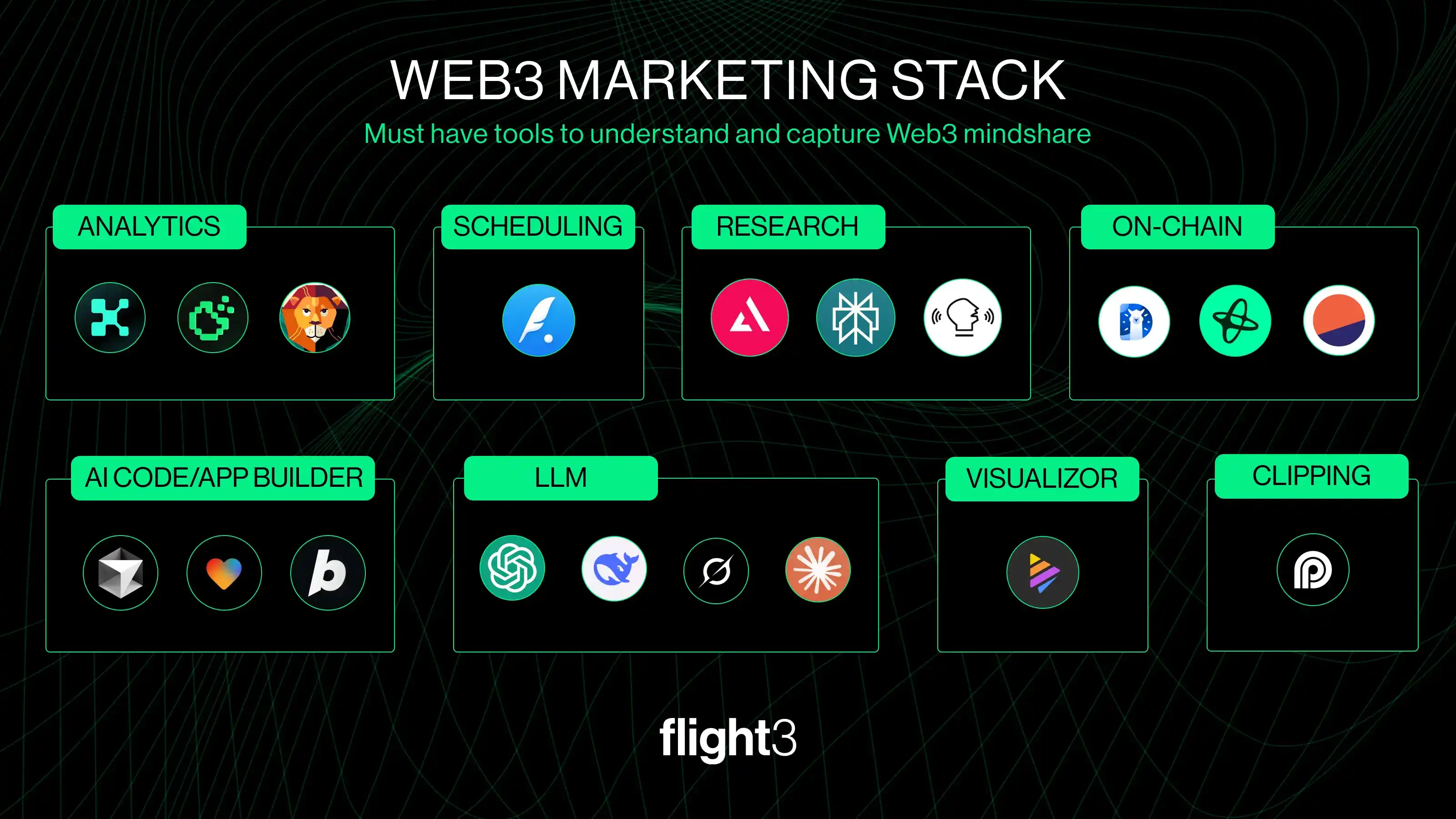
Track metrics that matter in Web3: active wallets, token velocity, and governance participation. Unlike vanity metrics like likes, these numbers reflect real economic and social activity. Use QuickNode or Dune Analytics to monitor these signals and adjust your strategy based on actual user behavior rather than algorithmic guesses.
By focusing on these steps, you build a sustainable growth loop where community value drives retention. This approach aligns with the core principles of Web3 social: user ownership and decentralized coordination.
Frequently asked questions about web3 social
What is Web3 social?
Web3 social refers to decentralized social networking protocols and platforms where users own their social graphs, content, and reputation. Unlike traditional platforms that retain rights to your data, Web3 social gives you real control over your digital presence, allowing you to monetize and move your identity across different apps seamlessly.
How to learn Web3 as a beginner?
Start with structured, free resources like Cyfrin Updraft or CryptoZombies to understand the basics of blockchain interaction. For hands-on practice, explore Solidity by Example or Speed Run Ethereum. These resources provide the foundational knowledge needed to navigate Web3 social protocols effectively.
Can I monetize my activity on Web3 social platforms?
Yes. Web3 social platforms allow creators to monetize directly through tokens, NFTs, or subscription models. Since users own their data and reputation, they can capture value from their engagement without relying on third-party ad networks.
Is Web3 social safe from censorship?
Most Web3 social platforms are designed to be censorship-resistant. Because data is stored on decentralized networks, no single entity can easily remove your content or ban your account, ensuring greater freedom of expression.
What is the difference between Web2 and Web3 social?
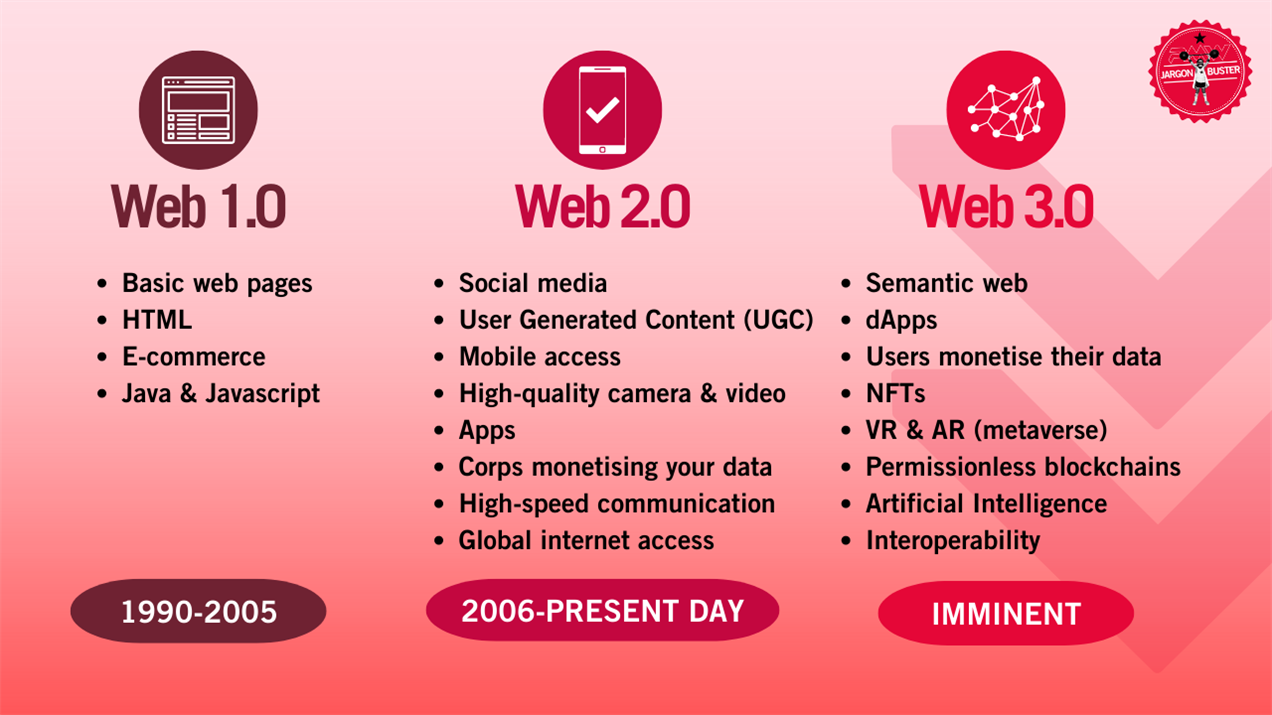
The main difference is ownership. Web2 platforms act as intermediaries, storing your data and controlling your access. Web3 social uses blockchain technology to give users ownership of their data, social graph, and content, enabling true digital sovereignty.
No comments yet. Be the first to share your thoughts!