Web3 social infrastructure layers
To understand where your data lives and how ownership works in Web3 social, it helps to look at the technical stack. Think of the infrastructure as a four-layer house. If you build on rented land, the landlord can evict you. If you build on your own land with standard plumbing, you control the house and can move it anywhere.
The stack is generally divided into four distinct layers: hosting, social primitives, profile, and applications. Each layer handles a specific part of the social experience, from storing your posts to defining who you are.
Hosting and Storage
This is the foundation. In traditional social media, platforms store your data on centralized servers. In Web3, hosting is often decentralized. Projects use storage networks like IPFS (InterPlanetary File System) or Arweave to store your posts and media. This means your content isn't locked on a single company's server. If one node goes down, your data remains available across the network. This layer ensures that your content is permanent and resistant to censorship.
Social Primitives
Primitives are the building blocks of social interaction. They handle the core logic: who can follow whom, who can post, and how messages are verified. Instead of a central database managing these relationships, primitives use smart contracts or decentralized state systems. Examples include Lens Protocol and Farcaster. These primitives define the rules of engagement. They ensure that your social graph—the list of people you follow and who follows you—is portable. You own your connections, not the app.
Profile
Your profile is your identity across the stack. In Web2, your profile is tied to a specific platform. In Web3, your profile is often a decentralized identifier (DID) or a blockchain wallet address. This identity is not bound to a single app. You can use the same Web3 profile to log into different social applications. This layer gives you control over your reputation and identity, allowing you to carry your social capital from one platform to another.
Applications
The top layer is what you actually see and interact with. These are the user interfaces (apps) that render your profile, posts, and feeds. Because the layers below are decentralized, you can switch apps without losing your data. You might start on Farcaster, then move to a different client that reads from the same protocol. The app is just a window into your decentralized social graph. This flexibility is the core promise of Web3 social infrastructure.
Compare the leading Web3 social platforms
Choosing the right Web3 social platform depends on how much control you want over your audience and how you plan to monetize. Unlike traditional social media, where algorithms dictate visibility, these platforms give creators direct ownership of their content and community. The trade-off is often a steeper learning curve for onboarding, but the long-term value lies in owning your digital identity.
Below is a comparison of three leading protocols—Farcaster, Lens Protocol, and CyberConnect—focusing on data ownership, monetization mechanics, and ease of use. This breakdown helps you decide which infrastructure best fits your content strategy.
| Platform | Data Ownership | Monetization | Ease of Onboarding |
|---|---|---|---|
| Farcaster | Full (via ENS) | Reactions (tips), Frames, Casts | High (Warpcast client) |
| Lens Protocol | Full (on-chain profiles) | Subscriptions, NFTs, Actions | Medium (multiple clients) |
| CyberConnect | Full (on-chain connections) | NFTs, Token-gated content | Medium (CyberConnect Hub) |
Farcaster: The Current Leader
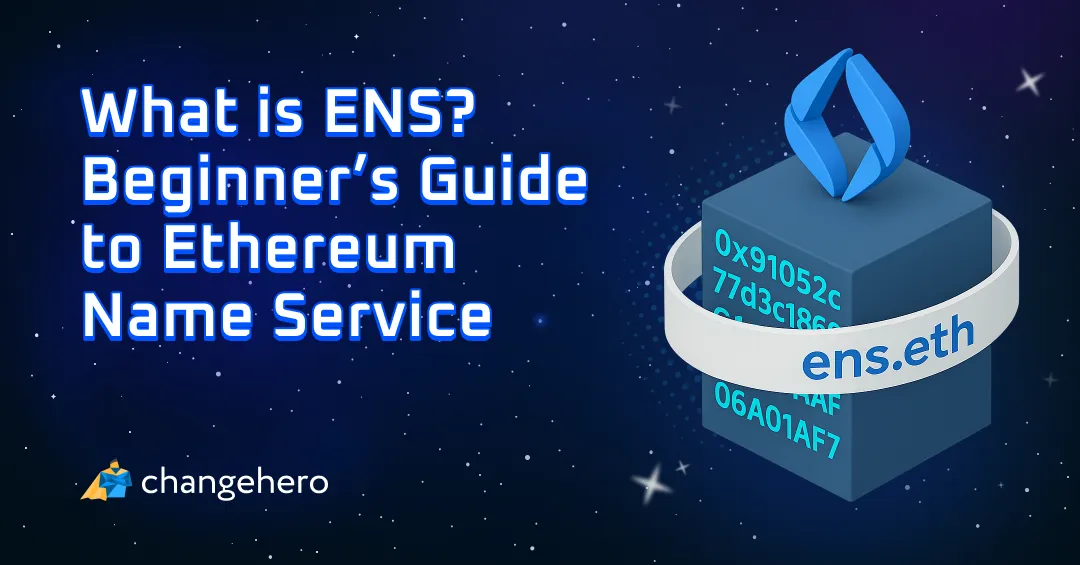
Farcaster has become the most active Web3 social network, largely due to its client-based architecture. Users connect their wallet once, and their identity is tied to an Ethereum Name Service (ENS) name. This makes onboarding surprisingly smooth; most users interact through the Warpcast app, which feels like a modern social feed. For creators, monetization is built directly into the protocol through "Frames," which allow interactive apps within posts, and direct tipping via reactions. The network effect here is strong, making it the best starting point for most new Web3 creators.
Lens Protocol: The Developer's Choice
Lens Protocol is a decentralized social graph built on Polygon. It offers robust data ownership, allowing creators to move their followers between any client built on the protocol. Monetization is flexible, supporting subscriptions, NFT-based access, and custom "Actions" that let users interact with posts in unique ways. However, the experience can be fragmented because there is no single dominant app. Creators need to choose a client (like Lenster or Phaver) and manage their presence across potentially multiple interfaces. This flexibility is powerful for developers but can be confusing for casual users.
CyberConnect: The Infrastructure Layer
CyberConnect focuses on being the underlying infrastructure for social graphs. It allows developers to build custom social applications that leverage its on-chain connection data. For creators, this means their followers are portable across different apps that use CyberConnect. Monetization often revolves around NFTs and token-gated content. While less polished as a standalone consumer app compared to Farcaster, it offers significant utility for creators building niche communities or integrating social features into other Web3 products.
As an Amazon Associate, we may earn from qualifying purchases.
Direct monetization mechanisms
Web3 social platforms shift the revenue model from ad-intermediated engagement to direct creator-to-fan economics. Instead of surrendering rights to a centralized company, users own their content and data, allowing for new monetization structures that were previously impossible on traditional platforms [[src-serp-2]]. This shift enables creators to capture value directly through tokens, subscriptions, and digital assets.
Token-gated content and memberships
Token-gating restricts access to specific content, communities, or features based on wallet holdings. Creators can issue a unique token or NFT that serves as a key to exclusive channels, early access to projects, or private Discord servers. This mechanism creates a recurring revenue stream similar to Patreon but with the added benefit of secondary market liquidity for the access token itself. If the community grows, the token value may rise, rewarding early supporters.
NFTs as digital collectibles and utility keys
Non-fungible tokens (NFTs) have evolved beyond static profile pictures into functional tools for monetization. Creators can mint limited-edition digital collectibles that offer utility, such as voting rights in community governance or entry to physical events. Unlike traditional merchandise, these assets are verifiable on-chain and can be resold, with creators often earning royalties on secondary sales. This turns fans into stakeholders who have a financial interest in the creator's success.
Subscription models on-chain
On-chain subscriptions allow users to pay for recurring access using cryptocurrencies or stablecoins. Smart contracts automate the enforcement of access periods, ensuring that only paying members can view specific content. This reduces friction and chargeback risks associated with traditional payment processors. Platforms like Farcaster and Lens Protocol facilitate these interactions by integrating wallet-based identity with content distribution.
Revenue streams and sustainability
The combination of these tools creates a diversified income portfolio for creators. Rather than relying on a single platform's algorithm changes, creators can build a loyal community that pays directly for value. This model aligns incentives between creators and audiences, fostering a more sustainable ecosystem for long-term content production.
Build Your Web3 Social Strategy
A successful Web3 social strategy requires more than just setting up a wallet; it demands a clear plan for community engagement and technical execution. Unlike traditional platforms, Web3 gives you ownership of your audience and content, but it also places the burden of infrastructure on your shoulders. To navigate this effectively, you need to move through a structured sequence of setup, protocol selection, and launch.
Start by selecting a protocol that aligns with your content type. Lens Protocol is ideal for text and media-heavy creators, while Farcaster excels in real-time, chat-like interactions. Research each platform’s user base and technical requirements to ensure they match your audience’s habits. This decision sets the foundation for your entire Web3 social presence.
Create a distinct on-chain identity that serves as your digital passport. This involves linking your wallet to your chosen protocol and setting up a consistent profile across relevant platforms. Ensure your username, bio, and avatar are optimized for discoverability. A strong identity helps build trust and makes it easier for followers to find and engage with your content.
Define what you will post and how often. Web3 audiences value authenticity and direct engagement, so plan content that encourages interaction, such as polls, threads, or exclusive updates. Consider how you will monetize this content early on, whether through tips, subscriptions, or NFTs. Consistency is key to building a loyal following in the decentralized space.
Begin posting and actively participate in the community. Reply to comments, collaborate with other creators, and share your posts across multiple Web3 channels. Engagement is the currency of Web3 social; the more you interact, the more visible you become. Monitor your analytics to understand what resonates and adjust your strategy accordingly.
No comments yet. Be the first to share your thoughts!