Defining a practical web3 social strategy
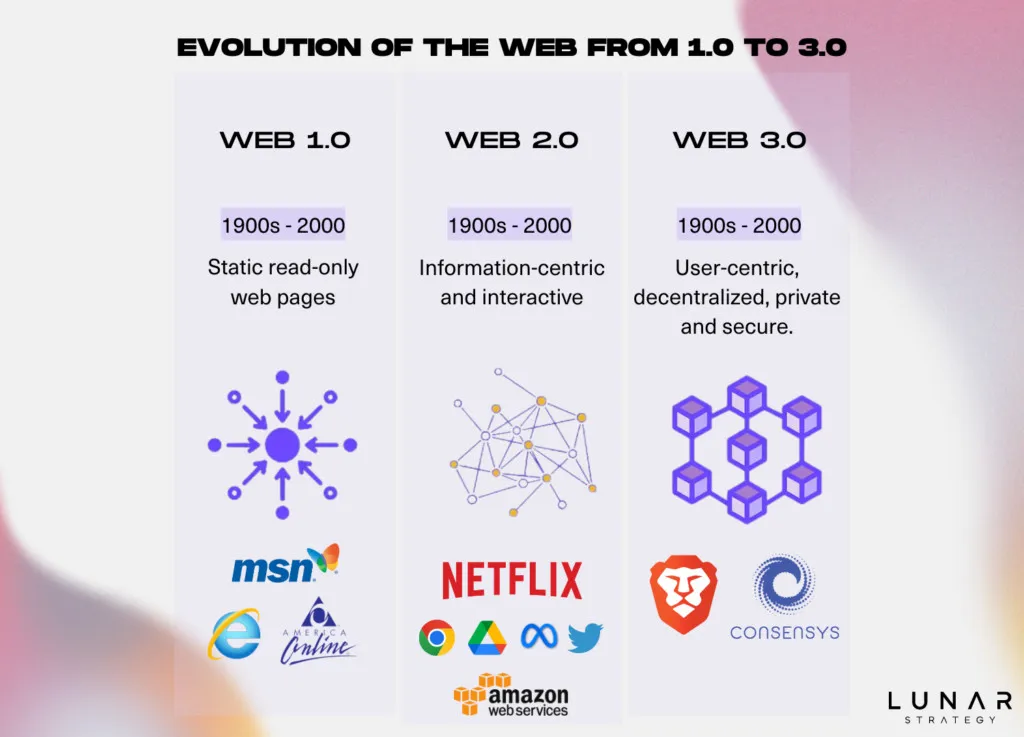
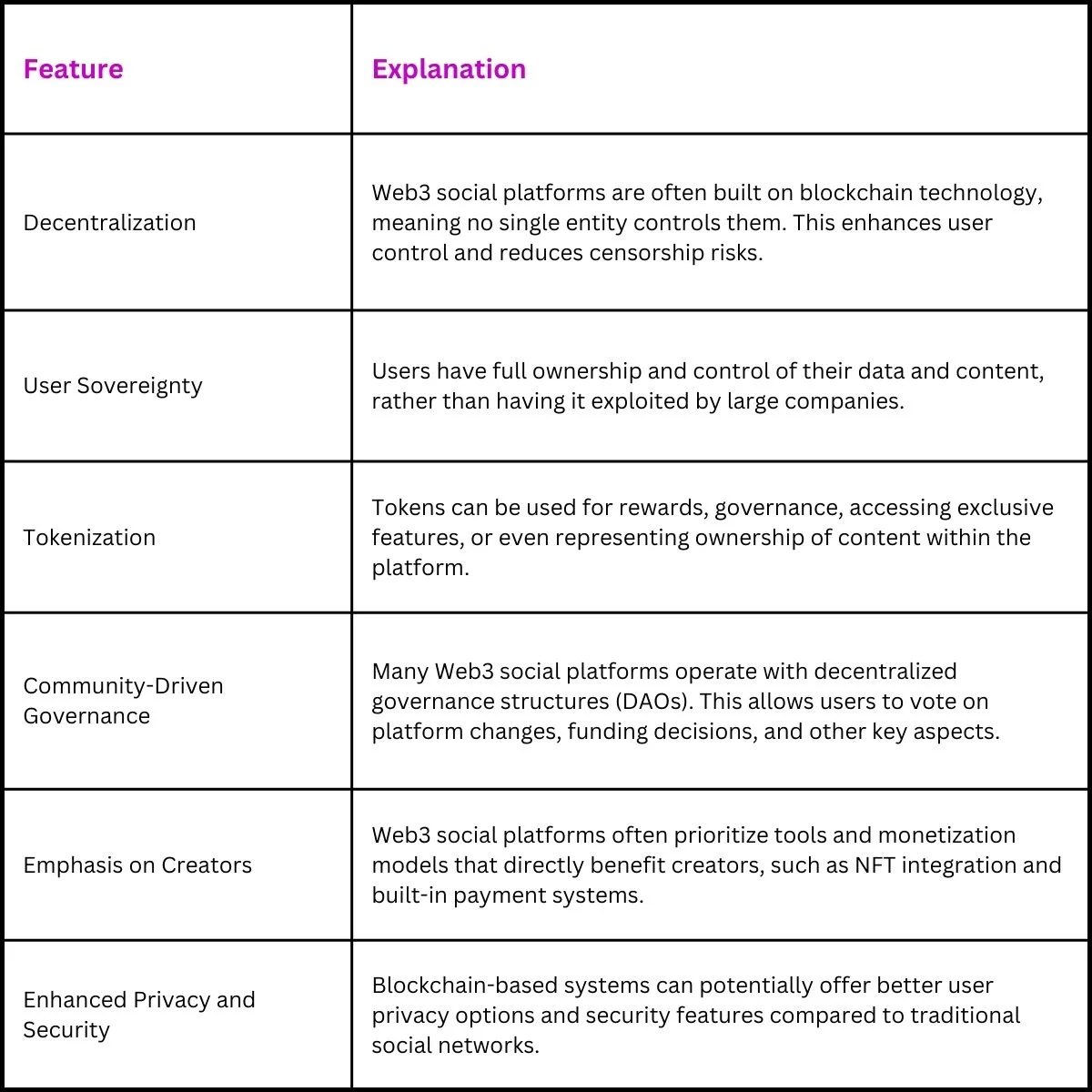
Web3 social is not just about adding crypto wallets to existing platforms. It refers to decentralized social networking protocols where users actually own their social graphs, content, and reputation. For creators, this ownership changes everything about monetization. Instead of renting an audience from a centralized platform that can change its rules overnight, you build a portable reputation that moves with you across different applications and ecosystems.
However, the path from Web2 to Web3 is paved with failed projects. Most early Web 3.0 initiatives collapsed due to weak technical architecture, poor security practices, and a lack of scalable business models. Innovation without structure leads to instability. To avoid this trap, your strategy must prioritize usability and clear utility over speculative hype. If the user experience is clunkier than Twitter or Instagram, no amount of token incentives will retain an audience.
A robust web3 social strategy focuses on three core pillars: verifiable on-chain identity, direct creator-to-fan economic flows, and interoperable content ownership. This means leveraging tools that allow fans to prove their support through on-chain actions, such as holding specific NFTs or tokens, which then unlocks exclusive content or access. This creates a loyal community based on shared economic interest rather than passive consumption.
By grounding your approach in these fundamentals, you shift from chasing viral trends to building sustainable digital assets. The goal is to create a social layer that feels seamless to the user while providing the transparency and ownership benefits that define the next generation of the internet. This balance between technical capability and human-centric design is what separates lasting platforms from fleeting experiments.
Web3 social strategy choices that change the plan
Building a monetization strategy on decentralized infrastructure requires balancing ownership against operational friction. Unlike Web2 platforms where algorithms dictate reach, Web3 social platforms grant users control over their content and data, but this autonomy shifts the burden of distribution and security to the creator.
To evaluate these tradeoffs effectively, compare the structural differences across the three primary infrastructure models currently supporting creator economies.
| Model | Ownership | Distribution | Monetization |
|---|---|---|---|
| Protocol-Based | User owns social graph and content | Algorithmic or follower-driven across apps | Native tokens, NFTs, and tips |
| App-Native | Creator retains content rights; app owns graph | Platform-controlled feed and search | Ad revenue share and subscription tiers |
| Hybrid | Shared rights between user and protocol | Cross-chain bridges and aggregator feeds | Multi-chain token swaps and NFT royalties |
Protocol-based models, such as those built on ActivityPub or Lens, offer the highest degree of ownership. Creators can move their audience between different front-end applications without losing their social graph. However, distribution remains fragmented. Without a centralized algorithm to optimize content visibility, creators must actively drive traffic through external channels or rely on community-curated feeds.
App-native platforms provide a smoother user experience by handling technical complexities like gas fees and wallet management. This friction reduction is critical for mass adoption. The tradeoff is that the platform controls the distribution algorithm. If the platform changes its monetization policy or algorithm, creator revenue can fluctuate unpredictably.
Hybrid approaches attempt to bridge this gap by allowing cross-chain interoperability. While this offers flexibility in monetization, it introduces significant technical overhead. Smart contract vulnerabilities and cross-chain bridge risks remain the primary security concerns for creators holding substantial assets.
Choose the Next Step
Turning research into a decision framework starts with defining your monetization model. Web3 social platforms offer distinct economic layers—token-gated access, direct tipping, and NFT-based ownership. Your choice depends on whether you prioritize immediate cash flow or long-term asset appreciation. Use this checklist to align your strategy with your audience’s spending habits.
Determine if you will sell digital goods, offer subscription tiers, or rely on community tips. Platforms like Farcaster support native tipping, while Lens Protocol allows for more complex NFT-based content gating. Align your model with what your audience already uses.
Evaluate protocols based on gas fees, user onboarding complexity, and liquidity. Solana-based social apps offer low friction for micro-transactions, while Ethereum L2s provide security for high-value NFT assets. Choose the chain that matches your transaction volume and target demographic.
Create a verifiable profile that connects your social graph across platforms. Use decentralized identifiers (DIDs) to ensure your reputation and content ownership travel with you. This step prevents vendor lock-in and allows you to monetize your audience regardless of the platform’s fate.
Start small with a single product or content drop. Test your pricing, distribution, and community engagement before scaling. Use analytics to track conversion rates and adjust your tokenomics or content strategy based on real user behavior.
Spotting Weak Web3 Social Options
Many creators chase Web3 social platforms promising instant monetization, but the infrastructure is still maturing. The gap between marketing claims and actual user adoption creates significant risk for early adopters who haven't done their due diligence. Before committing time or capital, you need to identify the specific traps that cause projects to stall or fail.
Misleading "Decentralized" Claims
Not every platform with a token is truly decentralized. Some projects use blockchain only for payments while keeping content moderation and data storage centralized. This hybrid model often negates the promised censorship resistance. Check the codebase and governance structure to verify if users actually control their social graphs and reputation, as defined by standard Web3 social protocols.
Ignoring Liquidity and Network Effects
A platform with no active users is just an empty ledger. Many new social dApps launch with heavy token incentives but fail to retain organic engagement once rewards dry up. Look for platforms with established network effects or clear pathways to sustainable community growth. Without real users, your content and followers have no market value, regardless of the token price.
Overlooking Technical Fragility
Web 3.0 projects often fail due to weak technical architecture and poor security practices, leading to instability for creators. Smart contract vulnerabilities or slow transaction speeds can ruin the user experience. Ensure the underlying infrastructure is audited and scalable. Innovation without robust structure leads to frustration, causing your audience to migrate to more reliable platforms before you can monetize effectively.
No comments yet. Be the first to share your thoughts!