Defining the web3 social landscape
Web2 social platforms operate like landlords. You build an audience on their land, but they control the rules, the algorithms, and the exit strategy. If a platform changes its feed or bans your account, your digital presence vanishes overnight. Web3 social protocols flip this dynamic by treating social data as user-owned assets rather than corporate property.
At its core, Web3 social refers to decentralized social networking protocols where users own their social graphs, content, and reputation Gitcoin. This means your connections, posts, and identity are portable. You can move your audience from one application to another without starting from zero, because the data lives on the blockchain, not in a proprietary database.
This shift from platform-centric algorithms to user-owned data changes the monetization model. Instead of selling your attention to advertisers, Web3 social allows creators to capture value directly through tokens, NFTs, and micro-transactions. It is less about viral fame and more about sustainable, verifiable ownership of your digital identity.
For long-term strategy, this distinction is critical. Web2 offers reach but no equity. Web3 offers equity and portability, but requires users to understand basic crypto infrastructure. The infrastructure is stabilizing, making it a viable foundation for creators who want to build lasting assets rather than temporary audiences.
Monetization models beyond ads
Web2 creators often trade their attention for pennies in ad revenue, leaving them vulnerable to algorithm changes and platform policy shifts. Web3 social platforms flip this dynamic by allowing creators to capture value directly from their community through token incentives, NFTs, and direct support. This shift moves income from volatile ad impressions to sustainable, community-backed revenue streams.
Token incentives and direct support
Many Web3 social protocols reward content creation and engagement with native tokens. Instead of waiting for a platform to monetize your views, you earn tokens for posting, commenting, or sharing. This model aligns creator success with community growth, as early supporters benefit from the platform's expansion. Direct support mechanisms, such as tipping or subscription models using crypto, allow fans to fund creators without middlemen taking a significant cut.
NFTs as digital ownership
Non-fungible tokens (NFTs) offer a way to monetize digital art, exclusive content, or community access. Unlike traditional licensing, NFTs provide verifiable ownership and can include royalty structures that ensure creators earn from secondary sales. This creates a recurring revenue stream that persists beyond the initial sale, fostering a long-term relationship between the creator and their audience.
The infrastructure advantage
This model relies on stable infrastructure to function. As noted by JPMorgan, Web3 social commerce integrates these functionalities to build trust and discoverability. For creators, this means less time worrying about ad rates and more time building a loyal community. The result is a more resilient income model that grows with your audience rather than shrinking with platform changes.

Choosing the right infrastructure
Your social graph is the backbone of your Web3 presence. If the underlying protocol can’t handle your traffic, your community will leave, regardless of how good your content is. You need a foundation that matches your specific needs, whether that’s high-frequency micro-interactions or heavy, media-rich posts.
The choice usually comes down to Layer 1 (L1) or Layer 2 (L2) networks, and the specific social protocol built on top of them. L2s like Base or Polygon are often preferred for social apps because they offer low gas fees, which is critical for user retention. L1s like Ethereum provide maximum security but can be too expensive for daily social interactions.
Protocol comparison
Different protocols handle social data in distinct ways. Understanding these differences helps you pick the right stack for your audience. The table below compares the most common options.
| Protocol | Network | Avg. Tx Cost | Primary Focus |
|---|---|---|---|
| Farcaster | Optimism (L2) | Low | Microblogging |
| Lens | Polygon (L2) | Low | Modular Graph |
| Mastodon | Fediverse (No Chain) | N/A | Decentralized Text |
| Audius | Polygon (L2) | Low | Music Streaming |
Visualizing the ecosystem
The landscape is diverse, ranging from text-first networks to media-centric platforms. Seeing how these tools visually represent data can help you understand their user experience before committing.
Tools for creators
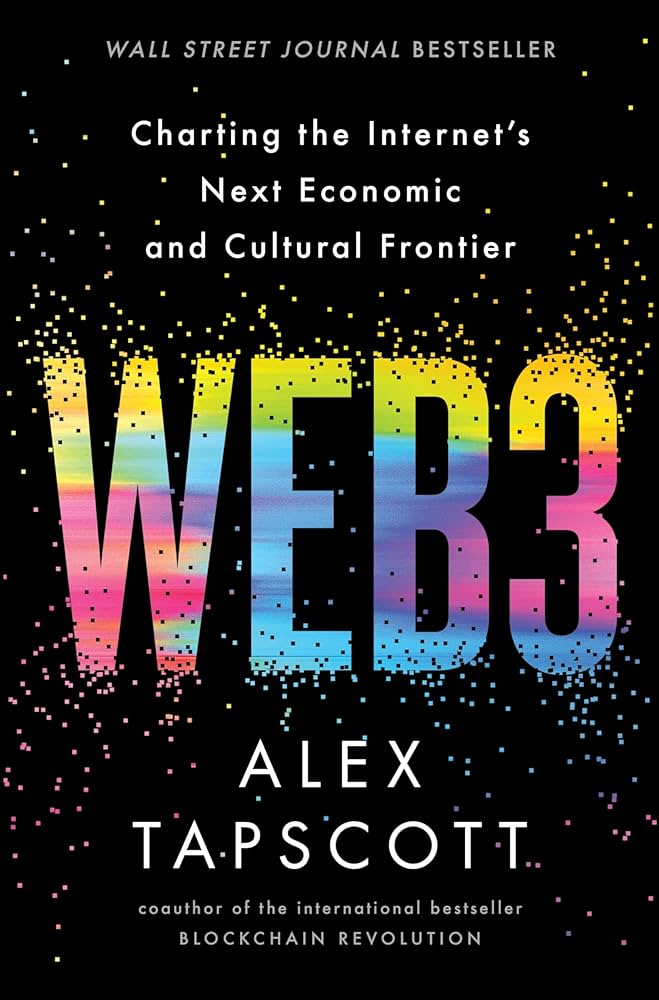
To get started, you’ll need the right software to interact with these protocols. These tools help you manage your digital identity and content across different chains.


As an Amazon Associate, we may earn from qualifying purchases.
Growth tactics for onchain audiences
Building a sustainable audience in Web3 requires shifting from passive broadcasting to active participation. Unlike traditional social media, where algorithms dictate visibility, onchain growth relies on reputation, ownership, and genuine community governance. The goal is to create a self-sustaining ecosystem where users feel invested in the platform's success.
1. Verify Identity Without Friction
Trust is the currency of Web3. Implementing decentralized identity (DID) verification allows you to confirm that users are real humans without collecting sensitive personal data. This reduces bot activity and builds a higher-quality community base. Platforms like Gitcoin Passport offer tools to score user reputation based on onchain activity, ensuring that your early adopters are genuine contributors rather than sybil attackers.
2. Incentivize Governance Participation
Give your community a voice. Token-gated governance forums allow holders to vote on key decisions, from feature development to treasury allocation. This isn't just about decentralization for its own sake; it increases retention. When users feel they have ownership over the platform's direction, they are more likely to stay and advocate for it. Use tools like Snapshot to facilitate gas-free voting, lowering the barrier to entry for casual participants.
3. Enable Cross-Platform Portability
Your audience should own their social graph. Ensure that user profiles, followers, and content are portable across different Web3 applications. This interoperability prevents lock-in and makes it easier for users to migrate from legacy platforms. Highlight this benefit in your marketing: "Your reputation travels with you." This approach appeals to users tired of being locked into walled gardens where their social capital disappears if they leave.
4. Reward Consistent Contribution
Move beyond simple airdrops. Implement a reputation system that rewards long-term engagement, such as creating high-quality content or moderating discussions. Use non-transferable soulbound tokens (SBTs) to represent achievements and status within your community. This creates a tangible record of contribution that users value, fostering a culture of meritocracy rather than speculation.
5. Build a Sustainable Token Economy
Avoid inflationary models that punish early adopters. Design a token economy that balances rewards for contributors with mechanisms to reduce sell pressure, such as vesting schedules or staking requirements. Ensure that the token has clear utility, whether it's access to premium features, governance rights, or revenue sharing. A stable, well-designed economy is crucial for long-term growth, as it aligns the incentives of the platform with those of its users.
Market Trends and Future Outlook
The Web3 social landscape is shifting from experimental hype toward sustainable infrastructure. JPMorgan’s Kinexys reports that social commerce is maturing, integrating Web3 functionalities directly into user experiences rather than treating them as novelty features. This transition suggests that long-term viability depends on seamless utility, not just speculation.
Regulatory clarity remains a primary concern for creators and platforms alike. As governments worldwide draft frameworks for digital assets, platforms that prioritize compliance and user ownership are better positioned to scale. Uncertainty can stifle growth, but established protocols that offer transparent governance are building the trust necessary for mass adoption.
Market sentiment reflects this pragmatic shift. Investors are looking for platforms with active communities and clear revenue models rather than vanity metrics. The focus is on infrastructure that supports creators directly, ensuring that value flows back to the content producers and their audiences.
This chart illustrates the broader market context in which Web3 social platforms operate. While specific token prices fluctuate, the underlying trend shows a move toward institutional interest in crypto-adjacent equities, signaling growing confidence in the sector’s foundational technology.
Frequently asked: what to check next
Starting with Web3 social platforms can feel like learning a new language, but the core mechanics are often simpler than the hype suggests. Here are the most common questions creators ask when transitioning from Web2 to decentralized social.
No comments yet. Be the first to share your thoughts!