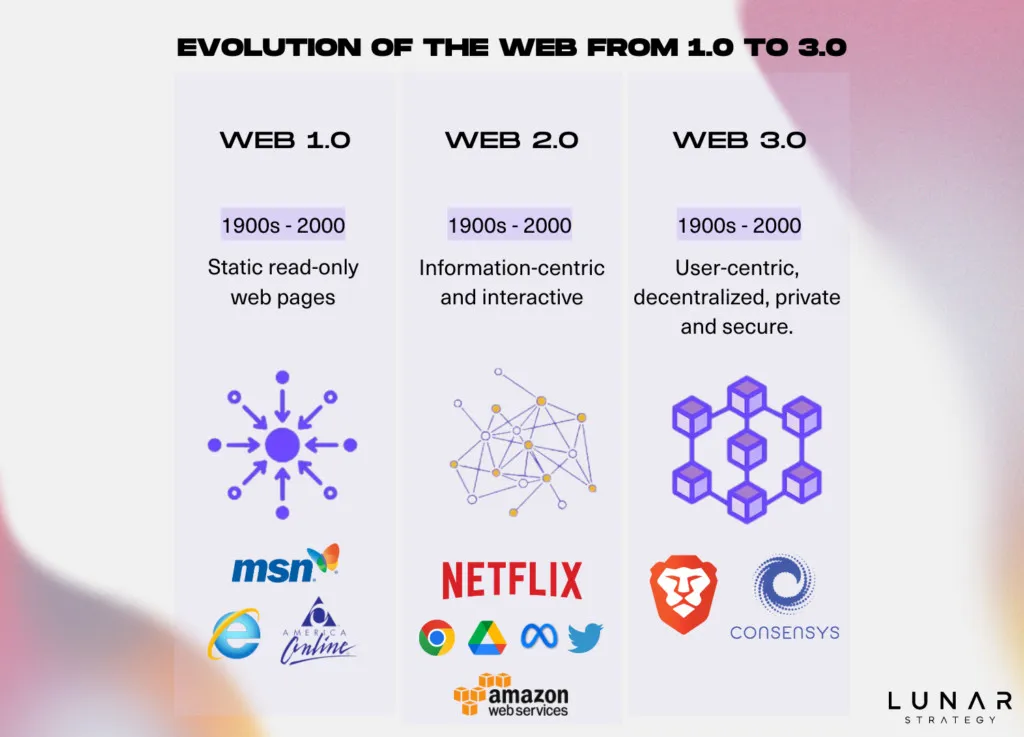
The web3 social limits to account for
Web3 social platforms promise ownership, but that promise comes with friction. Unlike traditional networks where attention flows freely through centralized algorithms, decentralized social graphs require users to manage keys, pay gas fees, and navigate fragmented liquidity. This is the core constraint of the current Web3 social guide: balancing true data sovereignty against the usability gap that drives users away.
Most early adopters accept this tradeoff for ideological reasons or niche utility. However, as monetization shifts toward account abstraction chains, the barrier to entry lowers. Users can now delegate transactions and batch operations, making the "constraint" less about technical complexity and more about network effects. The real challenge isn't building the protocol; it's convincing users to migrate their social graph from entrenched Web2 incumbents.
The result is a fragmented landscape. While platforms like Lens and Farcaster offer robust infrastructure, they struggle with mass adoption because the user experience still feels like a beta product. For creators looking to monetize attention, this means the audience is smaller, more technical, and harder to convert. Success requires navigating this constraint not by ignoring it, but by building tools that abstract it away entirely.
Web3 social choices that change the plan
Web3 social platforms promise that users own their social graphs, content, and reputation rather than surrendering rights to a centralized company [src-serp-3]. However, this ownership comes with concrete operational costs that creators must weigh against potential upside. The primary tradeoff is between user sovereignty and platform friction.
| Factor | Centralized Social (Web2) | Decentralized Social (Web3) |
|---|---|---|
| Data Ownership | Platform-controlled; users grant licenses | User-held; self-custodied keys |
| Monetization | Ad-revenue share; platform dictates rates | Direct tips, tokens, or NFTs; creator sets terms |
| Censorship | Centralized moderation; account bans | Censorship-resistant; hard to remove content |
| Onboarding | Email/phone login; instant access | Wallet creation; seed phrase management |
| Network Effects | Mature; billions of active users | Fragmented; growing but niche communities |
The most immediate hurdle is onboarding. Web2 platforms offer instant access via email or phone, while Web3 requires users to manage private keys and understand gas fees. This friction significantly lowers conversion rates for new users. However, for creators, the ability to monetize directly through tokens or NFTs without platform intermediaries can yield higher long-term revenue, especially as account abstraction chains begin to hide these complexities from end-users.
Censorship resistance is another double-edged sword. While it protects free speech, it also means creators must handle their own moderation tools or rely on decentralized governance, which can be slow and contentious. Additionally, network effects remain fragmented across different protocols, making it harder to reach a broad audience compared to established giants.
| Factor | Web2 | Web3 |
|---|---|---|
| Data Ownership | Platform-controlled | User-held |
| Monetization | Ad-revenue share | Direct tips/tokens |
| Censorship | Centralized moderation | Censorship-resistant |
| Onboarding | Instant access | Wallet management |
| Network | Mature | Fragmented |
How to pick the right Web3 social platform
Choosing a Web3 social platform requires matching your monetization strategy to the underlying technology. Not all account abstraction chains support the same creator tools or token standards. A platform that excels at subscription-based content may lack the decentralized governance features needed for community-driven projects. Start by defining your primary revenue stream before evaluating the tech stack.
1. Verify account abstraction compatibility
Account abstraction (ERC-4337) allows for gasless transactions and social recovery, which significantly lowers the barrier for mainstream users. If your target audience is new to crypto, prioritize platforms that abstract away seed phrases and gas fees. Check if the platform uses a dedicated bundler and paymaster service to handle these transactions seamlessly. Without this infrastructure, user retention will suffer due to friction.
2. Assess monetization flexibility
Different platforms support different revenue models. Some are optimized for creator tokens and NFT-based access, while others focus on direct subscriptions or token-gated content. Review the smart contract architecture to ensure it supports your preferred monetization method. For example, if you plan to sell limited-edition digital collectibles, verify that the platform’s minting infrastructure is robust and cost-effective.
3. Check data ownership and portability
Web3 social’s core promise is user-owned data. Ensure the platform allows you to export your social graph and content metadata. This portability is crucial if you plan to migrate to another platform in the future. Look for platforms that adhere to open standards like ActivityPub or specific Web3 social protocols that enable cross-platform interoperability.
4. Evaluate community and ecosystem
A platform’s value is often tied to its active user base. Look for platforms with a growing number of creators and engaged communities. Check the developer activity on the platform’s GitHub repositories and the health of its associated DAOs. A vibrant ecosystem indicates long-term viability and provides more opportunities for cross-promotion and collaboration.
5. Review security and audit history
Since you are dealing with user funds and data, security is paramount. Verify that the platform’s smart contracts have been audited by reputable firms. Check for any past security incidents and how they were handled. Platforms with a transparent bug bounty program and a history of prompt updates are generally safer choices for long-term engagement.
Avoid Weak Web3 Social Options
Web3 social platforms promise user ownership, but many fall short on execution. When monetizing attention on account abstraction chains, distinguishing between robust infrastructure and superficial wrappers matters. The market is crowded with projects that mimic Web2 features without delivering true decentralization or meaningful creator revenue.
The "Web2 Wrapper" Trap
Many platforms label themselves as Web3 but rely on centralized databases for content storage and identity. These are essentially traditional social networks with a wallet login. If the platform can censor posts or delist creators without on-chain governance, it is not Web3 social. It is a hosted service with a blockchain payment layer. This distinction is critical for creators seeking long-term asset ownership.
Misleading Monetization Claims
Some protocols promise high yields through "attention tokens" or ad-revenue sharing, yet lack sustainable tokenomics. These models often inflate token prices temporarily, rewarding early speculators while leaving latecomers with devalued assets. Always audit the revenue source. If the platform does not generate real external revenue (e.g., from advertisers or enterprise users), the token value is purely speculative and fragile.
Ignoring User Experience Friction
Account abstraction should simplify transactions, not complicate them. Platforms that require users to manage multiple gas tokens or navigate complex bridging workflows fail the utility test. True adoption requires seamless onboarding where gas fees are abstracted away. If a platform forces users to understand blockchain mechanics to post a comment, it is not ready for mainstream monetization.
Lack of Interoperability
Isolated silos limit network effects. A platform that does not allow users to import their social graph or content to other chains restricts value creation. Look for protocols that support cross-chain standards and open APIs. Without interoperability, your digital reputation and content remain trapped, reducing their long-term utility and marketability.
Web3 social: what to check next
Web3 social refers to decentralized social networking protocols and platforms where users own their social graphs, content, and reputation. Unlike Web2 platforms that lock data behind corporate firewalls, these networks use account abstraction chains to give you full control over your digital identity and monetization.
How does monetization differ from traditional social media?
On Web3 social platforms, you earn directly through creator tokens, tips, and subscription models built into the protocol. There are no middlemen taking a 30% cut or withholding ad revenue. You own your audience and can move your reputation across compatible apps without losing your followers.
What are the main layers of the Web3 social stack?
The stack typically includes four layers: hosting (where data lives), social primitives (messaging and interaction rules), profile (your decentralized identity), and applications (the front-end you use). This modular design allows you to swap front-ends while keeping your social graph intact.
Is it safe to use Web3 social platforms?
Security depends on how you manage your private keys and wallet permissions. Since you control your data, you are responsible for securing your account. However, the decentralized nature means there is no single point of failure that can delete your entire history or ban you without cause.
Which platforms are best for creators in 2026?
Top options include Farcaster for real-time conversation, Lens Protocol for modular content, and Mirror for long-form publishing. Each platform offers different tools for monetization, so choose based on whether you prioritize community engagement or content ownership.
No comments yet. Be the first to share your thoughts!