The web3 social limits to account for
Web3 social refers to decentralized social networking protocols and platforms where users own their social graphs, content, and reputation. This shift from centralized platforms to user-owned infrastructure creates a fundamental constraint for creators: you must manage both your audience and your technical infrastructure. Unlike traditional social media, where the platform handles distribution and payment processing, Web3 requires you to bridge the gap between content creation and onchain monetization.
The core challenge lies in the fragmentation of tools. Creators often juggle multiple wallets, tokens, and protocols to engage their community. This complexity can stifle growth if not managed efficiently. However, AI agents offer a solution by automating routine interactions and streamlining payment flows, allowing creators to focus on content rather than code.
To succeed, you need a clear strategy that leverages these tools without overwhelming your audience. By integrating AI-driven automation with robust Web3 social platforms, you can create a seamless monetization loop that rewards loyalty and engagement. This approach transforms the constraint of complexity into an advantage, offering creators greater control and profitability.
Web3 social choices that change the plan
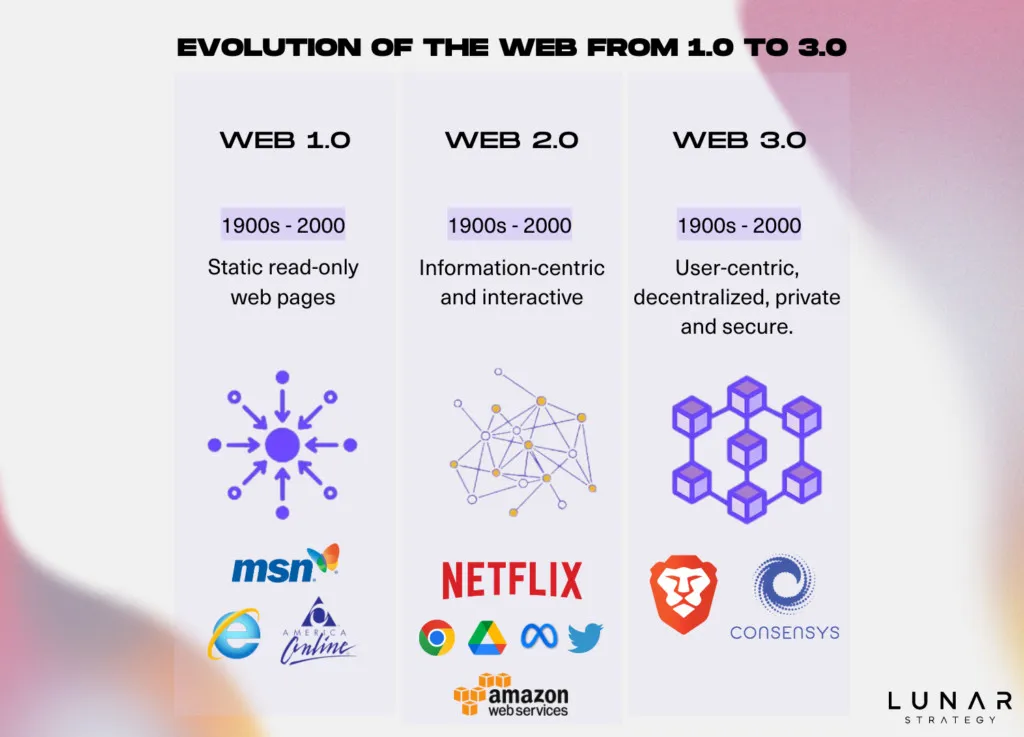
Choosing a Web3 social platform involves balancing ownership, reach, and technical friction. Unlike Web2 platforms where algorithms control visibility, Web3 social networks prioritize user-owned data and decentralized identity. This shift offers creators direct monetization paths through tokens and NFTs, but it often comes with a steeper learning curve and smaller initial audiences.
The primary advantage is sovereignty. You retain control over your social graph, content, and reputation data. If one platform shuts down or changes its terms, your data remains portable. However, this independence means you must manage your own keys and security. There is no "forgot password" button, and lost credentials can mean permanent loss of access to your digital presence.
Another critical factor is network effects. Established Web2 platforms benefit from billions of active users. Web3 social networks, while growing, often struggle with liquidity and user retention. Early adopters may find vibrant communities, but scaling to millions of followers requires bridging the gap between crypto-native users and mainstream audiences.
To evaluate these tradeoffs, consider the following factors when selecting a platform for AI agent-driven monetization:
| Feature | Web2 Social | Web3 Social |
|---|---|---|
| Data Ownership | Platform-controlled | User-owned |
| Monetization | Ad-revenue share | Direct tips, tokens, NFTs |
| Privacy | Data sold to advertisers | Self-sovereign identity |
| User Base | Billions, high liquidity | Millions, niche communities |
| Technical Barrier | Low, email login | High, wallet management |
The decision ultimately depends on your goals. If you prioritize mass reach and ease of use, Web2 remains dominant. If you value data ownership and want to experiment with direct creator-economy models, Web3 social offers a compelling, albeit more complex, alternative.
Choose the right Web3 social platform
Web3 social refers to decentralized social networking protocols and platforms where users own their social graphs, content, and reputation. With AI agents now capable of managing these onchain identities, selecting the right infrastructure is less about picking a social network and more about choosing a monetization engine. The platform you choose dictates how your AI agent interacts with users, processes payments, and stores reputation data.
1. Evaluate content ownership and portability
Your AI agent needs a stable identity. Platforms that allow you to export your social graph and content metadata ensure your agent isn't locked into a single ecosystem. Prioritize platforms built on open protocols like ActivityPub or blockchain-native standards that support cross-platform portability. This ensures that if one platform changes its monetization model, your agent can migrate your audience and reputation without starting from zero.
2. Check native monetization and payment rails
AI agents thrive on automation, but they need clear payment rails. Look for platforms with built-in microtransaction support, token-gated content features, or direct wallet integration. Platforms that require complex off-chain payment processing add friction that kills conversion rates. The best Web3 social platforms allow your agent to handle subscriptions or pay-per-view interactions directly through smart contracts, reducing the need for manual intervention.
3. Assess AI agent compatibility
Not all platforms are ready for autonomous agents. Evaluate whether the platform provides an API or SDK that allows your AI agent to post, respond, and manage subscriptions programmatically. Some platforms restrict bot-like behavior to prevent spam, so you need a platform that explicitly supports developer tools for autonomous accounts. This compatibility determines whether your agent can scale its output or if it will be constantly rate-limited or banned.
4. Verify community size and engagement quality
A large user base means more potential revenue, but only if those users are active. Look for platforms with high daily active users and meaningful engagement metrics, not just vanity follower counts. Platforms with strong community governance often have higher retention rates, which benefits long-term monetization strategies. Check recent activity levels and the quality of discussions to ensure there is a viable audience for your AI-generated content.
5. Review security and reputation systems
Since your AI agent will be handling transactions and user interactions, security is paramount. Choose platforms with robust reputation systems that prevent spam and fraud. Platforms that use onchain reputation scores or proof-of-humanity mechanisms can help your agent build trust with users more effectively. Additionally, ensure the platform has clear terms of service regarding AI-generated content to avoid unexpected account suspensions.
Spotting Misleading Claims
The Web3 social space is crowded with promises that rarely match reality. Many platforms claim to offer true decentralization while retaining central control over content moderation and data access. This creates a false sense of ownership for creators who expect autonomy but face sudden bans or algorithmic suppression. Always verify if the protocol’s governance is truly decentralized or merely a marketing facade.
Weak Monetization Options
Not all onchain monetization tools are built equal. Some platforms rely on volatile token rewards that lose value faster than creators can cash out. Others require complex gas fee management that eats into small earnings. Look for solutions that offer stable, direct payments in stablecoins or established cryptocurrencies, avoiding projects that tie payouts to obscure governance tokens with no real-world utility.
Common Mistakes to Avoid
Creators often overlook the importance of wallet security when connecting to new social dApps. Granting excessive permissions can lead to drained assets or stolen content. Always use hardware wallets for significant transactions and review smart contract interactions carefully. Additionally, ignoring tax implications of onchain earnings can lead to unexpected liabilities. Keep detailed records of all transactions to ensure compliance with local regulations.
Web3 social: what to check next
What is Web3 social?
Web3 Social refers to decentralized social networking protocols and platforms where users own their social graphs, content, and reputation. Unlike traditional platforms that centralize data, Web3 social gives you direct control over your digital identity and assets. This shift allows creators to monetize directly through tokens and NFTs, rather than relying on platform algorithms.
What are the top 3 Web3 wallets?
Selecting the right wallet is the first step in accessing Web3 social apps. The top three options for 2026 are:
- MetaMask: The most widely used browser extension and mobile wallet, offering broad compatibility with most dApps.
- Trust Wallet: A popular mobile-first wallet that supports a wide range of blockchains and tokens.
- Ledger: A hardware wallet that provides the highest level of security for storing private keys offline.
How do AI agents help creators monetize?
AI agents automate the tedious parts of creator economy management. They can analyze on-chain engagement data to identify high-value followers, schedule content drops, and even manage token-gated communities. This automation lets creators focus on content strategy while the AI handles distribution and user interaction.
Is Web3 social worth the effort?
Web3 social is worth the effort if you value data ownership and direct monetization. While the user experience is still maturing, the ability to retain your audience and revenue when switching platforms is a significant advantage. For creators tired of algorithmic changes, it offers a more stable foundation.
No comments yet. Be the first to share your thoughts!