The web3 social limits to account for
Web3 social platforms promise that users own their data, but the infrastructure often fights the creator. In traditional social media, algorithms dictate reach. In Web3, the social graph lives on-chain, meaning your followers, posts, and reputation are portable assets. This ownership is the primary value proposition for creators seeking monetization beyond platform-dependent ad revenue.
However, this ownership comes with a steep learning curve and technical friction. To interact with these platforms, creators must manage digital wallets, understand gas fees, and navigate fragmented liquidity across different blockchains. Unlike a centralized app where a simple login suffices, Web3 requires active wallet management. This complexity creates a barrier to entry that can stifle growth if not addressed with the right tools.
The constraint is not just technical; it is economic. Monetization in Web3 social relies on token incentives, NFTs, and direct tipping. These mechanisms are powerful but volatile. A creator might earn in a native token that drops 30% in value overnight, or face high transaction costs that eat into small tips. Scaling monetization requires balancing the upside of on-chain ownership against the reality of crypto market volatility and user experience hurdles.
To succeed, creators must treat their on-chain presence as a business infrastructure, not just a social feed. This means choosing platforms that align with their audience, understanding the tokenomics of the protocol, and ensuring their wallet security is robust. The goal is to leverage the permanence and ownership of Web3 while minimizing the friction that drives users away.
Web3 social choices that change the plan
Use this section to make the The Web3 Social Playbook decision easier to compare in real life, not just on paper. Start with the reader's actual constraint, then separate must-have requirements from details that are merely nice to have. A practical choice should survive normal use, maintenance, timing, and budget. If a recommendation only works in an ideal situation, call that out plainly and give the reader a fallback path.
| Factor | What to check | Why it matters |
|---|---|---|
| Fit | Match the option to the primary use case. | A good deal still fails if it does not fit the job. |
| Condition | Verify age, wear, and service history. | Hidden condition issues erase upfront savings. |
| Cost | Compare purchase price with likely upkeep. | The cheapest option is not always the lowest-cost option. |
Choose the right web3 social infrastructure
Deciding which protocol to build on requires matching your audience's technical comfort with the platform's monetization mechanics. Unlike Web2, where algorithms decide visibility, Web3 social platforms rely on onchain reputation and token incentives. This shift means your choice of infrastructure directly impacts how you capture value.
Start by auditing your current audience. If they are already active in crypto, you can leverage platforms with native token economies for direct tipping or NFT-gated content. For broader, non-crypto audiences, prioritize platforms with account abstraction or fiat on-ramps to reduce friction. The goal is to minimize the steps between content consumption and creator payout.
Next, evaluate the technical stack. Are you building a standalone app or integrating into an existing social graph? Existing platforms like Farcaster or Lens offer immediate network effects but come with protocol-specific constraints. Building on a composable protocol like Base or Ethereum L2s offers flexibility but requires significant user acquisition effort. Weigh the tradeoff between speed-to-market and long-term data ownership.
Finally, verify the wallet integration. The best infrastructure is invisible to the user. Ensure the platform supports popular wallets like MetaMask or Coinbase Wallet, and consider integrating a smart wallet solution for seamless login. This decision framework ensures you select a foundation that scales with your audience's growth, not just your initial launch.
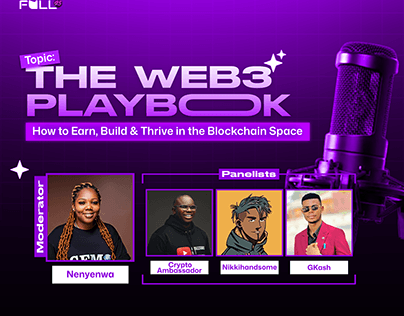
Survey your existing followers to determine their comfort level with wallets and transactions. If less than 20% hold crypto assets, prioritize platforms with seamless fiat on-ramps and social login features to lower the barrier to entry.

Align your revenue model with the platform's native incentives. For direct tipping, choose platforms with native token economies. For long-term ownership, select composable protocols like Lens or Farcaster that allow you to port your social graph and content to other apps.
Decide between building on an existing social app for immediate network effects or a standalone protocol for data sovereignty. Existing apps offer faster growth but limited customization. Protocols offer full control but require significant user acquisition and technical maintenance.
Ensure the platform supports major wallets like MetaMask and Coinbase Wallet. Integrate smart wallet technology to abstract away seed phrases and gas fees, allowing users to interact with your content using familiar email or social login credentials.

As an Amazon Associate, we may earn from qualifying purchases.
Watchouts for Web3 Monetization
Many platforms promise instant creator income, but the reality often involves high gas fees and low engagement. Before committing time, check if the platform’s token has actual utility or if it’s just a vanity metric. Without real demand, your content won’t convert to revenue, no matter how many followers you gain.
Another trap is ignoring the technical barrier. If your audience doesn’t already hold a crypto wallet, friction will kill your conversion rates. Platforms that require complex setup for every interaction will lose casual users to simpler Web2 alternatives. Choose infrastructure that abstracts away the complexity.
Finally, be wary of platforms that lock your content or followers. True ownership means you can export your social graph and move to another service without losing your history. If the terms of service give the platform full control over your data, you don’t own your audience—you’re just renting it.
Web3 social: what to check next
Web3 social refers to decentralized social networking protocols and platforms where users own their social graphs, content, and reputation. Instead of surrendering rights to a central company, these platforms give users real control over their digital presence through onchain infrastructure.
For beginners, learning Web3 development starts with foundational resources. The best overall path is the Learn Web3 course on Cyfrin Updraft, while Cryptozombies offers the most interactive experience for practicing smart contracts. Solidity by Example and Speed Run Ethereum provide additional hands-on practice for building projects.
When choosing a Web3 wallet, MetaMask remains the most versatile option for interacting with decentralized applications. Trust Wallet and Ledger offer strong alternatives for mobile accessibility and hardware security, respectively. Phantom and Rabby Wallet are also popular choices for users focused on specific ecosystems like Solana or Ethereum.
No comments yet. Be the first to share your thoughts!