Defining your web3 social strategy
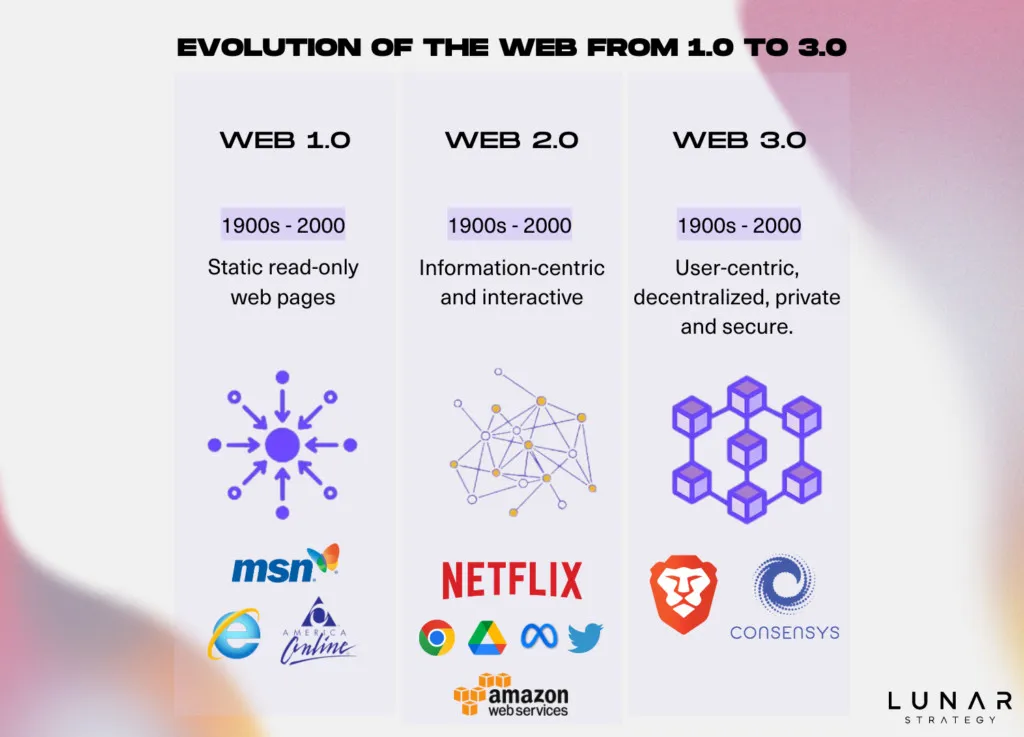
Your web3 social strategy starts with a fundamental shift in how you view your audience. On Web2 platforms, you are renting space. You build followers, create content, and engage with communities, but the platform owns the data, controls the algorithm, and can change the rules—or shut down your account—at any moment. You have no real claim to the connections you’ve built.
Web3 social infrastructure changes this dynamic by giving you ownership of the social graph. Instead of surrendering rights to a centralized company, you hold the keys to your identity, your content, and your audience relationships. This ownership is verifiable and transferable, meaning your influence isn’t locked inside a single app. You can move your reputation and community across different platforms without losing your standing.
This distinction is critical for monetization. When you own your social graph, your audience becomes a portable asset. You can monetize through direct transactions, token-gated access, or cross-platform campaigns without relying on third-party ad networks or platform-specific revenue shares. Building a strategy around this ownership model ensures that your growth and income are sustainable, regardless of which apps rise or fall in popularity.
Choosing the right web3 social infrastructure
Your web3 social strategy hinges on matching your audience to the right protocol. A developer community needs different tools than a crypto trader or a digital artist. The infrastructure you choose determines how you monetize attention, whether through direct tipping, token-gated content, or native ecosystem rewards.
Platforms for Developers and Builders
For technical audiences, platforms like Gitcoin or Lens Protocol offer deep integration with on-chain activity. These networks allow you to monetize reputation directly. Builders often prefer environments where their social graph is portable and their contributions are verifiable on-chain. This setup supports long-term audience retention through utility rather than viral loops.
Platforms for Traders and Investors
Traders thrive on speed and real-time data. Platforms like Farcaster or decentralized alternatives to X (Twitter) provide the immediacy this group demands. Monetization here often comes from premium subscriptions for alpha, or tokenized access to exclusive channels. The key is low latency and high signal-to-noise ratio. If your content is time-sensitive, choose infrastructure that prioritizes fast propagation over complex governance.
Platforms for Creators and Artists
Artists and content creators benefit from platforms that support NFT integration and direct fan support. Audius for music or specialized NFT marketplaces with social features allow creators to capture value from every interaction. The infrastructure must handle media efficiently while keeping ownership clear. This approach turns passive viewers into active stakeholders in your work.
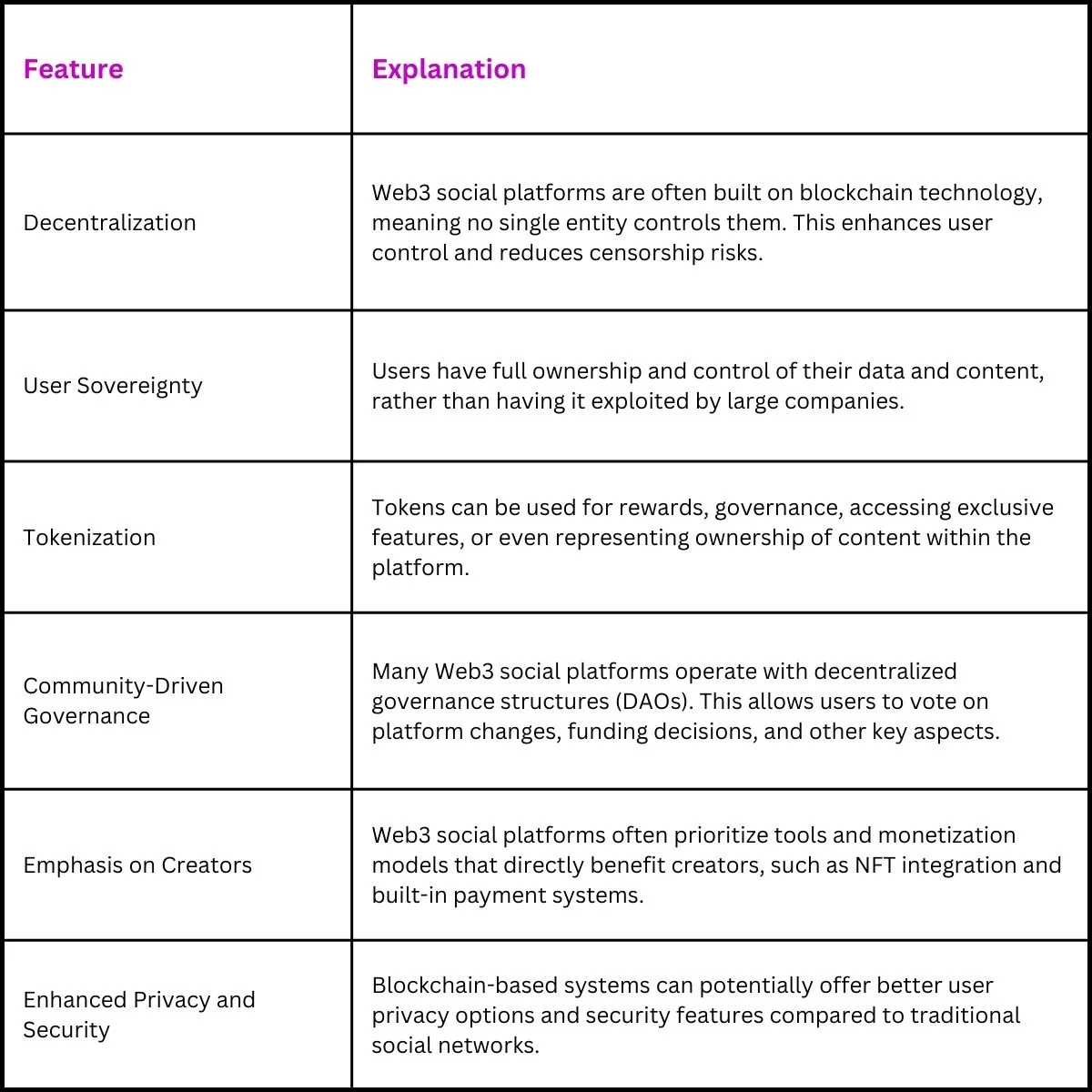
Comparison of Web3 Social Infrastructure
| Platform Type | Best Audience | Monetization Mechanism | Primary Chain/Protocol |
|---|---|---|---|
| Lens Protocol | Developers, Builders | Token-gated content, NFTs | Polygon |
| Farcaster | Traders, Crypto Natives | Tips, Premium Channels | Base |
| Audius | Musicians, Audio Creators | Streaming Rewards, Tips | Solana, Ethereum |
| Mastodon | General Web3 Enthusiasts | Donations, Boosts | Decentralized (ActivityPub) |
Source: Alchemy Dapp Store, NinjaPromo
Choosing the right infrastructure is not about picking the most popular chain. It is about where your audience already spends their time and how they prefer to transact. Align your web3 social strategy with their habits, and monetization becomes a natural byproduct of value delivery.
Monetization models beyond ads
The traditional web relies on surveillance capitalism: you provide the attention, and platforms sell it to advertisers. Web3 flips this dynamic by allowing creators to capture value directly from their community. Instead of relying on a single ad network that can change its algorithm overnight, a web3 social strategy diversifies revenue through on-chain mechanisms like token-gated content, direct tipping, and social tokens.
Token-gated content and access
Token-gating restricts access to specific content, communities, or tools based on wallet ownership. This shifts the relationship from passive viewership to active membership. Creators can issue NFTs or utility tokens that serve as keys to private Discord servers, exclusive newsletters, or high-level coaching sessions. This model ensures that revenue is tied directly to loyalty rather than viral reach.
Direct tipping and patronage
On-chain tipping removes the friction of third-party payment processors. Platforms like Farcaster or Lens Protocol allow users to send cryptocurrency directly to creators in real-time. This micro-economy enables fans to support their favorite voices with small transactions, creating a steady income stream that doesn't require millions of views to be viable. It transforms social interaction into a direct economic exchange.
Social tokens and community equity
Social tokens allow creators to issue their own currency, giving their audience a stake in their success. Unlike traditional ad revenue, which is indirect and opaque, social tokens create a transparent market where the community’s belief in the creator is reflected in the token’s value. This aligns incentives: when the creator succeeds, the community’s asset appreciates, fostering a deeper sense of shared ownership and long-term engagement.
Analyze Growth With On-Chain Data
A web3 social strategy relies on more than vanity metrics. To truly understand your audience, you must look at on-chain data. This approach reveals how wallet engagement and token holder distribution correlate with social sentiment. By tracking these signals, you can refine your strategy and move beyond guesswork.
On-chain analytics provide a clear view of who is actually participating. You can track wallet activity to identify active holders versus passive spectators. This distinction helps you tailor content that drives real engagement rather than just noise. Understanding the distribution of tokens also highlights whether your community is concentrated among a few whales or spread across a broad base of supporters.
Social sentiment tools complement this data by capturing the mood of your community. When combined with on-chain metrics, they offer a complete picture of your project's health. For instance, a spike in positive sentiment might precede an increase in wallet interactions, allowing you to capitalize on momentum.
To see these dynamics in action, consider the market behavior of social tokens. Their price and volume often reflect community activity more directly than traditional assets. A TechnicalChart below illustrates how social activity can influence token performance, providing a visual link between community engagement and market value.
Avoiding Common Web3 Social Pitfalls
Building a web3 social strategy requires more than just connecting a wallet; it demands robust infrastructure and clear compliance. Most projects stumble not because the idea is bad, but because the underlying architecture cannot handle real-world usage. Weak technical foundations and poor security practices create instability that users quickly abandon.
Regulatory uncertainty adds another layer of complexity. Unlike traditional social platforms, on-chain activities are transparent and immutable, making compliance with evolving financial and data laws critical. Ignoring these regulatory signals can lead to sudden shutdowns or legal penalties that destroy community trust.
To succeed, your strategy must prioritize scalability and user experience alongside decentralization. Innovation without structure leads to failure. Focus on building a stable, compliant foundation that can grow with your audience rather than chasing fleeting trends.
Web3 social strategy checklist
Building a profitable presence on-chain requires more than just posting content. You need a technical foundation that aligns with decentralized ownership and community incentives. This checklist covers the essential steps to launch or optimize your web3 social strategy.
Secure a dedicated wallet for your social activities. Use a hardware wallet for high-value assets and a browser extension for daily interactions. Establish a consistent username across platforms to build brand recognition.
Select platforms that align with your audience. Whether you choose decentralized protocols like Farcaster or established networks like Mastodon, ensure the platform supports your content format and community engagement goals.
Link your wallet to on-chain identity services. This allows you to display your transaction history, NFT holdings, and DAO participation as social proof. A strong on-chain reputation builds trust with potential collaborators and sponsors.
Set up token-gated access for exclusive content. Use platforms that support native token rewards for engagement. This creates a direct feedback loop where your audience is incentivized to participate and share your content.
Track your growth using on-chain analytics tools. Monitor which posts drive the most engagement and conversions. Adjust your strategy based on real data from your community interactions and wallet activity.
Frequently asked: what to check next
What is Web3 social?
Web3 social refers to decentralized social networking protocols where users own their social graphs, content, and reputation. Unlike traditional platforms, you control your digital presence and data rather than surrendering rights to a central corporation [1]. This ownership allows you to move your identity and audience across different apps seamlessly.
Why do many Web3 social projects fail?
Most Web 3.0 projects fail due to weak technical architecture, poor security practices, and unclear business models. Teams often understand blockchain technology but lack the skills for real-world product execution. Innovation without structure leads to instability, making it difficult to retain users and monetize effectively.
How does Web3 social differ from Web2?
In Web2, platforms own your data and algorithmically control your reach. In Web3 social strategy, you own your social graph and content. This shift gives you direct control over monetization and community engagement, reducing reliance on opaque platform algorithms and enabling sustainable audience growth.
Helpful gear
Use these product recommendations as a starting point, then choose the size, material, and price point that fit how you actually use the gear.


As an Amazon Associate, we may earn from qualifying purchases.
No comments yet. Be the first to share your thoughts!