Defining the web3 social landscape
Web3 social refers to decentralized social networking protocols and platforms where users own their social graphs, content, and reputation [[src-serp-2]]. This ownership model represents a fundamental structural shift from the Web2 paradigm, where platforms like Meta or X act as centralized intermediaries that extract value from user data and attention.
In the Web2 model, the social graph is locked within a single platform. If you leave, you lose your audience and history. Web3 social protocols treat this data as a user-owned asset. This enables portable reputation and direct monetization without platform intermediaries, allowing creators to move their audience and earnings across different applications seamlessly.
The shift from ad-revenue to direct value exchange is underpinned by on-chain reputation and token-gating mechanisms. Instead of relying on opaque algorithmic feeds to maximize ad impressions, Web3 social platforms facilitate transparent, permissionless interactions. This infrastructure allows for more efficient coordination and fairer value distribution, addressing the scalability and security challenges that have hindered earlier iterations of decentralized social media [[src-serp-6]].
Comparing core monetization architectures
The transition from Web2 to Web3 social is less about swapping platforms and more about changing who controls the revenue stream. Creators currently navigate three primary monetization architectures: token-gating, micropayments, and NFT-based access. Each model carries distinct implications for user friction, revenue retention, and alignment with on-chain reputation.
Token-gating restricts content to holders of specific assets, such as governance tokens or membership passes. This model aligns closely with the concept of a "social graph," where the value of the community is tied directly to the economic stake of its participants. While it creates high barriers to entry, it often results in higher retention among core supporters who view their holdings as both a key and an investment.
Micropayments allow for fractional billing per post, comment, or read. This architecture removes the gatekeeping aspect of token-gating but introduces significant user experience friction due to transaction fees and wallet interactions. It works best for high-volume, low-value interactions where the total revenue pool is distributed across a broad audience rather than a single patron.
NFT-based access leverages non-fungible tokens as permanent, verifiable credentials. Unlike fungible tokens, NFTs can carry metadata that reflects on-chain reputation or historical engagement. This makes them ideal for long-term community building, as the asset itself becomes a badge of honor that appreciates in social capital, not just financial value.
The following table breaks down the structural differences between these models to help you evaluate which infrastructure best fits your audience's behavior.
| Monetization Model | User Friction | Creator Revenue Share | Best Use Case |
|---|---|---|---|
| Token-Gating | High | 90-95% | Exclusive communities and high-value patronage |
| Micropayments | Medium | 70-80% | High-volume content and news updates |
| NFT Access | High | 85-90% | Long-term community building and reputation |
Market growth and infrastructure trends
The infrastructure underpinning decentralized social networks is scaling rapidly, driven by concrete demand for user-owned data and on-chain reputation systems. Unlike the speculative phases of early crypto, current growth is anchored in measurable adoption of social graphs and token-gating mechanics that allow creators to monetize directly.
Market data reflects this structural shift. The global web3 social media dapp market is projected to expand at a compound annual growth rate (CAGR) of 30.5% from 2025 to 2031, according to Lucintel. This trajectory signals sustained investor confidence in the underlying protocol layer rather than isolated application hype. Broader estimates for the web3 social media platforms market suggest a valuation reaching approximately USD 471 billion by 2034, growing from a USD 7.2 billion base in 2024, with some analysts citing even steeper CAGRs near 51% as infrastructure matures.
This expansion relies on robust backend infrastructure capable of handling decentralized storage and identity verification. As platforms move beyond simple token rewards to complex social interactions, the technical requirements for scalability and security become paramount. The market is no longer just about launching a new dApp; it is about building sustainable economic models that retain users through genuine utility.
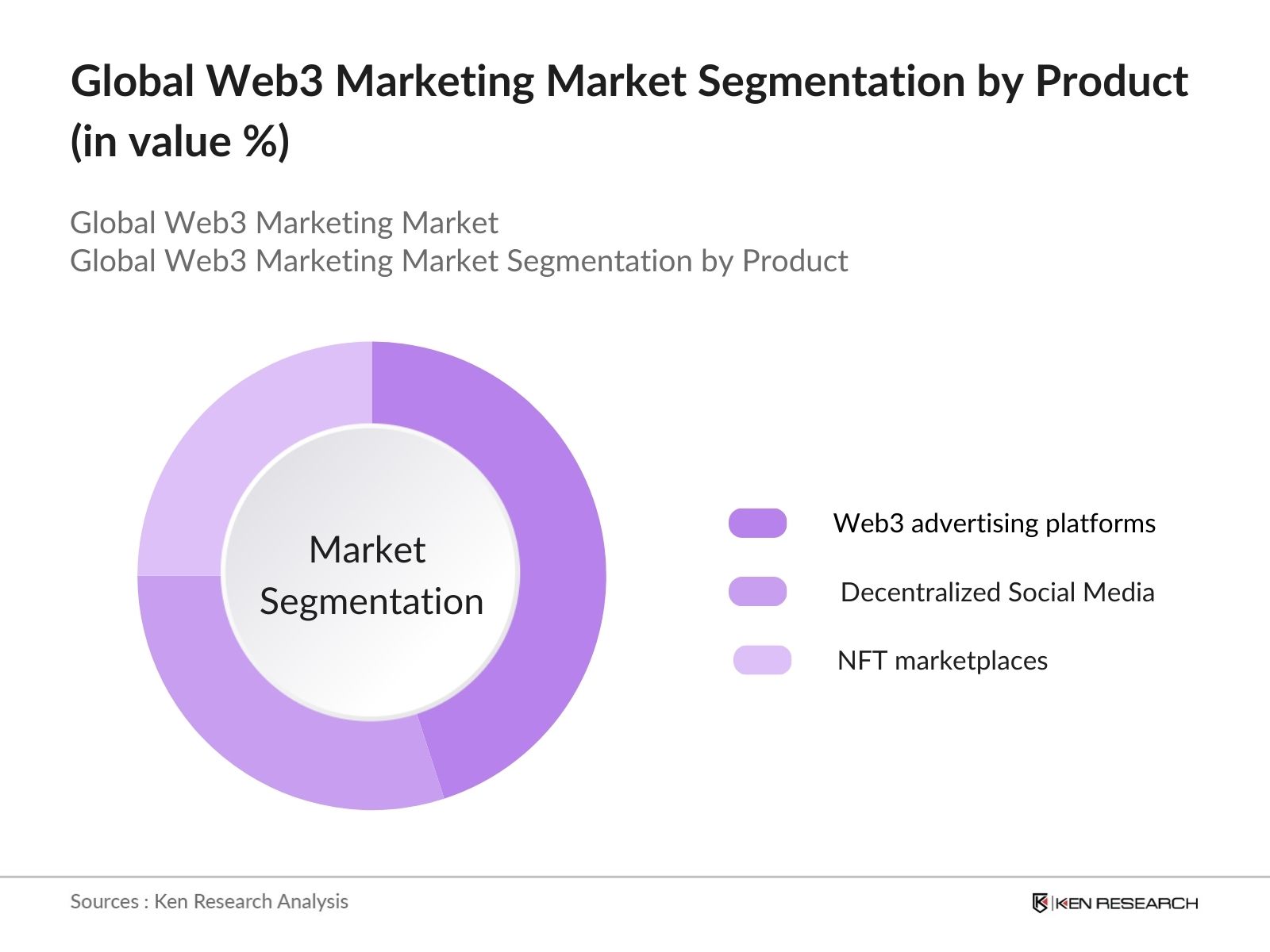
Investors and creators alike are watching these metrics closely. The convergence of higher transaction throughput and lower storage costs is making decentralized social networks viable for mass adoption. As the infrastructure solidifies, the focus shifts from experimentation to execution, with clear paths to revenue via content tokenization and community governance.
Technical analysis of network effects
Use this section to make the Web3 Social Analysis decision easier to compare in real life, not just on paper. Start with the reader's actual constraint, then separate must-have requirements from details that are merely nice to have. A practical choice should survive normal use, maintenance, timing, and budget. If a recommendation only works in an ideal situation, call that out plainly and give the reader a fallback path.
The simplest way to use this section is to write down the must-have criteria first, then compare each option against those criteria before weighing nice-to-have features.
Common pitfalls in web3 social adoption
Many web3 social projects stumble not because the technology is flawed, but because they prioritize tokenomics over user experience. A primary failure mode is unclear incentives. When creators cannot easily monetize their social graph, the network effect stalls. Projects often introduce complex token-gating mechanisms that confuse rather than engage, turning potential users away before they experience the value of on-chain reputation.
Technical architecture also plays a critical role. Unlike traditional social media, web3 platforms must balance immutability with usability. If the underlying protocol lacks scalability, transaction costs can erase the value of small interactions. This disconnect between blockchain capabilities and real-world product execution creates a fragile foundation that collapses under moderate user growth.
To avoid these traps, successful platforms treat infrastructure as a utility, not a gimmick. They ensure that the social graph is portable and that monetization tools are intuitive. By focusing on concrete user flows rather than speculative financial models, projects can build sustainable communities that outlast market cycles.
Frequently asked questions about web3 social
What is Web3 social?
Web3 social refers to decentralized social networking protocols where users own their social graphs, content, and reputation. Unlike traditional platforms, these systems use on-chain identity and token-gating to ensure that creators retain control over their audience data and monetization streams.
Why did Web 3.0 fail?
Most early Web 3.0 projects collapsed due to weak technical architecture, poor security practices, and a lack of scalable business models. Innovation without structural discipline led to instability, leaving many platforms unable to transition from experimental blockchain concepts to viable real-world products.
What is Web3 analytics?
Web3 analytics involves collecting on-chain and off-chain data, processing it into usable formats like address clustering, and interpreting patterns to understand user behavior. This infrastructure shift allows analysts to track engagement metrics that go beyond simple page views, focusing instead on wallet interactions and token-gated activity.
No comments yet. Be the first to share your thoughts!