The web3 social strategy limits to account for
Web3 social is not merely a new interface; it is a shift in ownership where users control their social graphs, content, and reputation. This distinction matters because it changes how value flows. In traditional platforms, engagement data is harvested and sold. In onchain social, that data becomes a portable asset, allowing creators to monetize directly through tokens, subscriptions, or protocol fees rather than ad revenue shares.
However, this model faces a critical constraint: complexity. Most Web 3.0 projects have failed due to weak technical architecture and a lack of scalable business models. Innovation without structure leads to instability. For a creator, the challenge is not just building an audience, but navigating a fragmented ecosystem of wallets, gas fees, and disparate protocols.
The strategy, therefore, is not about chasing every new dapp. It is about selecting platforms that integrate commerce seamlessly. As highlighted by J.P. Morgan’s Kinexys, successful Web3 social commerce integrates discovery and trust-building directly into the user experience. If the friction of onchain interaction outweighs the benefit of ownership, the strategy fails. Your goal is to find the balance where identity unlocks value without breaking the user flow.
Web3 social strategy choices that change the plan
Choosing a Web3 social strategy requires balancing onchain ownership against the friction of user experience. Unlike traditional platforms where algorithms dictate reach, Web3 social protocols like Lens or Farcaster put the social graph in the user’s wallet. This shift offers genuine asset ownership but demands a different approach to creator monetization. You must evaluate how each platform handles liquidity, community growth, and technical barriers before committing resources.
Liquidity and Revenue Models
Revenue streams in Web3 social are often tied to tokenomics rather than ad impressions. Some platforms integrate decentralized exchanges (DEXs) directly into the social feed, allowing creators to earn from social token trading fees. Others rely on direct tipping or subscription models using stablecoins. The tradeoff here is volatility versus stability. Token-based rewards can explode in value but crash just as fast, while stablecoin models offer predictable income but may lack the speculative upside that drives early adopter engagement.
User Acquisition and Friction
The biggest hurdle for Web3 social platforms is the onboarding experience. Users must manage wallets, gas fees, and private keys, which creates a significant barrier to entry compared to centralized apps. Strategies that prioritize "account abstraction" or social logins reduce this friction but may compromise the decentralized ethos. If your goal is mass-market creator monetization, you might need to bridge Web2 interfaces with Web3 backends. However, this hybrid approach often dilutes the ownership benefits that define the Web3 value proposition.
Data Ownership and Privacy
Onchain identity means your social graph is portable. You can move your followers and content from one platform to another without losing your audience. This portability is a powerful moat for creators but poses challenges for platform growth. Centralized platforms hoard data to improve recommendation engines; Web3 platforms share data openly. This transparency can lead to better privacy for users but makes it harder to build the same level of personalized, addictive user experiences that keep audiences glued to screens.
| Factor | Web2 Approach | Web3 Approach | Key Tradeoff |
|---|---|---|---|
| Ownership | Platform-owned | User-owned via wallet | Control vs. Liability |
| Revenue | Ad revenue share | Token/Tip direct | Stability vs. Volatility |
| Onboarding | Email/Password | Wallet/Seed Phrase | Ease vs. Security |
| Data | Private/Proprietary | Public/Portable | Privacy vs. Portability |
Choose the next step
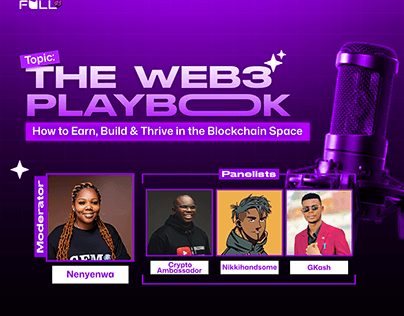
The Web3 Social Playbook works best as a clear sequence: define the constraint, compare the realistic options, test the tradeoff, and choose the path with the fewest hidden costs. That order keeps the advice usable instead of decorative. After each step, pause long enough to check whether the recommendation still fits the reader's actual situation. If it depends on perfect timing, unusual access, or a best-case budget, include a simpler fallback.


Common Mistakes in Web3 Creator Monetization
Many creators treat onchain identity as a marketing gimmick rather than infrastructure. This approach leads to weak options that fail to retain audiences or generate sustainable revenue. Understanding why previous iterations struggled is essential before launching new strategies.
Relying on Vanity Metrics Over Owned Assets
Web3 social refers to decentralized social networking protocols and platforms where users own their social graphs, content, and reputation. However, many creators still chase vanity metrics like follower counts on centralized platforms. This is a critical mistake because those followers do not belong to the creator. In Web3, the value lies in owning the relationship. If a platform shuts down, your audience disappears with it.
Ignoring Technical Architecture and Security
The reason many early Web 3.0 projects failed was due to weak technical architecture, poor security practices, and unclear business models. Innovation without structure leads to instability. Creators must prioritize robust smart contract audits and user-friendly onboarding. If the technology is too complex, users will abandon the platform before monetization can occur. Security is not optional; it is the foundation of trust.
Choosing Platforms with Unclear Value Propositions
Selecting a Web3 social platform requires scrutiny. Look for clear revenue splits and transparent fee structures. Avoid platforms that promise high returns without explaining the underlying tokenomics. As noted by J.P. Morgan’s Kinexys, successful Web3 social commerce integrates functionalities that allow users to discover and build trust. If the platform doesn’t facilitate genuine connection, monetization will remain elusive.
Web3 social strategy: what to check next
Helpful gear
Use these product recommendations as a starting point, then choose the size, material, and price point that fit how you actually use the gear.


As an Amazon Associate, we may earn from qualifying purchases.
No comments yet. Be the first to share your thoughts!