Why onchain identity changes creator economics
Web2 social platforms operate on an attention economy where creators are essentially renters. They build audiences on infrastructure they don’t own, subject to algorithmic shifts and platform policy changes that can erase their livelihood overnight. In this model, the platform captures the majority of the value generated by user engagement and content creation.
Onchain identity flips this dynamic by establishing ownership as the foundational asset. Web3 social protocols allow creators to own their social graph, content, and reputation directly on the blockchain src-serp-4. This ownership transforms social capital into a transferable, monetizable asset. Instead of relying solely on ad revenue or brand deals mediated by a central authority, creators can leverage their verified onchain history to access new monetization streams, such as token-gated communities or direct fan support.
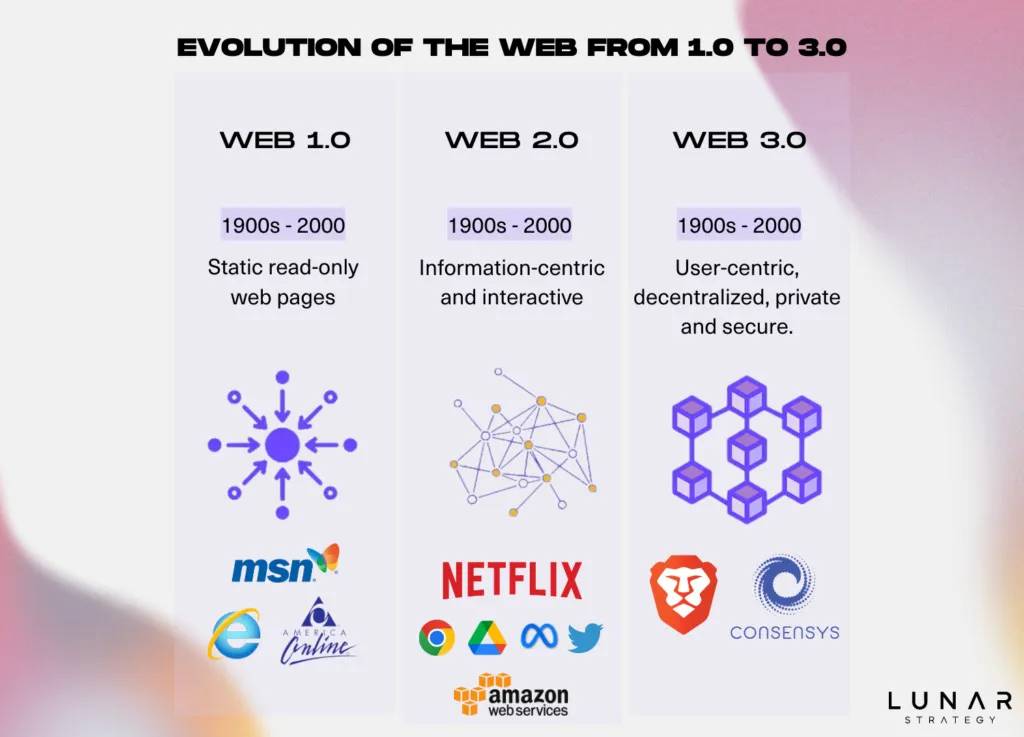
This shift is part of a broader paradigm change in social commerce. As noted by J.P. Morgan’s Kinexys report, the transition from Web2 to Web3 represents a new era where digital presence is not just a liability for the platform, but an equity stake for the user src-serp-2. For creators, this means their identity is no longer ephemeral data but a permanent, verifiable credential that carries economic weight.
The implications for web3 social strategy are profound. When identity is onchain, trust is programmable. Creators can prove their authenticity and engagement history without relying on third-party verification services. This reduces friction in monetization, allowing for more direct and transparent relationships with their audience. The market environment reflects this potential, with significant capital flowing into projects that prioritize user ownership and decentralized governance.
Top web3 social platforms for creator growth
Choosing the right protocol is the first step in a web3 social strategy. Unlike Web2, where algorithms dictate reach, these platforms let you own your audience graph and monetize directly through onchain mechanisms. Here are the primary venues where creators are currently building sustainable revenue streams.
Lens Protocol
Lens is a composable social graph built on Polygon. Think of it as the "social operating system" for web3: you build your audience here, and that audience travels with you to any app that reads the Lens protocol. For creators, this means you aren't locked into a single interface. You can mint posts as NFTs, create gated content, and earn from subscriptions while maintaining ownership of your social graph.
Farcaster
Farcaster prioritizes high-fidelity discussion over viral noise. It operates as a decentralized social protocol where identity is anchored to your Ethereum wallet. Creators on Farcaster benefit from a "frames" feature that allows interactive mini-apps to live directly inside posts. This turns static posts into engagement points where you can distribute tokens, sell digital goods, or collect feedback without ever leaving the app.
Mirror
Mirror is the publishing layer of the web3 creator economy. It turns every article into a collectible NFT. If you are a writer or long-form thinker, Mirror allows you to mint your posts, sell editions, and enable tipping in crypto. It integrates seamlessly with Lens, meaning your readers can follow you from your articles directly to your social feed, creating a closed loop for monetization and community building.
Comparison of Top Platforms
The table below compares how these protocols handle audience ownership and monetization mechanics.
| Platform | Audience Graph | Monetization Method |
|---|---|---|
| Lens Protocol | Composable (portable across apps) | NFT posts, subscriptions, tips |
| Farcaster | Protocol-anchored (wallet-based) | Frames, token airdrops, tips |
| Mirror | Article-centric (NFT-based) | Minting posts, editions, direct tips |
Leveraging AI agents for automated engagement
Use this section to make the Web3 Social Strategy decision easier to compare in real life, not just on paper. Start with the reader's actual constraint, then separate must-have requirements from details that are merely nice to have. A practical choice should survive normal use, maintenance, timing, and budget. If a recommendation only works in an ideal situation, call that out plainly and give the reader a fallback path.
The simplest way to use this section is to write down the must-have criteria first, then compare each option against those criteria before weighing nice-to-have features.
Monetization models beyond simple tips
Tipping is the entry point, but it is not the business model. In the Web3 creator economy, value accrues through ownership and access. DeSoc platforms are shifting the paradigm from passive consumption to active participation, allowing creators to capture value that social media giants usually keep. This shift creates novel revenue streams that define a robust web3 social strategy, moving beyond one-off transactions into sustainable economic relationships with your audience.
Token-gated content and access
The most direct way to monetize loyalty is by locking content behind a wallet key. Instead of a static paywall, creators can issue tokens or NFTs that serve as membership cards. Holding the token grants access to exclusive posts, private channels, or early drops. This model aligns incentives: holders benefit from the creator’s success, and the creator builds a dedicated, paying community. It transforms followers into stakeholders who are financially invested in the content’s longevity.
Subscription NFTs and recurring value
Subscription NFTs solve the friction of recurring payments in a wallet-native world. These are dynamic NFTs that update their metadata to reflect the current subscription status. When a user pays, the NFT’s state changes, granting ongoing access until the term expires or is renewed. This approach reduces churn by making membership a visible, tradable asset. If a subscriber leaves, they can sell the NFT to someone else, potentially recouping some value, which makes the initial commitment feel less risky to the buyer.
Revenue-sharing protocols
Advanced Web3 social strategy involves sharing the upside with early supporters through revenue-sharing protocols. Platforms like Kinexys note that this era of social commerce allows for new economic structures where value is distributed more equitably. Creators can airdrop a percentage of future revenue or platform governance tokens to their top contributors. This creates a flywheel effect: early backers are rewarded as the platform grows, encouraging them to promote the creator’s work to others. It turns marketing into a shared economic activity rather than a cost center.
No comments yet. Be the first to share your thoughts!