Budget Fit for Web3 Social Tools
Picking the right Web3 social tools depends on matching your budget to your actual needs. You do not need the most expensive hardware or software to start creating onchain content. Many platforms offer free tiers that include basic content ownership and token incentives. Start with these free options to test your workflow before spending money.
If you plan to scale, look for tools that offer clear upgrades. Check what features you get at each price point. Avoid paying for advanced analytics or custom branding if you are just starting out. Focus on tools that let you own your audience and content without hidden fees. This approach keeps your initial costs low while you learn the ropes.
Consider the long-term value of each tool. Some platforms charge monthly subscriptions, while others take a percentage of your earnings. Calculate which model works best for your expected income. A tool that costs less upfront might take a larger cut of your profits later. Weigh these tradeoffs carefully to find the best fit for your specific situation.



As an Amazon Associate, we may earn from qualifying purchases.
Shortlist real options
Choosing the right Web3 social platform depends on how you plan to monetize your content. Unlike traditional social media, these platforms give you ownership of your social graph and data. This means your followers and reputation move with you, not the app.
We compared the strongest contenders based on monetization potential, audience size, and technical ease of use. Each tool serves a different creator need, from direct tipping to building a loyal community through token-gated access.
Lens Protocol
Lens is a decentralized social graph built on Polygon. It allows creators to own their profiles and posts as NFTs. This makes it easy to build apps on top of your social identity. It is ideal for creators who want to experiment with new monetization models without being locked into one platform.
Farcaster
Farcaster focuses on fast, reliable messaging with a decentralized protocol. It has gained traction among crypto-native users and developers. The platform supports apps like Warpcast, which offer easy tipping and subscription features. It is best for creators who value speed and a tight-knit, early-adopter community.
Friend.tech
Friend.tech operates on Base and uses a unique "keys" system. Users buy keys to access private chats or content from creators. This creates a direct, transactional relationship between fans and creators. It is highly effective for viral growth and quick monetization, though it can feel ephemeral compared to long-form social graphs.
Mirror
Mirror is a decentralized publishing platform that treats content as collectibles. Authors can issue tokens for their posts, allowing readers to invest in their work. This model is powerful for writers and journalists who want to align their incentives with their audience. It is less about daily chatting and more about deep, valuable content.
| Platform | Best For | Monetization Model | Blockchain |
|---|---|---|---|
| Lens Protocol | Building a portable social graph | NFT profiles, app-based tips | Polygon |
| Farcaster | Real-time crypto-native chat | Subscriptions, tips via Warpcast | Optimism |
| Friend.tech | Viral, transactional growth | Buying/selling access keys | Base |
| Mirror | Long-form writers and journalists | Token-gated posts, collectibles | Base |
These platforms are not mutually exclusive. Many successful Web3 creators maintain a presence on Lens for their social graph, use Farcaster for daily engagement, and publish long-form content on Mirror. The key is to start where your audience already is and gradually expand your monetization tools.
Inspect the expensive parts
Before committing capital or reputation to onchain monetization, audit your technical stack. Web3 social tools shift risk from platform bans to user error. A single misconfigured wallet or expired signature can freeze assets or expose private keys. This checklist targets the failure points that cost creators the most time and money.
Test your recovery phrase on a separate, offline device. Ensure you can restore access without internet connectivity. If a platform requires seed phrase entry, abort immediately; this is a critical security failure.
Revoke unnecessary token allowances using tools like RevokeCash. Unlimited approvals for dApps allow smart contracts to drain wallets if the contract is compromised. Set strict limits for any new onchain tool.
Monitor network congestion before minting or transacting. High gas fees can erase small creator earnings. Use layer-2 solutions or off-peak hours to minimize transaction costs and ensure your monetization strategy remains profitable.

Review the specific permissions a dApp requests. Ensure the contract cannot transfer funds without your explicit approval for each transaction. Read the contract address on Etherscan before signing any interaction.
Plan for ownership costs
Buying a digital handle or building a profile on a decentralized protocol is only the first transaction. Unlike traditional social media, where your account is a free service provided in exchange for data, Web3 social platforms often require you to fund the infrastructure that hosts your content. This shift from "free to use" to "pay for storage" creates a different kind of ownership—one that comes with ongoing maintenance costs.
The most common surprise for new creators is the cost of on-chain data. While posting a simple text update might cost pennies in gas fees, storing richer content like images, videos, or metadata often requires using decentralized storage networks like IPFS or Arweave. These services charge small, recurring fees to ensure your content remains accessible. If you don't maintain these payments, your content may become inaccessible, effectively deleting your digital presence.
Consider the difference between a rented apartment and a house with a mortgage. On traditional platforms, you are a tenant; if you stop paying attention (engagement), the landlord (the platform) can evict you at any time. In Web3, you are a homeowner. You have full control, but you are also responsible for the repairs, insurance, and taxes. A cheap domain name might seem like a bargain, but if the annual renewal fees for your storage nodes exceed your revenue, the asset becomes a liability.
Before committing to a platform, check its storage model. Does it bundle storage into a one-time fee, or does it require monthly subscriptions? Understanding these recurring costs helps you determine if the ownership model is sustainable for your long-term strategy.



As an Amazon Associate, we may earn from qualifying purchases.
Web3 social: what to check next
What is Web3 social?
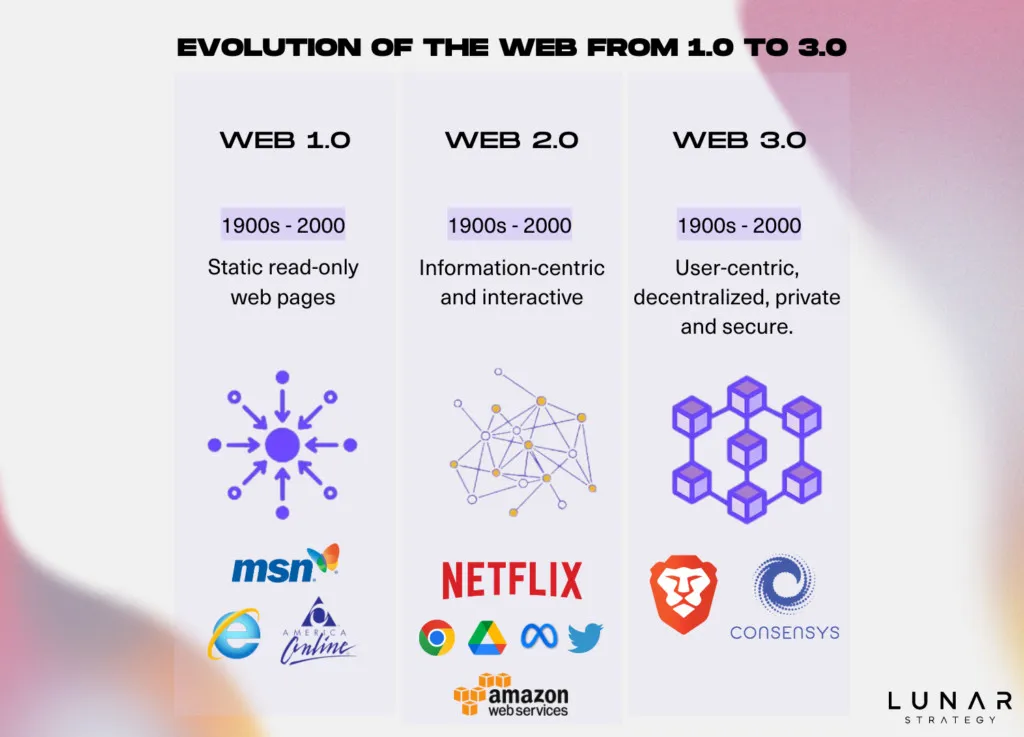
Web3 social refers to decentralized social networking protocols and platforms where users own their social graphs, content, and reputation. Unlike traditional platforms that hold your data, Web3 social stacks typically consist of four layers: hosting, social primitives, profile, and applications. This structure allows you to take your audience and content with you across different apps, ensuring you retain control over your digital presence.
What does Elon Musk think of Web3?
Elon Musk has frequently expressed skepticism toward Web3, particularly regarding NFTs and the broader crypto ecosystem. He has described NFTs as "stupid" and criticized the environmental impact of proof-of-work blockchains. While he supports the underlying technology of blockchain for transactions, he remains critical of the speculative nature of many Web3 social projects and the hype surrounding digital ownership.
Why did Web 3.0 fail?
Web3 has not failed, but it has struggled to gain mainstream adoption due to high barriers to entry. Issues like complex wallet management, gas fees, and poor user experience have slowed growth. Additionally, many early projects focused on speculation rather than utility, leading to a loss of trust. The sector is now maturing, with a focus on building practical tools that offer tangible benefits over Web2 alternatives.
How can I make money from Web3?
Creators can monetize Web3 social platforms by leveraging token incentives, NFTs, and direct tipping. Many platforms reward users with tokens for posting, commenting, and curating content. You can also sell exclusive digital content as NFTs or offer paid subscriptions to dedicated followers. This model allows you to earn directly from your community without relying on ad revenue or platform intermediaries.
No comments yet. Be the first to share your thoughts!