Defining the web3 social strategy
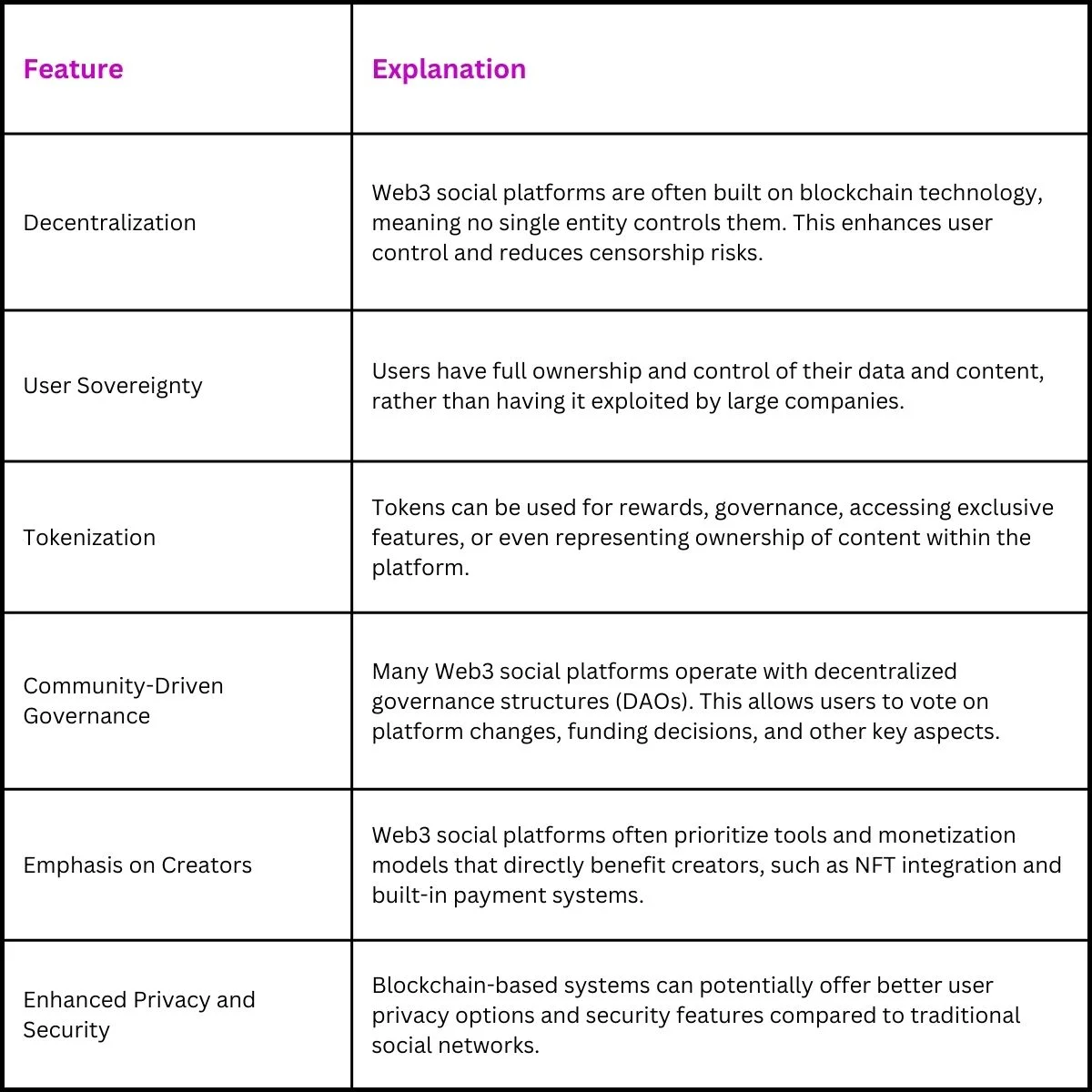
Web3 social strategy is not just about crypto tokens; it is about owning the social graph and data to build durable creator-audience relationships. Traditional social media platforms act as gatekeepers, controlling who sees your content and how you monetize it. In contrast, web3 social platforms let you own your identity, data, and audience across apps while connecting with high-signal communities like developers and traders.
At its core, this strategy shifts ownership from platforms to creators. According to Gitcoin, web3 social refers to decentralized social networking protocols where users own their social graphs, content, and reputation. This ownership means your digital presence isn't tied to a single corporation's terms of service or algorithm changes. Instead, it is a portable asset that you can take with you to any compatible application.
The practical application of this strategy involves token-gated interactions and onchain identity. By linking your wallet to your social presence, you can create exclusive experiences for your most loyal supporters. This direct relationship allows for monetization through memberships, exclusive content, and community access without the platform taking a significant cut. It transforms social capital into a tangible, tradable, and defensible asset.
This approach requires a different mindset than traditional influencer marketing. You are not just broadcasting to an audience; you are building a community of co-owners. The value lies in the network effect of your owned graph, which grows more valuable as more participants join and contribute. This creates a resilient foundation for long-term engagement and revenue, independent of volatile market trends or platform policy shifts.
Market momentum in web3 social strategy
The infrastructure for onchain identity is no longer a niche experiment; it is scaling rapidly. Market projections indicate that the web3 social media platforms sector could reach approximately $471 billion by 2034, growing from a $7.2 billion base in 2024. This trajectory, representing a compound annual growth rate of nearly 52%, signals a structural shift rather than a temporary hype cycle.
For a web3 social strategy, this growth is driven by the migration of social graphs, content ownership, and reputation onto public ledgers. Users and creators are increasingly demanding token-gated access and verifiable digital identity, moving away from the walled gardens of Web2. The economic value here lies in the ability to monetize these onchain interactions directly, creating a new layer of social commerce.
To understand the broader market context, it helps to look at the performance of assets tied to this ecosystem. While specific social tokens can be volatile, the underlying infrastructure investments reflect serious institutional interest.
Protocol vs. application layers
Choosing the right infrastructure for your web3 social strategy requires understanding the divide between raw protocol and polished application. One layer builds the rails; the other builds the train.
Protocol-level infrastructure
Protocols like ENS and Farcaster operate at the base layer, providing the foundational social graph and identity standards. These are the building blocks that allow for true ownership of your digital reputation. If you are building a brand that needs to move across platforms without losing its audience, protocols are your anchor.
- Ownership: You hold the keys. Your identity is not rented from a corporate server.
- Liquidity: Direct integration with wallets and onchain assets.
- Monetization: Flexible but requires technical setup to implement token-gating or payments.
Application-level dApps
Applications like Lens or Farcaster clients (Warpcast) wrap the protocol in a user-friendly interface. They handle the complexity of gas fees and technical onboarding, allowing creators to focus on content and community. These platforms are essential for reaching mainstream audiences who are not yet crypto-native.
- Ownership: Derivative. You control your data, but the platform controls the user experience.
- Liquidity: Often limited to the specific ecosystem of the app.
- Monetization: Easier to set up with built-in tips, subscriptions, or NFT drops.
Side-by-side comparison
| Feature | Protocol Layer (e.g., ENS, Farcaster) | Application Layer (e.g., Warpcast, Lens) |
|---|---|---|
| Data Ownership | Full control; portable across apps | Controlled by app; portable via API |
| User Experience | Technical; requires wallet management | Polished; familiar social media feel |
| Monetization Ease | Low (requires custom integration) | High (built-in tools and features) |
| Interoperability | High (works with any compatible app) | Low (locked to specific ecosystem) |
| Primary Use Case | Identity, reputation, cross-platform | Content creation, community building |
The best web3 social strategy often combines both. Use protocols to establish your immutable identity and reputation, then leverage applications to distribute your content and engage with your audience. This hybrid approach ensures you own your assets while still accessing the network effects of popular platforms.
| Feature | Protocol Layer | App Layer |
|---|---|---|
| Data Ownership | Full control | App-controlled |
| UX Complexity | High | Low |
| Monetization | Custom | Built-in |
| Portability | High | Limited |
Executing the monetization workflow
Turning a web3 social strategy into revenue requires moving from passive identity to active infrastructure. Unlike traditional platforms where you rent an audience, onchain tools let you own the relationship. The following workflow outlines how to structure your digital presence for direct monetization.
Your onchain identity starts with a human-readable handle. Secure an ENS (Ethereum Name Service) domain that matches your creator brand. This serves as your primary address for receiving payments and linking your social profiles across decentralized platforms.
Convert your best work into digital assets. Minting content as NFTs allows you to sell direct access to archives, exclusive tutorials, or early releases. This transforms your social graph into a transactional asset where fans own a piece of your history.
Create a private space for your most engaged followers. Use token-gating to restrict access to Discord or Telegram channels to holders of your NFTs. This filters for high-intent supporters who are willing to pay for direct interaction with you.
Link your community to commerce tools that accept crypto. JPMorgan notes that web3 social commerce enables users to build trust while transacting directly. Allow supporters to buy merch, books, or consulting sessions using stablecoins or native tokens without traditional payment processor fees.
The chart above illustrates the volatility inherent in social tokens and public web3 equities. While your direct monetization relies on stablecoin transactions, understanding the broader market sentiment helps you time product launches and community growth phases effectively.
common questions on web3 social strategy
The landscape of onchain identity shifts quickly, making it easy to confuse hype with utility. Understanding the mechanics of the social graph and token-gated access is essential for building a sustainable web3 social strategy.
No comments yet. Be the first to share your thoughts!