Web3 social strategy limits to account for
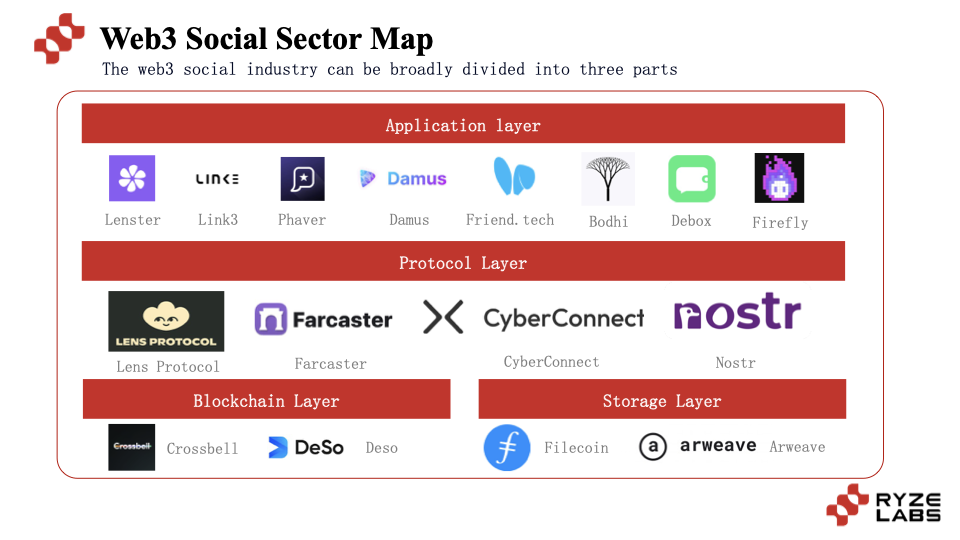
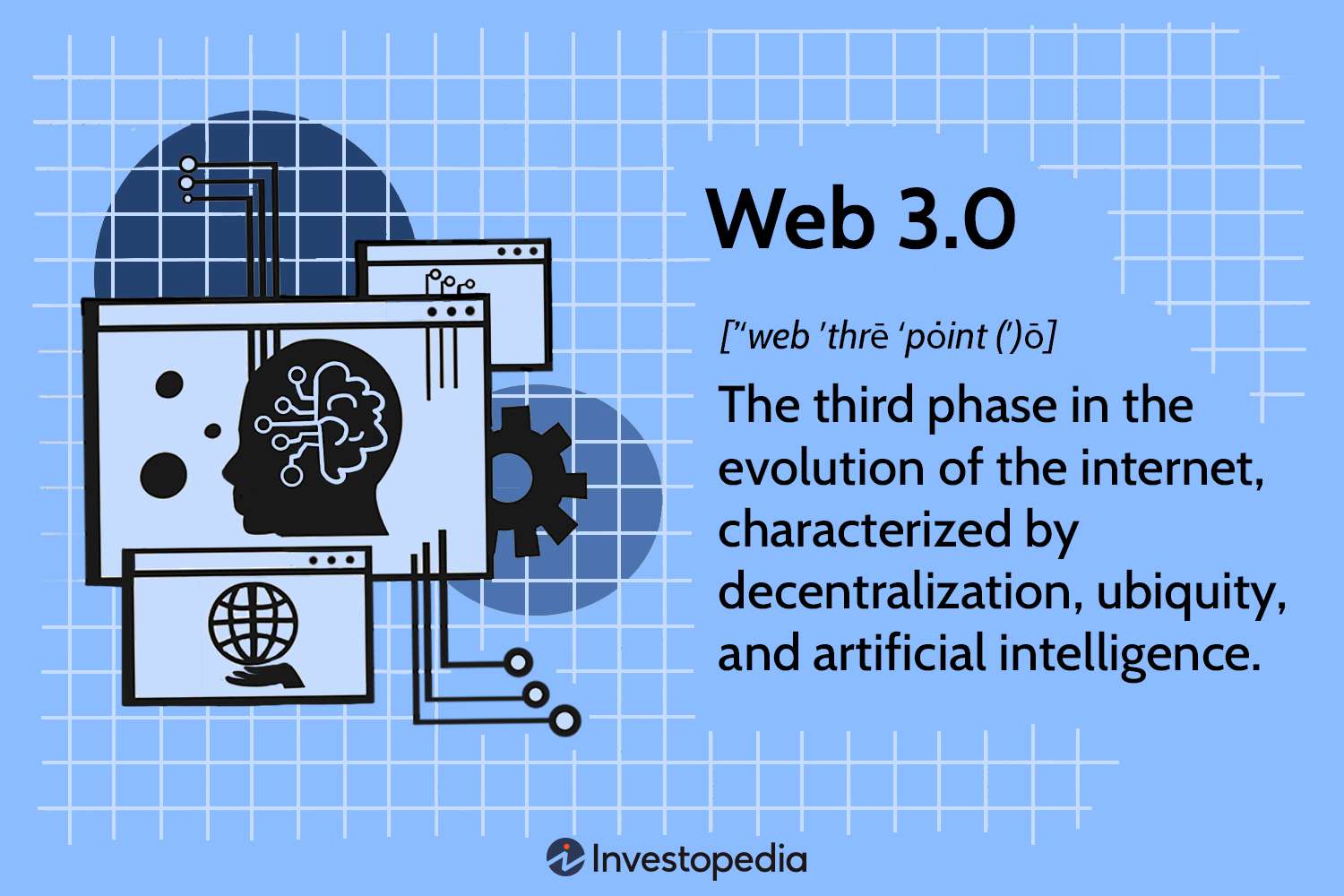
Web3 social refers to decentralized social networking protocols and platforms where users own their social graphs, content, and reputation [1]. This ownership model creates a distinct strategic constraint: you cannot rely on platform algorithms to distribute your content. Instead, you must build an ecosystem where members become advocates and token holders [2].
Most Web3 social media marketing treats communities like audiences to farm for engagement. The shift requires a different approach. You need targeted strategies that attract users and build trust through community engagement and authentic partnerships [3].
Successful web3 social strategy focuses on proving participation. Blockchain-verified proof allows communities to create events and reward genuine interaction [2]. This verification replaces the vanity metrics of Web2, giving creators a tangible asset base to monetize.
The core of the strategy is shifting from audience farming to ecosystem building. When your community holds your token or NFT, their incentives align with your success. This alignment is the primary driver of sustainable growth in the onchain identity space.
Web3 social strategy choices that change the plan
Choosing a Web3 social strategy requires balancing data ownership against user friction. Unlike traditional platforms where algorithms dictate reach, onchain identity shifts control to the user but demands they manage keys and gas fees. This structural difference creates distinct tradeoffs for creators monetizing their audience.
Data Ownership vs. User Friction
Onchain platforms like Farcaster or Lens Protocol give creators permanent ownership of their social graph. If one app shuts down, the creator can migrate their followers to another interface without losing their audience. This resilience is valuable for long-term brand equity. However, the onboarding cost is high. New users must navigate wallet setup, seed phrase security, and transaction fees. This friction limits mass adoption to niche, crypto-native communities rather than the general public.
Algorithmic Reach vs. Community Verification
Traditional social media relies on opaque algorithms to distribute content, often prioritizing engagement bait over quality. Web3 social media platforms replace these black boxes with verifiable proof of participation. Creators build trust by proving their audience’s authenticity through blockchain-verified interactions. This transparency attracts high-intent users and brands willing to pay for verified engagement. The tradeoff is slower growth, as viral loops are less aggressive than those on centralized networks.
Monetization Models
Web3 creators monetize through direct token incentives, NFT-based memberships, or decentralized ad protocols. This removes the platform’s revenue share, allowing creators to keep most earnings. However, it requires building a tokenomic strategy that aligns community incentives with creator goals. Poorly designed tokenomics can lead to speculative dumping rather than sustainable loyalty. Success depends on treating communities as advocates rather than audiences to farm for engagement.
| Factor | Centralized (Web2) | Decentralized (Web3) | Best For |
|---|---|---|---|
| Data Ownership | Platform-owned | User-owned | Long-term brand equity |
| Onboarding | Email/Phone | Wallet/Seed Phrase | Mass audience reach |
| Monetization | Ad revenue share | Direct token/NFT | Creator income retention |
| Growth Speed | Viral algorithms | Community verification | High-intent communities |
Choose the next step
Web3 Social Analysis works best as a clear sequence: define the constraint, compare the realistic options, test the tradeoff, and choose the path with the fewest hidden costs. That order keeps the advice usable instead of decorative. After each step, pause long enough to check whether the recommendation still fits the reader's actual situation. If it depends on perfect timing, unusual access, or a best-case budget, include a simpler fallback.
Spotting Misleading Claims in Web3 Social
The Web3 social narrative is crowded with overpromises. As the sector matures into 2026, distinguishing genuine infrastructure from marketing fluff becomes critical for creators and investors. Many platforms still treat communities as engagement farms rather than building sustainable ecosystems.
"Ownership" Without Real Control
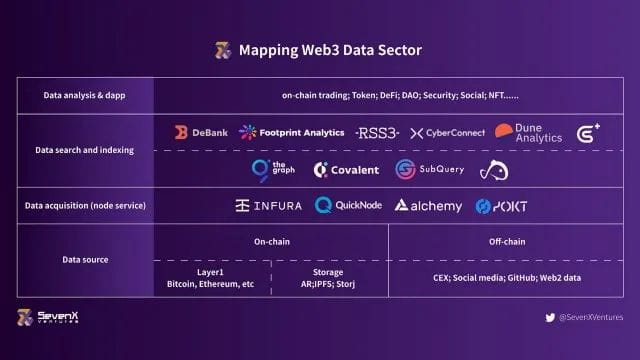
Many platforms claim users own their data, but the reality often involves restrictive terms of service or centralized backend servers. True ownership means your social graph and content are stored on-chain or in decentralized storage like IPFS. If you can’t export your data or move to another protocol, you don’t own it.
Engagement Farming vs. Advocacy
A common trap is mistaking vanity metrics for value. Some Web3 social initiatives incentivize likes and shares with tokens, creating artificial activity that doesn’t translate to real-world impact. Look for platforms that reward meaningful participation, such as governance votes or content curation, rather than just click-throughs. As noted by industry analysts, successful Web3 marketing builds advocates, not just audiences.
Token Promises vs. Utility
Be wary of projects that promise immediate financial returns for social activity. Sustainable Web3 social platforms focus on utility: access to exclusive content, governance rights, or verified reputation scores. If a platform’s primary value proposition is speculation rather than utility, it’s likely a short-term pump. Always check the tokenomics and vesting schedules to understand how value is actually distributed to creators.
Web3 social strategy: what to check next
Before committing time to onchain identity, it helps to clear up the practical mechanics of the space. This section addresses the most common questions creators and marketers ask when evaluating Web3 social infrastructure.
Helpful gear
Use these product recommendations as a starting point, then choose the size, material, and price point that fit how you actually use the gear.


As an Amazon Associate, we may earn from qualifying purchases.
No comments yet. Be the first to share your thoughts!