The Web3 Social Stack Explained
Understanding how Web3 social works helps you see where the money flows. Traditional platforms keep your data in walled gardens, but the Web3 social stack splits the infrastructure into distinct layers. This separation is why onchain identity matters for monetization: you own the graph, the content, and the reputation, not the app developer.
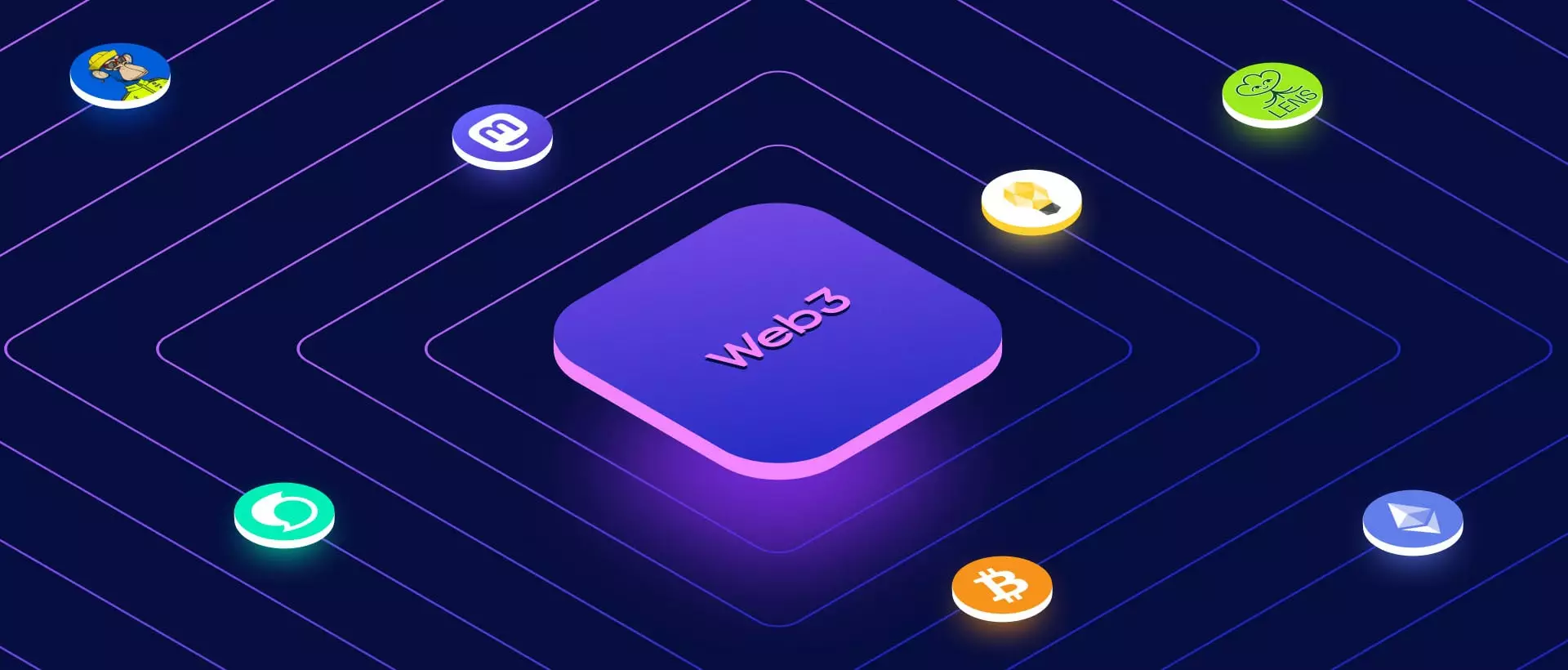
The stack typically consists of four layers:
- Hosting: Where the data lives. This is often decentralized storage like IPFS or Arweave, ensuring your posts aren't deleted by a central server.
- Social Primitives: The underlying protocols that handle interactions like follows, likes, and messages. These are the building blocks that apps use to function.
- Profile: The onchain identity layer. This connects your wallet address to a human-readable name and social graph, allowing you to port your reputation across different apps.
- Applications: The front-end interfaces you actually use, such as Farcaster or Lens Protocol clients. These apps pull data from the layers below to display your feed.
This modular approach means you aren't locked into one platform. If a new app with better monetization tools launches, you can connect your existing profile and followers without starting from scratch. For creators, this portability is the key to building sustainable income streams.
To see the market context for this ecosystem, here is the price action for $ENS, a major token in the Web3 social space:
Top decentralized platforms for creators
Choosing the right Web3 social platform depends on how you want to earn. Some networks focus on direct tipping, while others rely on subscriptions or NFT communities. Understanding these differences helps you pick a place where your audience already spends time.
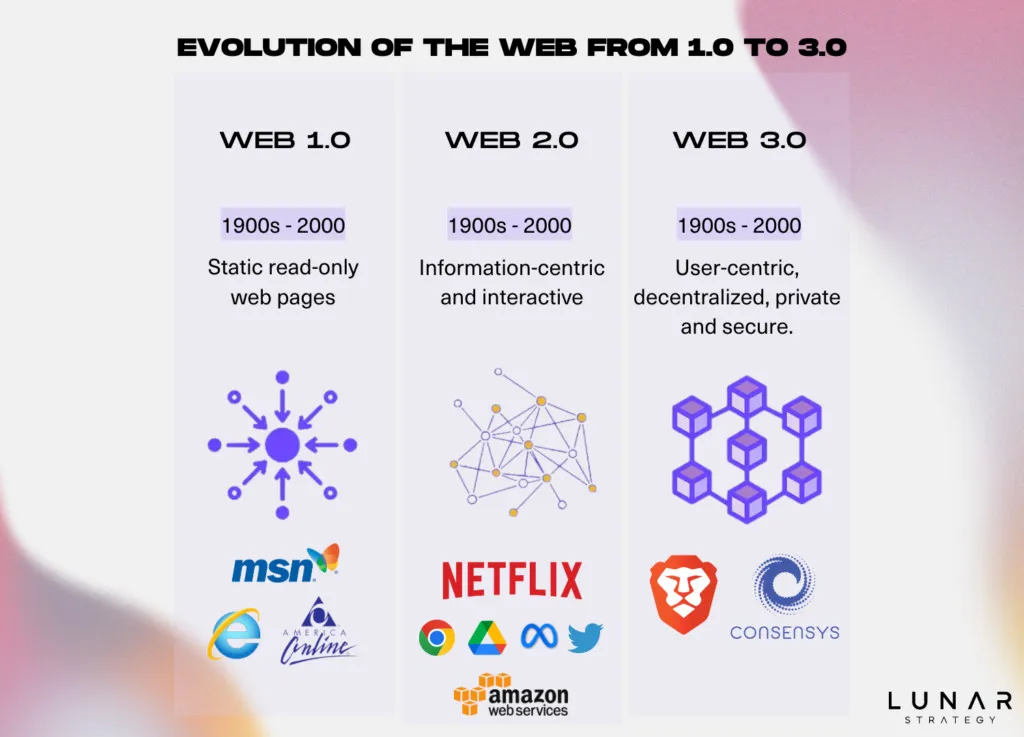
The landscape is split between established players and newer entrants. Below is a comparison of the most active Web3 social dApps in 2026. Each has a different approach to content ownership and monetization.
| Platform | Primary Monetization | Content Ownership | Native Token |
|---|---|---|---|
| Lens Protocol | Tips, Subscriptions, NFTs | Full ownership via Profiles | Lens Token (upcoming) |
| Farcaster | Frames, Tips, Sponsorships | Data stored on Warpcast | No native token yet |
| Audius | Streaming Royalties, Tips | Creator-controlled rights | AUDIO |
| Mirror | NFT Publications, Subscriptions | IPFS-hosted essays | No native token |
| SocialFX | Subscription tiers, Ads | User-owned profiles | SFX |
Most of these platforms are still building their economies. This means early creators often get better visibility and lower fees. However, it also means the rules can change as the networks grow.
How Creators Actually Make Money
The biggest change in Web3 Social is who keeps the cash. In traditional Web2, platforms act as gatekeepers, taking a large cut of ad revenue and controlling access to your audience. In a Web3 Social guide, we focus on models where value flows directly from fans to creators, removing the middleman.
Token-Gated Content
Think of a token-gated channel like an exclusive club. Fans buy a specific NFT or token to get a digital key. This key unlocks private feeds, early access to drops, or members-only chat rooms. It is not just about exclusivity; it creates a community of people who have skin in the game. Because the content is tied to an asset, fans feel more invested in your success, and you get paid upfront rather than waiting for ad impressions to accumulate.
Direct Tips and Microtransactions
Tipping in Web3 is instant and borderless. Instead of waiting for a monthly payout from a social network, fans can send cryptocurrency directly to your wallet with a single click. This is especially powerful for microtransactions. If you share a quick tip, a useful code snippet, or a hot take, fans can reward you immediately with small amounts of crypto. It turns every interaction into a potential revenue stream without the friction of credit card processing fees or platform approval windows.
AI Agent Interactions
The newest layer of monetization involves AI agents. Creators can train personal AI models that interact with fans 24/7. These agents can answer questions, provide personalized advice, or generate custom content based on the creator’s style. Fans pay a subscription or a per-message fee to interact with these agents. This scales your influence without requiring you to be online constantly, effectively turning your knowledge and personality into an automated product.
Essential Web3 Social Tools for Growth
Building a presence on a Web3 social platform is only half the battle. To actually grow your audience and monetize your content, you need the right stack of tools. Think of these tools as your backend engine—while the platform is the storefront, these utilities handle the heavy lifting of analytics, security, and automation.
Analytics and Dashboarding
You can’t improve what you don’t measure. Traditional social media offers basic engagement metrics, but Web3 requires a deeper look into onchain behavior. Tools like Dune Analytics or platform-specific dashboards let you track wallet interactions, token holdings, and holder distribution. This data helps you understand who your actual supporters are, rather than just counting likes.
Wallet Connectors and Security
Security is your first line of defense. Using reputable wallet connectors like MetaMask or Rainbow ensures you’re interacting with verified contracts and protecting your private keys. For creators handling significant revenue, a hardware wallet like the Ledger Nano X provides offline storage for your assets. It’s a small investment that prevents catastrophic losses from phishing attempts or smart contract vulnerabilities.
AI Agents for Community Management
The final piece of the puzzle is automation. AI agents can now moderate comments, answer common questions, and even distribute tokens to loyal community members. This allows you to scale your engagement without burning out. By delegating routine tasks to intelligent bots, you can focus on creating high-quality content and building genuine relationships with your core audience.

As an Amazon Associate, we may earn from qualifying purchases.
Starting Your Web3 Social Journey
Setting up your Web3 social identity doesn't require coding skills, but it does require a few specific tools. Think of it like opening a bank account: you need an ID (wallet), a branch (platform), and a way to handle transactions (wallet connection). Once these pieces are in place, you can start building your onchain presence.
Download a non-custodial wallet like MetaMask or Rabby. This acts as your login and digital signature. Keep your seed phrase offline and never share it. This wallet is your identity across all Web3 social platforms.
Visit a Web3 social platform like Lens Protocol or Farcaster. Connect your wallet to "mint" a profile. This creates an onchain record of your identity that you own, not the platform. You can now customize your bio and avatar permanently.
Most Web3 social features live in decentralized applications (dApps). Connect your wallet to a frontend like Lenster or Farcaster client apps. This bridges your wallet identity to the social interface, allowing you to post, like, and follow others.
Start sharing content. Unlike traditional social media, your posts are stored on the blockchain. This means they are immutable and portable. Engage with other creators to build a genuine network. Consistency matters more than follower count at this stage.

Once you have an audience, explore monetization tools. Many Web3 platforms support direct tipping, token-gated content, or NFT-based memberships. Set up your wallet to receive payments. You can also create your own digital collectibles to reward your community.
By following these steps, you establish a foundation for earning in the Web3 social guide landscape. Your identity is now yours, and your content can directly generate value.
Common web3 social: what to check next
Web3 social platforms give you ownership of your data and audience. Unlike traditional social media, these decentralized networks let you keep your social graph and reputation even if you leave one platform. This ownership model is foundational for creators looking to monetize directly.
What is Web3 social?
Web3 social refers to decentralized social networking protocols where users own their content and identity. Instead of renting an audience from a corporation, you hold the keys to your profile and followers. This shift allows for new monetization methods like token-gated communities and direct creator tipping.
How do I make money with Web3?
Monetization in Web3 goes beyond ads. Creators earn through token incentives, NFT drops, and subscription-based access to exclusive content. You can also earn by contributing to protocol governance or selling digital assets directly to your community without middlemen taking large cuts.
How to start Web3 as a beginner?
Start by setting up a non-custodial wallet like MetaMask. Fund it with some ETH or SOL to cover transaction fees. Then, join a few Web3 social apps like Lens or Farcaster to explore the ecosystem. Most platforms offer free onboarding, so you can experiment with posting and connecting before spending money.
No comments yet. Be the first to share your thoughts!