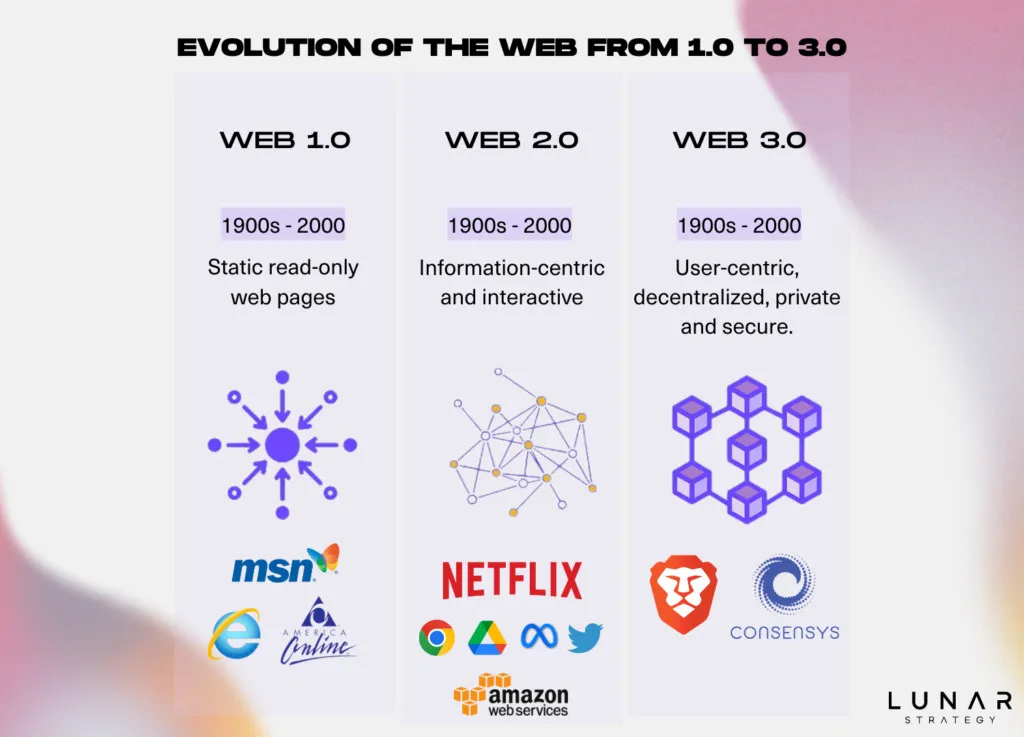
The web3 social limits to account for
The promise of Web3 social media is ownership, but the friction is real. Unlike Web2 platforms where algorithms handle distribution and ad tech handles monetization, Web3 requires users to actively manage their digital identity and content. This shift creates a distinct constraint: the burden of infrastructure sits on the creator, not the platform.
In a Web3 Social guide, this constraint manifests as a tradeoff between control and complexity. Users own their data and content, preventing censorship and enabling direct creator-to-fan relationships. However, this comes with the cost of wallet management, gas fees, and the need for new tools to discover content in a decentralized feed.
The core challenge for 2026 is not just building these platforms, but solving the "cold start" problem. Without centralized algorithms to personalize feeds, discovery relies on social graphs and on-chain reputation. This means early adopters must weigh the higher initial effort against the long-term benefit of owning their audience and revenue streams.
| Feature | Web2 | Web3 |
|---|---|---|
| Data Ownership | Platform-owned | User-owned |
| Monetization | Ad-revenue share | Direct tips & tokens |
| Censorship | Moderated by company | Resistant via decentralization |
Web3 social choices that change the plan
Moving to Web3 social platforms involves swapping centralized convenience for user-owned infrastructure. Creators must weigh the benefits of data sovereignty and censorship resistance against the friction of onchain interactions. The tradeoffs are not abstract; they directly impact how you build, monetize, and retain your audience in 2026.
The core tension lies between ownership and usability. Traditional platforms offer seamless experiences but retain control over your content and revenue. Web3 platforms give you ownership of your identity and content via onchain identity, but require managing wallets, gas fees, and fragmented liquidity. Understanding these concrete differences is essential for choosing the right stack.
| Factor | Web2 (Centralized) | Web3 (Decentralized) |
|---|---|---|
| Content Ownership | Platform owns data; risk of deplatforming | User owns content via IPFS/Arweave; immutable |
| Monetization Model | Ad revenue share; platform fees take 30-50% | Direct creator tokens; NFTs; lower fees via smart contracts |
| User Onboarding | Email/password; instant access | Wallet creation; seed phrase management; gas fees |
| Data Privacy | Data sold to advertisers; opaque algorithms | Self-sovereign identity; transparent onchain records |
| Censorship Resistance | High; subject to corporate policy changes | High; protocol-level immutability; hard to remove content |
Liquidity and Network Effects
Web2 platforms benefit from massive, centralized network effects. Your followers are already there. Web3 social platforms like Farcaster or Lens Protocol are growing but remain fragmented. Liquidity is split across multiple social tokens and NFTs, making it harder to achieve viral scale quickly. Creators must be willing to build from a smaller, more engaged audience.
Technical Friction
The user experience on Web3 social platforms is improving but still lags behind Web2. Users must manage private keys, understand gas fees, and navigate wallet signatures. This friction can deter casual users. However, account abstraction and social recovery solutions are reducing this barrier. For creators, this means your audience must be technically literate or willing to learn.
Choose the right web3 social platform
Selecting a web3 social platform requires matching your monetization goals with the underlying technology. The landscape splits into two distinct categories: content-focused networks and social protocol layers. Each serves a different creator workflow, and mixing them up often leads to poor user adoption or fragmented revenue streams.
Content-first networks
Platforms like Farcaster, Lens Protocol, and Friend.tech prioritize immediate creator monetization through direct interactions. These networks offer built-in audiences and intuitive interfaces that lower the barrier for entry. You can launch a profile and start earning within hours without managing complex infrastructure.
However, this convenience comes with trade-offs. These platforms often control the data architecture and may impose fees on transactions. If your primary goal is quick cash flow from tips or tokenized posts, this route offers the fastest path to revenue.
Protocol-based social graphs
For creators seeking long-term asset ownership, protocol-based platforms like Bluesky or Mastodon provide greater independence. These networks allow you to port your social graph and content across different front-end applications. This flexibility ensures that your audience follows you, not just the platform.
The downside is a steeper learning curve. You must manage your own identity and data storage, which requires technical comfort. This path is ideal for creators who view their social presence as a permanent digital asset rather than a temporary marketing channel.
Key decision factors
When comparing options, evaluate three core metrics: liquidity, interoperability, and governance. High liquidity ensures that your content has a ready market for tips and tokens. Interoperability determines how easily you can move between apps without losing followers. Governance models dictate who controls the rules and fee structures.
Avoid platforms with low daily active users, regardless of their technological sophistication. A robust protocol with no community is less valuable than a simpler network with an engaged audience. Test the platform with a small batch of content before committing your full strategy.


As an Amazon Associate, we may earn from qualifying purchases.
Spotting Weak Web3 Social Options
Many Web3 social platforms promise creator monetization through AI agents and onchain identity, but the reality often falls short. The market is flooded with projects that prioritize hype over sustainable revenue models, leaving creators stuck with low engagement and illiquid tokens.
Empty Token Incentives
Several platforms rely on native tokens to reward content creation, but these tokens often lack utility beyond speculation. Without real demand from advertisers or users, the token price crashes, wiping out creator earnings. Always check if the token has actual use cases in the ecosystem, such as paying for premium features or accessing exclusive content.
Misleading AI Claims
Some projects claim their AI agents automate content creation and distribution, but these tools are often basic text generators with no real engagement value. Creators need AI that can analyze audience data and optimize posting times, not just generate generic posts. Verify that the AI tools are integrated with real analytics and provide actionable insights.
Onchain Identity Barriers
While onchain identity offers censorship resistance, it can also create friction for new users. Complex wallet setups and gas fees deter mainstream adoption, limiting the audience for creators. Look for platforms that offer seamless onboarding, such as social login options and gasless transactions, to ensure your content reaches a broader audience.
Web3 social: what to check next
How do AI agents actually help creators monetize on Web3? AI agents act as autonomous assistants that manage interactions, distribute content, and handle transactions across onchain profiles. Instead of manually engaging with followers, creators can deploy agents to nurture communities, execute tip jars, or sell digital goods 24/7. This automation scales personal connection without burning out the creator, turning passive followers into active patrons.
Is onchain identity necessary for serious monetization? Onchain identity serves as your portable reputation. Unlike centralized platforms where your audience is locked inside an app, onchain profiles let you carry your followers, content, and earned tokens across different Web3 social apps. This portability ensures that your monetization efforts aren't tied to a single company's algorithm changes or policy shifts.
What are the main risks of using Web3 social tools? The primary risks involve smart contract vulnerabilities and regulatory uncertainty. Since many platforms rely on code for payments and content ownership, bugs can lead to lost funds or stolen content. Additionally, the legal status of creator tokens and AI-generated content varies by jurisdiction, so understanding local laws is essential before launching a monetization strategy.
How does this differ from traditional social media monetization? Traditional platforms take a significant cut of ad revenue and control who sees your content. Web3 social models often use direct token rewards, NFT sales, or subscription-based access via smart contracts. This shift reduces platform dependency, allowing creators to retain a larger share of earnings and build direct financial relationships with their audience.
No comments yet. Be the first to share your thoughts!