The web3 social strategy limits to account for
Building a monetizable onchain identity requires navigating a fragmented ecosystem. While platforms like Farcaster, Lens Protocol, and Zealy offer tools for engagement, they operate on different chains and incentive structures. For a strategy focused on Solana and Base, the primary constraint is not access to technology, but the lack of unified liquidity.
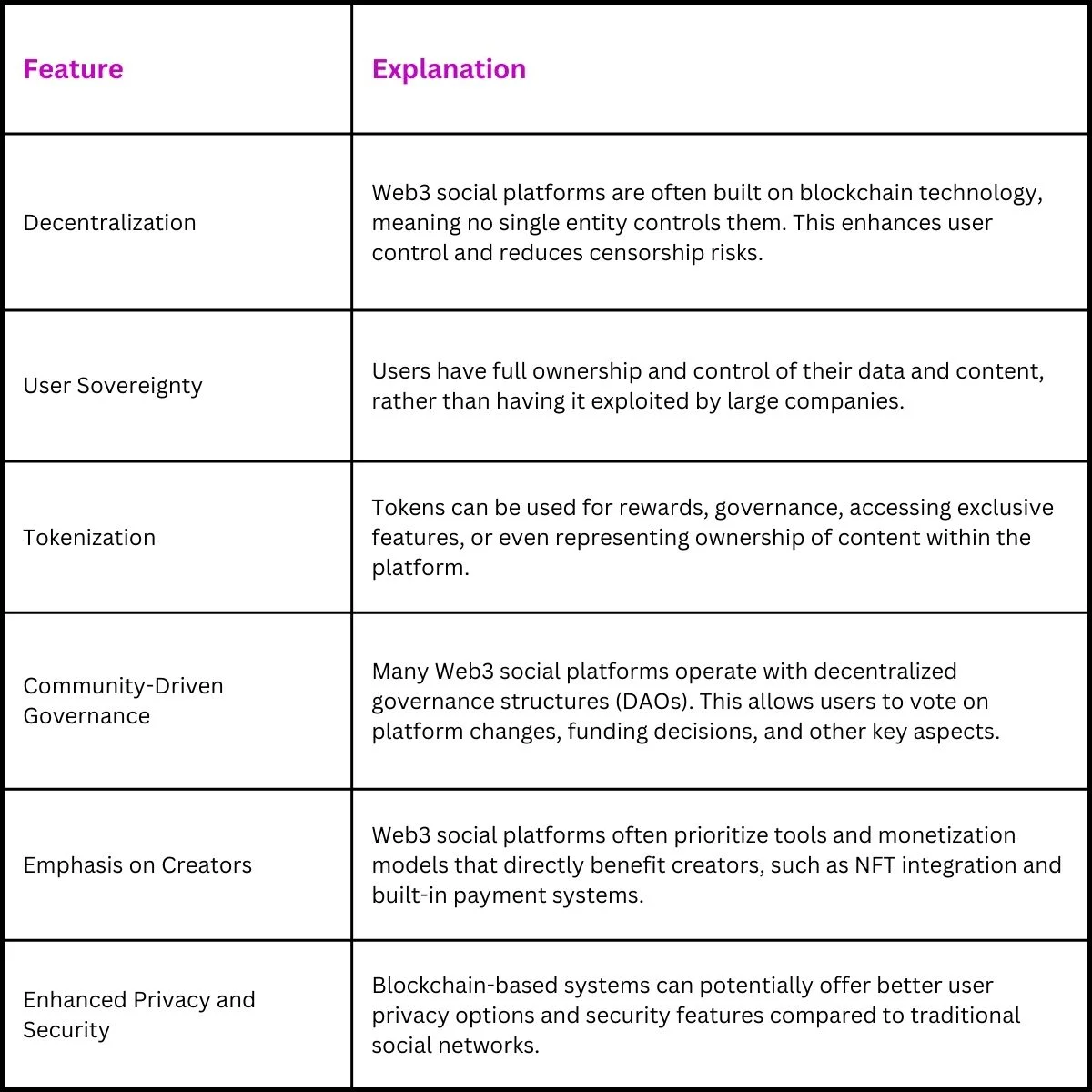
Unlike Web2, where ad revenue flows from a single centralized entity, Web3 social value is distributed across tokens, NFTs, and protocol fees. This fragmentation creates a liquidity gap. Creators cannot easily transfer their audience or earnings from one platform to another. A follower on Base does not automatically translate to revenue on Solana. This disconnect forces creators to choose between network effects and asset ownership.
The strategy must account for this friction. Success depends on building on a chain where the protocol’s native token aligns with creator incentives. On Solana, speed and low fees enable high-frequency interactions, but the social layer is still evolving. On Base, Coinbase’s integration offers a bridge to traditional finance, yet the social graph is less mature. The constraint is clear: you must pick a chain and build a moat within its specific social protocol, rather than trying to maintain presence across all of them.
Web3 social strategy choices that change the plan
Choosing a Web3 social strategy on Solana or Base requires balancing technical infrastructure against user acquisition. There is no single "best" chain; the right choice depends on whether your priority is low-friction onboarding or high-value creator monetization. Solana offers speed and established social dapps, while Base provides deep integration with Coinbase’s user base and Ethereum security.
Solana: Speed and Established Ecosystem
Solana’s high throughput and low transaction costs make it ideal for high-frequency social interactions like tipping, minting comments, or rapid content updates. The ecosystem already hosts mature social dapps, reducing the friction of building from scratch. However, the network’s history of outages and the prevalence of spam bots require robust moderation tools. For creators, the low fees mean micro-transactions are viable, but the competitive landscape is crowded.
Base: Coinbase Integration and Ethereum Security
Base leverages Coinbase’s 100+ million verified users, offering a smoother onboarding path through email and social logins. As an Ethereum L2, it inherits Ethereum’s security model, which appeals to high-net-worth creators and institutional players. Transaction costs are slightly higher than Solana but still negligible for most social actions. The tradeoff is that Base is newer to social-specific dapps, meaning you may need to bridge tools or build custom integrations to match Solana’s out-of-the-box experience.
Comparison of Key Factors
The table below compares the primary operational differences between Solana and Base for Web3 social strategies.
| Factor | Solana | Base |
|---|---|---|
| Transaction Speed | ~400ms | ~2s |
| Avg. Transaction Cost | <$0.01 | <$0.01 |
| Onboarding Friction | High (wallet-heavy) | Low (Coinbase integration) |
| Security Model | Proof of History | Ethereum L2 |
| User Base Size | Crypto-native | Mass-market via Coinbase |
Liquidity and Creator Monetization
Monetization viability hinges on where your target audience already holds capital. Solana has a deep culture of memecoin and NFT trading, making it easier to monetize attention through speculative assets. Base benefits from Coinbase’s fiat on-ramps, meaning users can easily convert earnings to USD. If your strategy relies on direct payments or subscriptions, Base’s integration with traditional finance offers a clearer path to revenue. Solana’s ecosystem is better for community-driven, token-based incentives.
Choose the Next Step
Building an onchain identity strategy requires picking a path that matches your goals. The Web3 social landscape splits into three distinct models: decentralized social graphs, token-gated communities, and creator-native platforms. Each model offers different monetization levers and technical requirements. Selecting the wrong model for your audience often leads to high churn and low engagement.
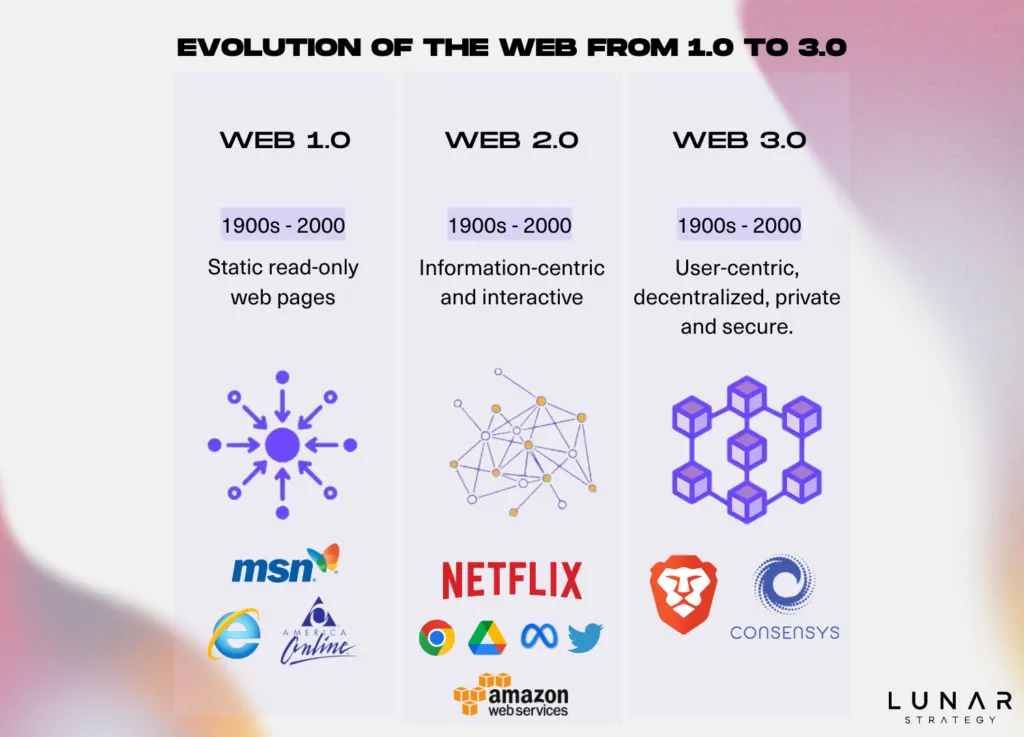
This approach uses protocols like Lens or Farcaster to own your social graph. You can migrate followers across apps without losing your audience. Monetization comes from direct tipping, NFT-based subscriptions, or selling data access. This is best for builders and early adopters who value censorship resistance over mainstream reach.
Here, access to content or Discord channels is tied to holding a specific NFT or token. This creates a high-trust, high-engagement environment. You can monetize through primary NFT sales and secondary royalties. This model works well for established creators, DAOs, or brands with a strong existing community looking to deepen loyalty.
Platforms like Friend.tech or Hyphen simplify onchain social by abstracting the blockchain complexity. Users buy "keys" to access private chats or content from creators. This offers the fastest path to revenue but often lacks long-term graph portability. It is ideal for influencers and thought leaders who want immediate monetization without technical overhead.



As an Amazon Associate, we may earn from qualifying purchases.
Your decision should hinge on your technical comfort and audience size. Decentralized graphs offer the most control but require more effort to grow. Token-gated communities offer high value per user but demand strong existing trust. Creator-native platforms offer instant revenue but limited ownership. Consider starting with a creator-native platform to test demand, then migrating to a decentralized graph for long-term asset ownership.
Spotting Weak Web3 Social Options
Most platforms promise ownership but deliver fragmented liquidity. Before committing time to a Solana or Base social app, check these three common traps.
Empty Liquidity Pools
Many apps launch with token incentives that vanish after the first week. If the governance token has no trading volume or locked liquidity, you cannot monetize your influence. Check the pool depth on Solscan or BaseScan before creating content.
Opaque Revenue Sharing
Some platforms claim to share ad revenue but lack transparent smart contracts. Without on-chain proof of payments, your earnings are theoretical. Look for apps with open-source treasury contracts that automatically distribute fees to active creators.
High Gas Friction
Base offers low fees, but Solana can spike during congestion. If minting a post costs $5 in gas, user engagement drops. Ensure the app batches transactions or uses account abstraction to keep costs near zero for casual users.
Web3 social strategy: what to check next
Before building a monetization strategy on Solana or Base, it helps to separate the hype from the mechanics. Web3 social is not a get-rich-quick scheme; it is a structural shift in how attention is owned and rewarded.
Is Web3 trustworthy?
Trust in Web3 social comes from code, not corporations. Because your social graph and content are stored on-chain or in decentralized storage (like IPFS), no single platform can delete your account or censor your posts. However, "trustless" does not mean risk-free. You are responsible for your private keys, and smart contract bugs can still lead to lost funds. The technology is reliable, but the user experience requires vigilance.
How can I use Web3 to make money?
Monetization on Solana and Base is direct and frictionless. Creators earn by minting content as NFTs, receiving tips in SOL or USDC, or earning tokens through platform-specific incentive programs. Unlike traditional social media where platforms take 30-50% cuts, Web3 platforms often take minimal fees, passing the majority of revenue to the creator. Your on-chain identity itself becomes a verifiable asset that can be leveraged for partnerships.
Why did Web 3.0 fail?
Web3 social has not failed; it is simply maturing. Early attempts struggled because they prioritized financial speculation over community and usability. The "failure" was mostly a correction of inflated expectations. Today, the focus is on sustainable engagement, real utility, and seamless user experiences that hide the blockchain complexity. The infrastructure is now robust enough to support real social interaction without requiring users to understand cryptography.
What does Elon Musk think of Web3?
Elon Musk’s stance is pragmatic and largely focused on the utility of blockchain for payments rather than social identity. He has expressed skepticism about the environmental impact of proof-of-work cryptocurrencies but has shown interest in the efficiency of Layer 2 solutions. His platforms, like X (formerly Twitter), remain centralized, but his broader investments in crypto infrastructure suggest he sees value in decentralized settlement layers, even if he is not a vocal advocate for Web3 social narratives.
No comments yet. Be the first to share your thoughts!