Why onchain identity matters now
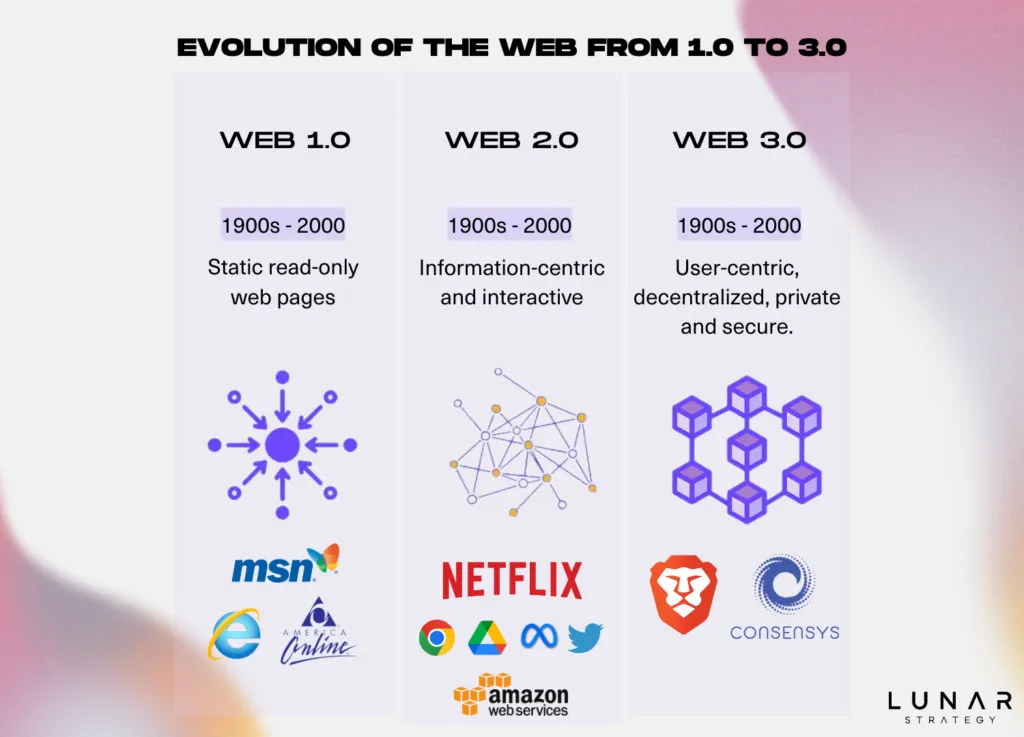
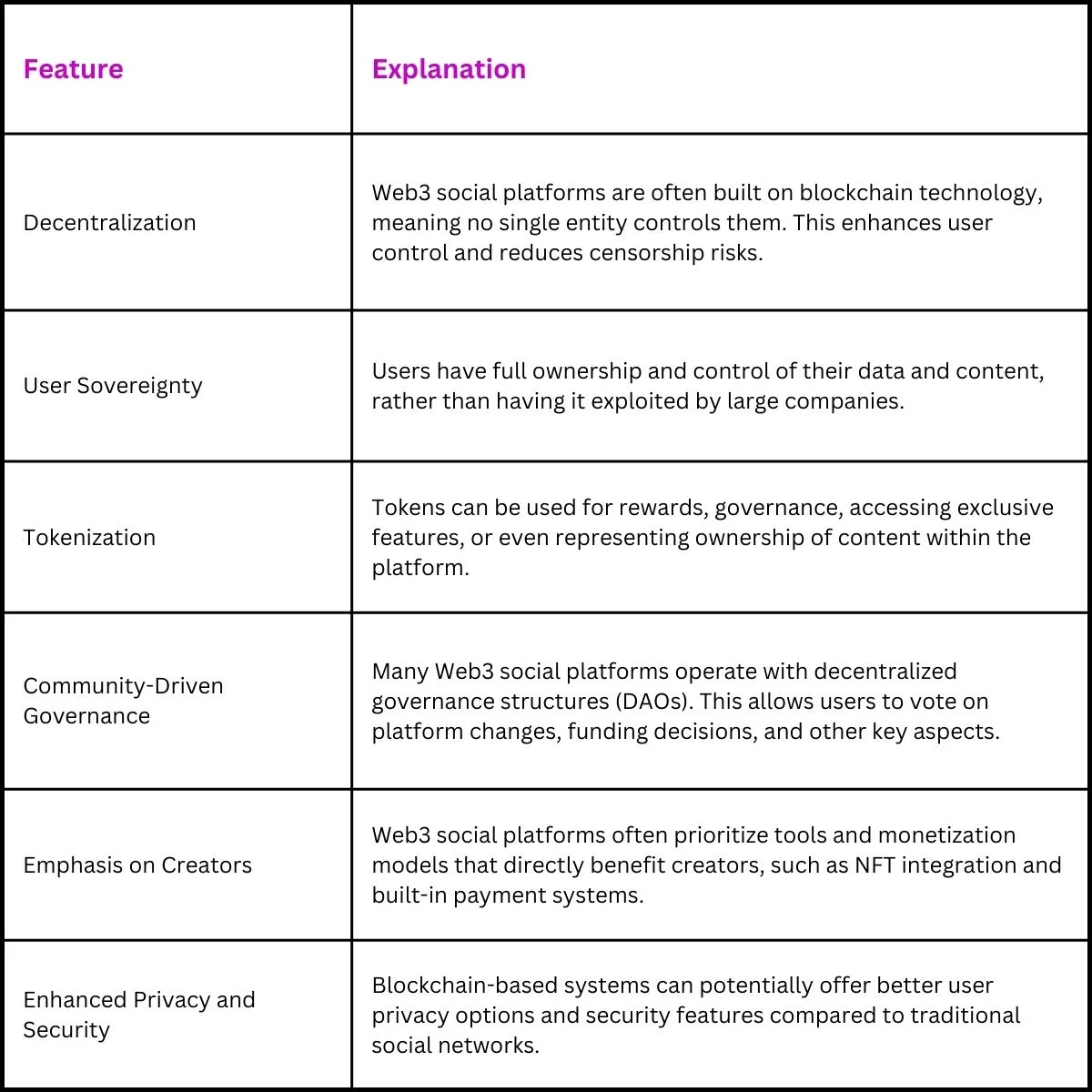
Onchain identity turns followers into owned assets, enabling direct monetization and cross-platform portability. This shift moves your social graph from rented platforms to a blockchain where you hold the keys, ensuring durability and control over your digital presence.
Core Web3 social tools for creators
Building a Web3 social strategy starts with choosing the right infrastructure. Unlike traditional platforms where your audience is held hostage by algorithms, Web3 protocols let you own your social graph. This means your followers, posts, and reputation move with you, not just one app. If you leave Lens for Farcaster, you take your identity and content with you.
The landscape is dominated by two main protocols, each with a distinct culture and utility for creators.
Lens Protocol
Lens is built on Polygon and functions like a decentralized social graph. Think of it as the underlying directory that connects profiles to content. It is highly modular, allowing developers to build different apps on top of the same data. This makes it ideal for creators who want flexibility and long-term stability. You can mint your content as NFTs, giving you direct ownership and potential monetization paths.
Farcaster
Farcaster prioritizes speed and real-time interaction, similar to early Twitter. It uses a different architecture that favors a vibrant, fast-moving community. Creators on Farcaster often find it easier to build immediate engagement because the protocol is optimized for quick reads and replies. It feels less like a database and more like a lively town square, making it great for daily commentary and community building.
Decentralized Storage
Your content needs a place to live that no single company can shut down. This is where decentralized storage comes in. Services like IPFS (InterPlanetary File System) and Arweave store your images, videos, and posts across a network of computers. If one node goes down, your data remains accessible. This ensures that your creative work is permanent and truly yours, protecting you from platform bans or data loss.
Comparison of Core Tools
Understanding the differences helps you pick the right stack for your goals. The table below breaks down the key distinctions.
| Platform | Ownership | Monetization | Audience Type |
|---|---|---|---|
| Lens Protocol | Own social graph & content | NFTs, tips, and integrations | Devs, builders, long-form creators |
| Farcaster | Own profile & casts | Frames, casts, and social tokens | Traders, developers, real-time chat |
| Traditional Platforms | Platform owns your data | Ad revenue share, sponsored posts | Mass market, brand-focused |
Leveraging AI for content scaling
AI tools can help you maintain a consistent presence without burning out, but they should augment your human voice, not replace it. Use AI to schedule posts, summarize complex threads, or generate visual assets. However, always add your unique insights and authentic perspective to ensure your content feels personal and valuable to your audience.
Monetization models beyond ads
The traditional ad model relies on platforms extracting value from your attention. Web3 flips this by allowing you to capture value directly from your audience. Instead of renting an audience, you own the relationship. This shift creates several distinct revenue streams that prioritize ownership and control.
Token-gated content and memberships
Token-gating is the most immediate way to monetize a dedicated following. By requiring a specific NFT or token to access certain posts, channels, or communities, you create a direct paywall that benefits only your most engaged supporters. This model works because it aligns incentives; holders have a vested interest in the creator's success.
Platforms like Farcaster and Lens Protocol make this easy to implement. You can offer exclusive newsletters, early access to products, or private community discussions to token holders. This isn't just about blocking non-payers; it's about building a high-signal environment where your core audience can connect with you without the noise of the broader internet.
Direct creator tokens
Some creators issue their own tokens, often called "fan tokens" or "creator coins." These function similarly to equity in a small business. When fans buy the token, they are betting on the creator's future growth and success. If the creator gains popularity, the token value may rise, rewarding early supporters.
However, this model requires careful tokenomics. Unlike a simple subscription, tokens are tradable assets. You must consider supply caps, utility, and long-term sustainability. Missteps here can lead to volatility that alienates your community. The goal is to create a token that feels like a badge of honor and a stake in your journey, not just a speculative asset.
NFT memberships and digital collectibles
NFTs can serve as permanent, tradable membership cards. Unlike a subscription that renews monthly, an NFT membership is a one-time purchase that grants ongoing access. This appeals to fans who want to show their support publicly on-chain. It also creates a secondary market where you can potentially earn royalties on resales, depending on the platform and smart contract setup.
This approach works best for creators with a strong brand identity. The NFT itself becomes a collectible item. Think of it as a digital autograph that grants access to a private club. It transforms the transaction from a monthly bill into a lasting piece of digital memorabilia that your fans can display and trade.
Community-driven rewards
Beyond direct sales, Web3 platforms often distribute tokens to active participants. You might earn tokens for posting, commenting, or curating content. This "play-to-earn" or "create-to-earn" model incentivizes high-quality engagement. It turns passive scrolling into active participation, fostering a more vibrant and loyal community around your content.
This model is particularly effective on decentralized social networks. By rewarding the behaviors you want to see—such as thoughtful comments or original posts—you build a self-sustaining ecosystem. The platform's token becomes a medium of exchange within your community, further deepening the bond between you and your audience.
Building sustainable onchain growth
Vanity metrics like follower counts often mask a hollow audience. True growth on Web3 platforms comes from owning your social graph and building real relationships with high-signal communities. Instead of chasing empty numbers, focus on creating value that encourages organic interaction and long-term retention.
Start by minting a profile on a decentralized protocol like Lens or Farcaster. This gives you a portable identity that isn’t controlled by a single corporation. Your reputation and connections become assets you can take with you as you explore different apps.
Join active spaces where your target audience already hangs out. Discord servers, Farcaster casts, and Lens feeds are rich with developers and traders. Participate in conversations, answer questions, and share insights rather than just broadcasting your own content.
Move beyond hype posts. Share tutorials, market analysis, or behind-the-scenes looks at your projects. Content that solves problems or provides exclusive access builds trust. When you offer tangible value, people follow because they need your perspective, not just because you asked them to.
Use AI tools to help schedule posts, summarize complex threads, or generate visual assets. This helps you maintain a consistent presence without burning out. However, always add your human voice and unique insights to ensure your content feels authentic and personal.
Track meaningful interactions like replies, reposts, and wallet connections rather than just likes. These metrics indicate a genuine interest in your work. Focus on deepening these connections by engaging back and fostering a sense of community among your followers.
By prioritizing ownership and genuine connection, you build a foundation that lasts. This approach transforms your social presence from a fleeting trend into a sustainable, self-owned asset that grows with your audience.
Helpful gear
Use these product recommendations as a starting point, then choose the size, material, and price point that fit how you actually use the gear.


As an Amazon Associate, we may earn from qualifying purchases.
No comments yet. Be the first to share your thoughts!