The onchain social stack explained
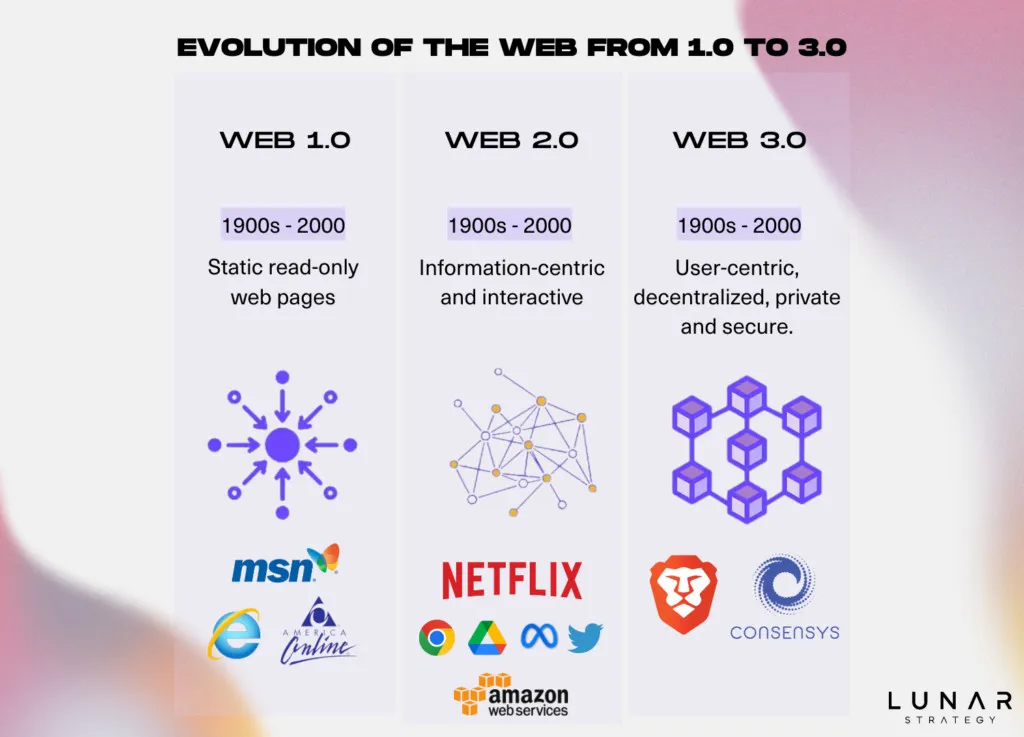
To understand how creators monetize on Web3 social, you need to look under the hood. Unlike traditional platforms where the app owns your followers and content, Web3 social is built on a layered infrastructure that gives you ownership. Think of it like building a house: you own the land (your data), the plumbing (the protocols), and the house itself (the app).
According to Gitcoin, Web3 social refers to decentralized protocols where users own their social graphs, content, and reputation [src-1]. This ownership is what allows monetization to happen directly between you and your audience, without a middleman taking a cut.
The technical structure is typically divided into four layers, as outlined in Coinbase’s guide to the web3 social stack [src-2]:
- Hosting: Where your data lives. This is often decentralized storage like IPFS or Arweave, ensuring your posts aren’t deleted by a company.
- Social Primitives: The rules of interaction. These are the on-chain actions like "following," "liking," or "reposting," recorded as transactions.
- Profile: Your on-chain identity. This is your unique digital passport (ENS domain or wallet) that connects all your activity.
- Applications: The user interface. These are the apps (like Farcaster or Lens) you actually use to post and chat.
When you post on a Web3 social app, your content is stored on the hosting layer, your actions are recorded by the primitives, and your identity is anchored to your profile. The app is just the window through which you view it. This separation is key: if one app shuts down, your social graph and content remain intact and can be moved to another interface.
Top decentralized social platforms compared
Choosing the right Web3 social platform depends on how you plan to monetize your audience. While the underlying technology varies, the monetization mechanics fall into a few distinct buckets: direct tipping, subscription models, and content minting. Understanding these differences helps you pick a platform that aligns with your content style and audience expectations.
The landscape is still evolving, but a few platforms have established clear patterns for creator revenue. Some focus on community engagement through small transactions, while others enable high-value content sales. Below is a breakdown of the leading options to help you navigate Web3 Social.
Platform comparison
The following table compares the primary monetization features of the most prominent Web3 social networks. These metrics reflect current platform capabilities as of 2026.
| Platform | Primary Monetization | Est. User Base | Creator Complexity |
|---|---|---|---|
| Farcaster | Tips & Reactions | Large (100k+) | Low |
| Lens Protocol | Subscriptions & NFTs | Medium (50k+) | Medium |
| Mirror | Content Minting | Medium (50k+) | Medium |
| Farcaster Clients | Varies by Client | Large (100k+) | Low |
Revenue streams for onchain creators
Monetizing in a Web3 social guide context means moving beyond ad revenue to direct ownership. Creators can capture value through token-gated content, direct tipping, NFT memberships, and protocol incentives. These mechanics turn followers into stakeholders.
Token-gated content and NFT memberships
Token-gated access allows creators to restrict premium content to holders of specific digital assets. This model works like a digital club membership. If you hold the required NFT or token, you unlock exclusive posts, community channels, or early access. Platforms like Mirror and Farcay facilitate this by linking wallet ownership to content visibility.
NFT memberships take this further by creating a tiered loyalty system. Instead of selling individual posts, creators sell a lifetime or recurring membership NFT. This aligns long-term incentives between the creator and the audience. Holders often receive voting rights on future content or platform governance.
Direct tipping and protocol incentives
Direct tipping removes the middleman. Followers can send crypto or platform-specific tokens directly to creators during streams, posts, or comments. This instant feedback loop rewards quality in real time. Tools like Gitcoin Grants have popularized quadratic funding, where community tips are amplified by protocol matches, boosting creator earnings.
Protocol incentives reward engagement across the network. Some Web3 social platforms distribute native tokens to users who create content, curate feeds, or moderate communities. This turns passive scrolling into active participation. Creators earn additional value not just from their audience, but from the platform’s growth.
Contextualizing value
The value of these rewards often fluctuates with the broader crypto market. Governance tokens used for incentives or memberships can see significant price swings. Understanding the current market value of these assets helps creators estimate their potential earnings.
Infrastructure Costs and the L2 Shift
Building a Web3 social platform requires more than just clever code; it demands a sustainable economic model. Early attempts at onchain social media often stumbled under the weight of Ethereum’s mainnet gas fees. Posting a simple comment or updating a profile could cost dollars, creating a friction point that killed user retention. For a creator economy to thrive, the cost of interaction must be near zero.
The industry has largely pivoted to Layer 2 (L2) solutions to solve this. Networks like Arbitrum, Optimism, and Base offer significantly lower transaction costs while inheriting Ethereum’s security. This shift has made micro-transactions and frequent interactions economically viable. Creators can now monetize small engagements without worrying that the gas fee will exceed the tip itself.
Storage remains another consideration. While smart contracts handle logic, heavy data like images or videos are typically stored off-chain using decentralized storage protocols like IPFS or Arweave. The onchain transaction then points to this data, keeping the ledger lean. Understanding this split is essential for any Web3 social guide focused on real-world deployment.
To visualize the economic impact of this shift, consider the historical volatility of Ethereum gas fees compared to the steady, low costs of L2 networks. The chart below illustrates the difference in transaction costs, highlighting why L2s are the backbone of modern onchain social apps.
Steps to launch your onchain presence
Building a Web3 social profile is less like joining a platform and more like claiming a digital address. Unlike traditional social media, where you create an account on a server, your onchain identity lives on the blockchain. This means you own the data, and it moves with you across different applications. Think of it as a passport that works everywhere, rather than a membership card for one club.
To get started, follow these practical steps to set up your foundation.
Your wallet is your login and your bank. Choose a reputable provider like Coinbase Wallet or MetaMask to generate your unique address. This address becomes your public username across the Web3 ecosystem. Keep your recovery phrase offline and safe, as it is the only way to regain access if you lose your device.

Once your wallet is funded, you need a way to prove you are a real person without revealing your private data. Services like Gitcoin Passport or World ID allow you to earn a "decentralized identity" score. This verification helps you access exclusive communities and ensures you aren't a bot, adding credibility to your new Web3 social profile.
The "web3 social stack" has layers: hosting, primitives, profiles, and apps. For most creators, starting with a protocol like Farcaster or Lens Protocol is the best move. These are the foundational layers where your identity and social graph live. By building here, you ensure your followers and content aren't locked into a single company's platform.

With your profile set up on a primitive, link it to your wallet and start engaging. Many platforms allow you to monetize directly through tips, subscriptions, or NFT-based memberships. Because your identity is portable, you can take your audience to new apps as they emerge, keeping your revenue streams flexible and under your control.
No comments yet. Be the first to share your thoughts!