Web3 social limits to account for
Decentralized social networks promise ownership, but they currently face structural friction that limits mass adoption. Unlike Web2 platforms where algorithms curate content invisibly, Web3 social requires users to manage their own data, verify their identity, and often pay for interactions. For creators, this shift turns audience growth into a technical and economic exercise rather than a purely creative one.
The primary constraint is on-chain identity. Building a reputation requires linking wallet addresses to real-world actions, which creates a high barrier to entry. Users must navigate complex wallet setups and gas fees just to post content. This friction reduces the casual engagement that drives viral growth on centralized platforms.
Another hurdle is content discoverability. Without a central algorithm, finding relevant content relies on decentralized protocols that are still maturing. Creators must actively distribute their work across multiple decentralized social graphs (DSGs) to reach an audience. This fragmented visibility makes it harder to build a consistent follower base compared to the unified feeds of traditional social media.
Finally, monetization complexity adds another layer of difficulty. While token incentives offer direct revenue, they introduce volatility and regulatory uncertainty. Creators must understand tokenomics, liquidity, and community governance to earn sustainably. This requires a skill set that extends far beyond content creation, limiting the pool of viable creators in the space.
Web3 social choices that change the plan
Choosing a Web3 social platform requires balancing content ownership against user experience. Unlike traditional social networks where platforms control the feed and monetization, Web3 social stacks distribute these functions across hosting, social primitives, profiles, and applications. This architecture offers clear advantages for creators but introduces friction that affects daily engagement.
The primary tradeoff lies in custody versus convenience. When you own your social graph and content on-chain, you retain control even if a specific frontend shuts down. However, this decentralization often means slower load times, higher gas fees for actions like posting or tipping, and a steeper learning curve for audiences unfamiliar with wallets. Creators must decide if their audience values sovereignty over seamless, instant interaction.
Another critical factor is incentive alignment. Many platforms use token incentives to bootstrap network effects, but these rewards can distort organic behavior. If monetization relies heavily on speculation rather than genuine community interaction, creator income becomes volatile. Sustainable Web3 social models prioritize utility and reputation over short-term token pumps.
To evaluate these factors, consider the specific layer of the web3 social stack you are engaging with. Hosting layers ensure data persistence, while application layers determine the user interface. A robust strategy often involves distributing presence across multiple layers to mitigate risk.
| Factor | Centralized | Web3 Social |
|---|---|---|
The following chart illustrates the current market sentiment and volatility associated with major Web3 social tokens, which often serve as the primary incentive mechanism for these platforms. Understanding this financial context is essential for creators relying on token-based monetization.
Choosing Your Web3 Social Strategy
Building an onchain identity is only the first step. To monetize effectively, you must align your infrastructure with your audience's behavior. The current landscape offers distinct paths, each with different tradeoffs regarding cost, reach, and control. This framework helps you select the right model based on your content type and technical comfort.
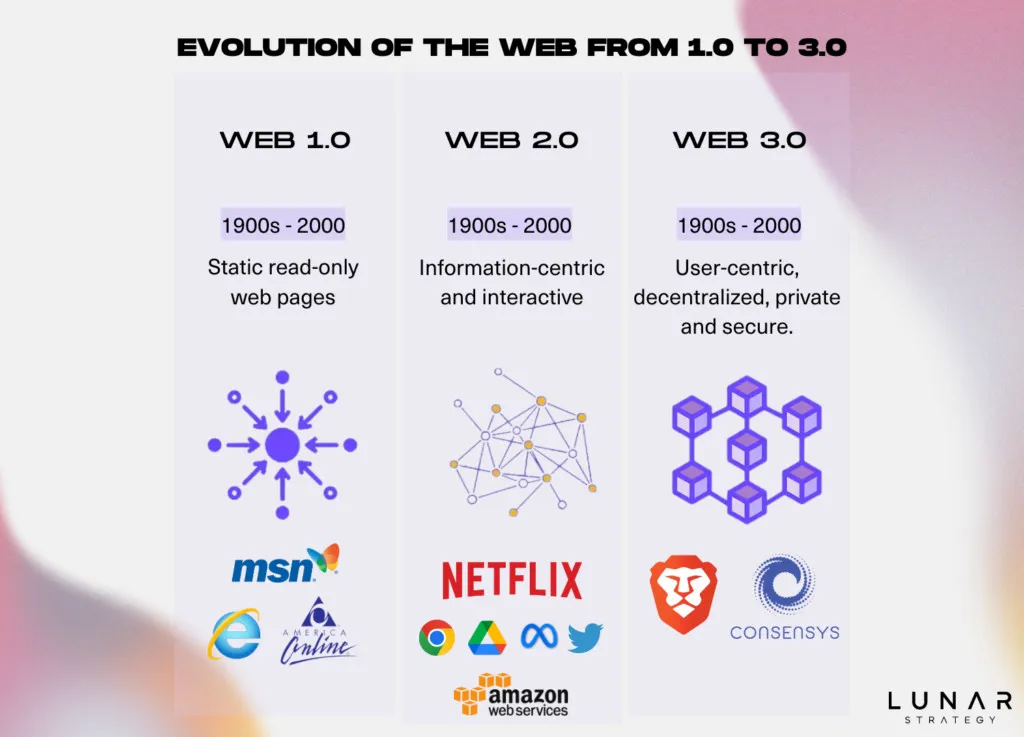
Choose platforms that store your content on decentralized storage like IPFS or Arweave. This ensures that your posts remain accessible even if the platform shuts down. It is the most critical factor for long-term creator stability and brand value.
Deploy AI agents to handle routine interactions, such as responding to comments or curating feeds. This allows you to scale your presence without sacrificing the personal touch that builds community trust. Look for platforms with native AI agent support to reduce integration friction.
Evaluate whether the platform uses token rewards, subscription models, or direct tipping. Token-based systems offer liquidity but can be volatile. Subscription models provide predictable revenue but may limit reach. Match the incentive structure to your audience's spending habits.
Test the platform's governance mechanisms. Does a centralized entity control your account? True Web3 social platforms should allow you to recover your identity and content through private keys alone, ensuring you retain control over your digital presence.
Monitoring Market Performance
Your choice of platform will influence your revenue potential. Use live market data to track the performance of the native tokens associated with your chosen platforms. This helps you understand the economic environment in which you are operating.
Spotting Weak Options in Web3 Social
Not every platform promising "creator ownership" delivers real value. Many rely on token incentives that dilute earnings or feature AI agents that generate noise rather than engagement. Before committing time or capital, you need to separate marketing hype from functional utility.
1. The "Ownership" Illusion
Many platforms claim you own your content, but the fine print often restricts how you can monetize it. True ownership means you can take your audience and data elsewhere. If a platform locks your followers into a proprietary feed, the "ownership" is theoretical. Check the terms of service for data portability clauses. If there is no clear path to export your social graph, treat it as a rented space, not an asset.
2. AI Agents That Add Noise
AI agents can automate posting, but they rarely build genuine community. Some platforms incentivize bot-like activity, flooding feeds with low-quality content to boost engagement metrics. This creates a false sense of popularity. Look for platforms that prioritize verified human interaction over automated volume. If the feed feels generic, the AI is working against you, not for you.
3. Token Incentives vs. Real Revenue
Tokens are not cash. Platforms often reward creators with native tokens that have no clear exit strategy or liquidity. This shifts the risk from the platform to the creator. A sustainable model pays in stablecoins or fiat, or offers tokens with deep liquidity pools. If you can't easily convert your earnings, the incentive is a trap. Focus on platforms with transparent revenue-sharing models tied to actual user spending, not just token price speculation.
4. Censorship Resistance Myths
"Censorship resistance" is often used as a buzzword without technical backing. Many platforms still rely on centralized servers or comply with arbitrary content guidelines. True decentralization means no single entity can remove your content. Check the node distribution and governance structure. If a single company controls the core protocol, the platform is vulnerable to external pressure. Verify the claims against the actual codebase, not the whitepaper.
5. High Entry Costs
Some platforms require expensive NFTs or large token holdings to unlock monetization features. This creates a pay-to-play barrier that excludes most creators. It also concentrates wealth among early adopters, not active creators. Look for platforms with low barriers to entry and fair distribution mechanisms. If you have to spend more to start earning, the model is likely unsustainable.
Web3 social: what to check next
Does onchain identity hurt creator monetization?
Onchain identity often simplifies revenue collection. By linking a wallet to your profile, you remove payment processor friction and middlemen fees. Creators receive payments directly, which speeds up cash flow and reduces chargeback risks. The tradeoff is that you must manage your own private keys and understand gas fees for transactions.
How do AI agents help with Web3 social growth?
AI agents automate routine engagement tasks like tagging relevant communities or summarizing long-form content for shorter posts. They can monitor onchain reputation scores to identify high-value supporters for targeted rewards. However, over-automation can trigger spam filters on decentralized platforms, so human oversight remains essential for authentic interaction.
Can I own my social graph across platforms?
Yes, onchain identity protocols allow you to carry your followers and reputation from one app to another. This portability prevents vendor lock-in and gives you leverage to negotiate better terms with new platforms. You retain control of your data, ensuring that your audience follows you, not just your content on a single service.
Is Web3 social ready for mainstream creators?
The infrastructure is maturing, but user experience still lags behind Web2 giants. Wallet onboarding and transaction costs can confuse non-crypto-native audiences. For now, Web3 social works best for creators with an existing crypto-savvy community or those seeking direct patronage models rather than mass-market advertising.
No comments yet. Be the first to share your thoughts!