Web3 social strategy limits to account for
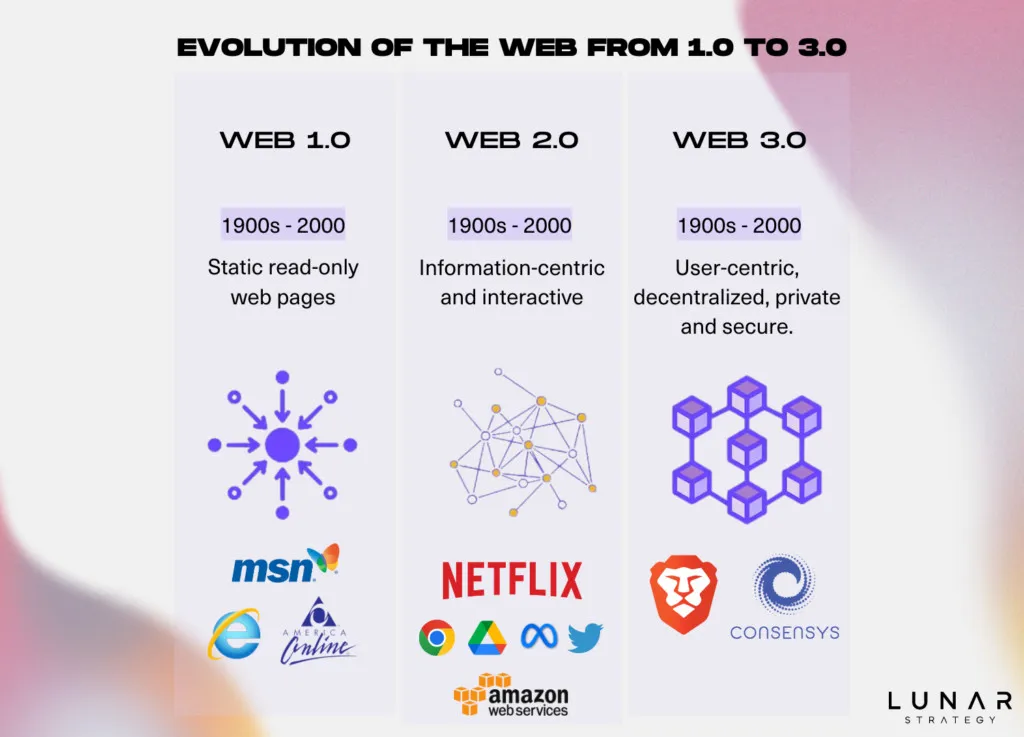
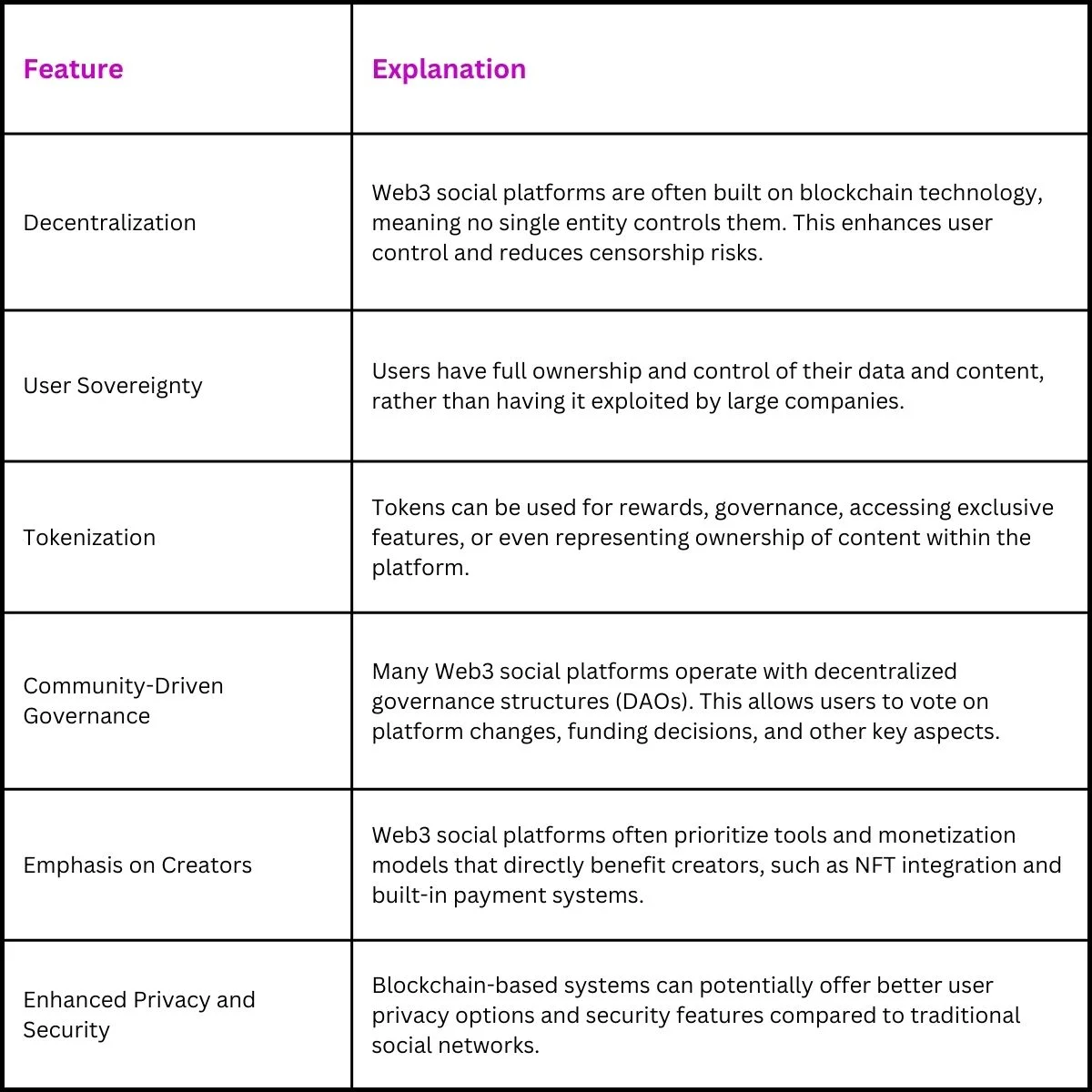
Building a Web3 social strategy requires navigating a fragmented landscape where platform mechanics and tokenomics dictate user behavior. Unlike traditional social media, where algorithms prioritize engagement, Web3 platforms align incentives through onchain identity and direct creator monetization. This shift introduces specific constraints that separate sustainable projects from speculative noise.
The primary constraint is the trade-off between decentralization and usability. Platforms like Mask Network allow users to bring encrypted messaging and decentralized profiles to existing social layers, reducing friction but complicating the user experience for newcomers. QuickNode notes that while these networks eliminate central authority, they demand that users actively manage their data and digital assets. This technical burden limits mass adoption to early adopters and crypto-native communities.
Monetization models also vary significantly. Some platforms rely on subscription-based access to exclusive content, while others use token-gated interactions or NFT-based membership tiers. Creators must choose platforms that match their audience’s technical comfort level. A strategy that works for a decentralized protocol community may fail on a consumer-facing app designed for casual interaction.
To succeed, creators must audit each platform’s token utility and governance structure. Understanding how value flows from engagement to creator wallets is essential. Without this clarity, efforts risk being lost in platforms where speculation outweighs genuine community building.
Web3 social strategy choices that change the plan
Building a monetization strategy on decentralized platforms requires balancing three competing forces: audience reach, data ownership, and operational friction. Unlike Web2, where algorithms dictate visibility, Web3 social platforms rely on social graphs you own. This shift offers long-term asset value but demands a different approach to growth and engagement.
The primary tradeoff lies between centralized convenience and decentralized control. Platforms like Farcaster offer high signal-to-noise ratios and strong developer tooling, but they operate in smaller, niche communities. Conversely, bridging to traditional social media via extensions like Mask Network expands reach but dilutes the onchain identity benefit. You must decide whether to prioritize immediate audience size or long-term data sovereignty.
Another critical factor is the cost of interaction. While gas fees have decreased on Layer 2 networks, they still introduce friction for casual users. Your monetization mechanics—such as tipping, token-gated content, or NFT-based subscriptions—must be seamless enough to not deter participation. If the transaction process is too complex, conversion rates drop regardless of the content quality.
Finally, consider the permanence of your reputation. Onchain identity allows you to carry your reputation across apps, but it also means your history is immutable. Missteps or failed projects are visible forever. This transparency builds trust with serious collectors and early adopters but can alienate broader audiences unfamiliar with Web3 norms.
Platform comparison
The table below outlines the core tradeoffs of leading Web3 social infrastructure. Use this to match your specific monetization model to the right platform.
| Platform | Reach | Data Ownership | Monetization Ease |
|---|---|---|---|
Choose the next step
Web3 Social Strategy works best as a clear sequence: define the constraint, compare the realistic options, test the tradeoff, and choose the path with the fewest hidden costs. That order keeps the advice usable instead of decorative. After each step, pause long enough to check whether the recommendation still fits the reader's actual situation. If it depends on perfect timing, unusual access, or a best-case budget, include a simpler fallback.
Common Mistakes in Web3 Social Strategy
Many creators treat onchain identity as a mere badge rather than a functional asset. This misunderstanding leads to weak monetization models that fail to capture long-term value. Below are three frequent pitfalls to avoid when integrating AI agents and decentralized profiles into your workflow.
Relying on Generic Wallet Sign-ins
Using a standard MetaMask connection without linking a decentralized identity (ENS or Lens profile) limits your ability to build trust. Without a verified onchain reputation, AI agents cannot accurately assess your credibility or tailor content to your audience. This friction reduces engagement and makes it harder to justify premium subscriptions or token-gated access.
Ignoring Data Portability
Building your audience on a single centralized platform creates a fragile foundation. If that platform changes its algorithm or shuts down, your entire monetization strategy collapses. Instead, use protocols like Farcaster or Lens that allow you to own your social graph. This ensures that your followers and content remain accessible regardless of where you choose to publish.
Overlooking Agent Utility
Deploying an AI agent without a clear purpose is a waste of resources. Agents should automate specific tasks like curating content, managing community interactions, or processing payments. Without defined utility, the agent adds noise rather than value, confusing your audience and diluting your brand. Focus on solving one specific problem for your community effectively.
Web3 social strategy: what to check next
How do AI agents and onchain identity work together for monetization?
Onchain identity acts as your portable reputation ledger, while AI agents handle the execution. Instead of manually chasing engagement, you set up agents that interact with your decentralized profile. These agents can auto-reply to comments, distribute content, or manage subscriptions based on your predefined rules. This combination allows creators to scale their presence without sacrificing the authenticity that onchain identity provides.
Is Web3 social media actually better for monetization than traditional platforms?
The advantage lies in ownership and direct value flow. Traditional platforms take a significant cut of ad revenue and restrict how you can engage with your audience. Web3 platforms let you hold your social graph and content as assets. When you monetize, whether through token-gated content or direct tips, the value goes directly to your wallet. This reduces dependency on algorithm changes that often silence creators on legacy networks.
What are the main risks of building a Web3 social strategy?
The primary risk is complexity and user friction. While AI agents can automate much of the workflow, your audience still needs to manage wallets and understand gas fees. If your community isn't crypto-native, the barrier to entry can be high. Additionally, smart contract risks mean you must audit any tools or tokens you integrate. Focus on platforms with strong security records and clear user onboarding to mitigate these hurdles.
Which Web3 social platforms are best for creator monetization in 2026?
Leading platforms like Farcaster and Lens Protocol offer robust tooling for developers and creators. Farcaster is known for its high-signal developer community and easy integration with AI agents. Lens Protocol provides a composable graph, allowing you to build custom monetization layers on top of your social data. Choose a platform where your specific audience already exists, as network effects remain critical in decentralized social.
Helpful gear
Use these product recommendations as a starting point, then choose the size, material, and price point that fit how you actually use the gear.


As an Amazon Associate, we may earn from qualifying purchases.
No comments yet. Be the first to share your thoughts!