Why Web3 Social Changes the Revenue Model
The fundamental shift in Web3 Social strategy isn't just about technology; it's about who captures the value. In traditional Web2 social media, platforms act as landlords. They rent your attention to advertisers, keeping the vast majority of the revenue while you, the creator, get little more than visibility. You build an audience on rented land. If the platform changes its algorithm or bans your account, your income vanishes overnight.
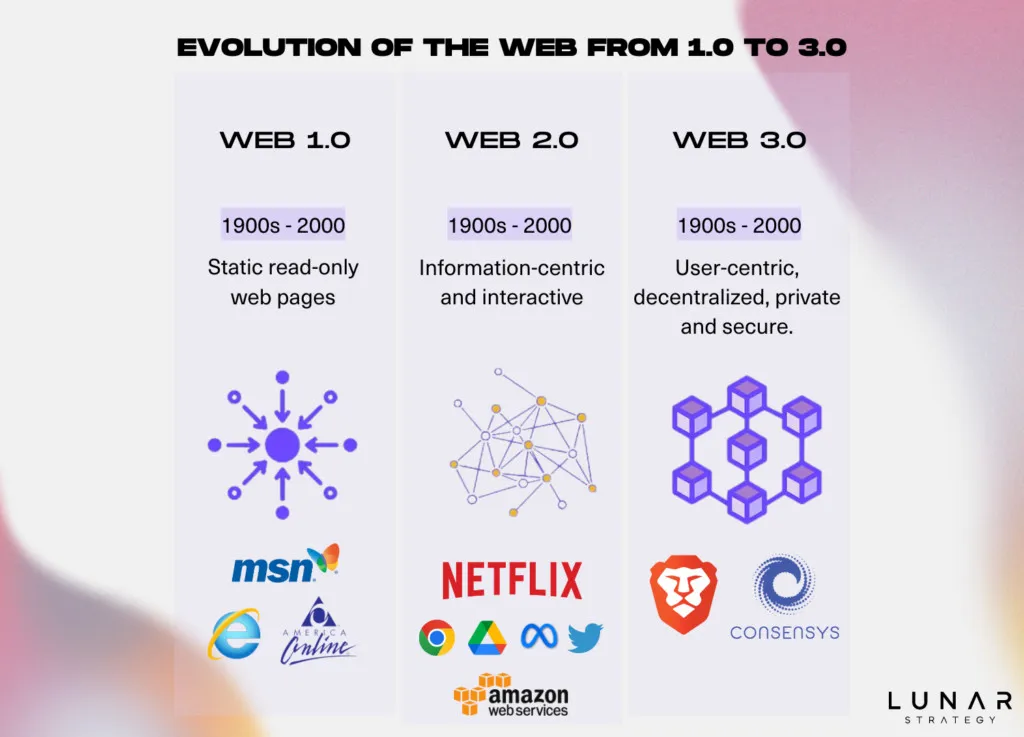
Web3 Social flips this dynamic by placing ownership in the hands of the user. According to Gitcoin, Web3 Social refers to decentralized social networking protocols where users own their social graphs, content, and reputation [src-serp-3]. This ownership transforms social capital into economic capital. You aren't just a content provider; you are a stakeholder.
The Core Difference: Web2 rents attention; Web3 owns it.
This shift enables direct owner-creator economics. Instead of relying on ad revenue shares that fluctuate with platform policies, creators can monetize directly through tokenized incentives, NFT-based communities, and on-chain reputation systems. The audience becomes a co-owner of the network, aligning incentives between creators and consumers. This isn't just a new marketing channel; it's a new revenue architecture where value flows directly to those who build and engage, rather than being siphoned off by intermediaries.
For a Web3 Social strategy, this means your primary asset is no longer just your content, but your verified on-chain identity and community loyalty. These are assets you can take with you, regardless of which interface or protocol you use. The revenue model shifts from passive ad impressions to active, community-driven value exchange.
Top Web3 Social Platforms for Creators
Choosing the right Web3 social infrastructure depends on whether you prioritize token incentives, audience size, or technical control. The current landscape offers distinct paths for monetizing onchain identity, ranging from high-growth token economies to established decentralized networks.
Lens Protocol
Lens is a decentralized social graph on Polygon that allows creators to own their content and followers as NFTs. It is the most widely adopted Web3 social protocol, offering deep liquidity and integration with other DeFi and NFT platforms. Creators benefit from a large existing user base and easy tools for monetizing posts via tips and subscriptions.
Farcaster
Farcaster operates on a permissionless protocol built on the OP Stack, emphasizing high-quality, low-noise interactions. It has gained traction among crypto-native builders and developers for its robust API and active developer ecosystem. While the user base is smaller than Lens, the engagement rate is high, and the platform supports direct token-gated access and complex onchain actions.
Mastodon
Mastodon is the largest decentralized social network, built on the ActivityPub protocol. It is not blockchain-based but offers true data portability and censorship resistance. For creators focused on broad reach without the complexity of crypto wallets, Mastodon provides a stable, ad-free environment with a growing number of niche communities.
Audius
Audius is a decentralized music streaming protocol that allows artists to retain ownership of their work and earn directly from listeners. It uses token incentives to reward creators and curators, bypassing traditional record labels. This platform is ideal for musicians and audio creators looking to build a direct relationship with their audience while monetizing through streaming revenue.
Minds
Minds is a social network that rewards users with cryptocurrency for creating and engaging with content. It uses a proof-of-view consensus mechanism to ensure fair distribution of attention. The platform is accessible to a broader audience, requiring minimal technical knowledge, and offers a straightforward way to earn tokens through daily activity and content creation.
| Platform | Token Incentive | User Base | Tech Barrier |
|---|---|---|---|
| Lens | High | Large | Medium |
| Farcaster | Medium | Medium | Medium |
| Mastodon | None | Very Large | Low |
| Audius | High | Medium | High |
| Minds | Medium | Large | Low |


As an Amazon Associate, we may earn from qualifying purchases.
Token incentives and direct monetization
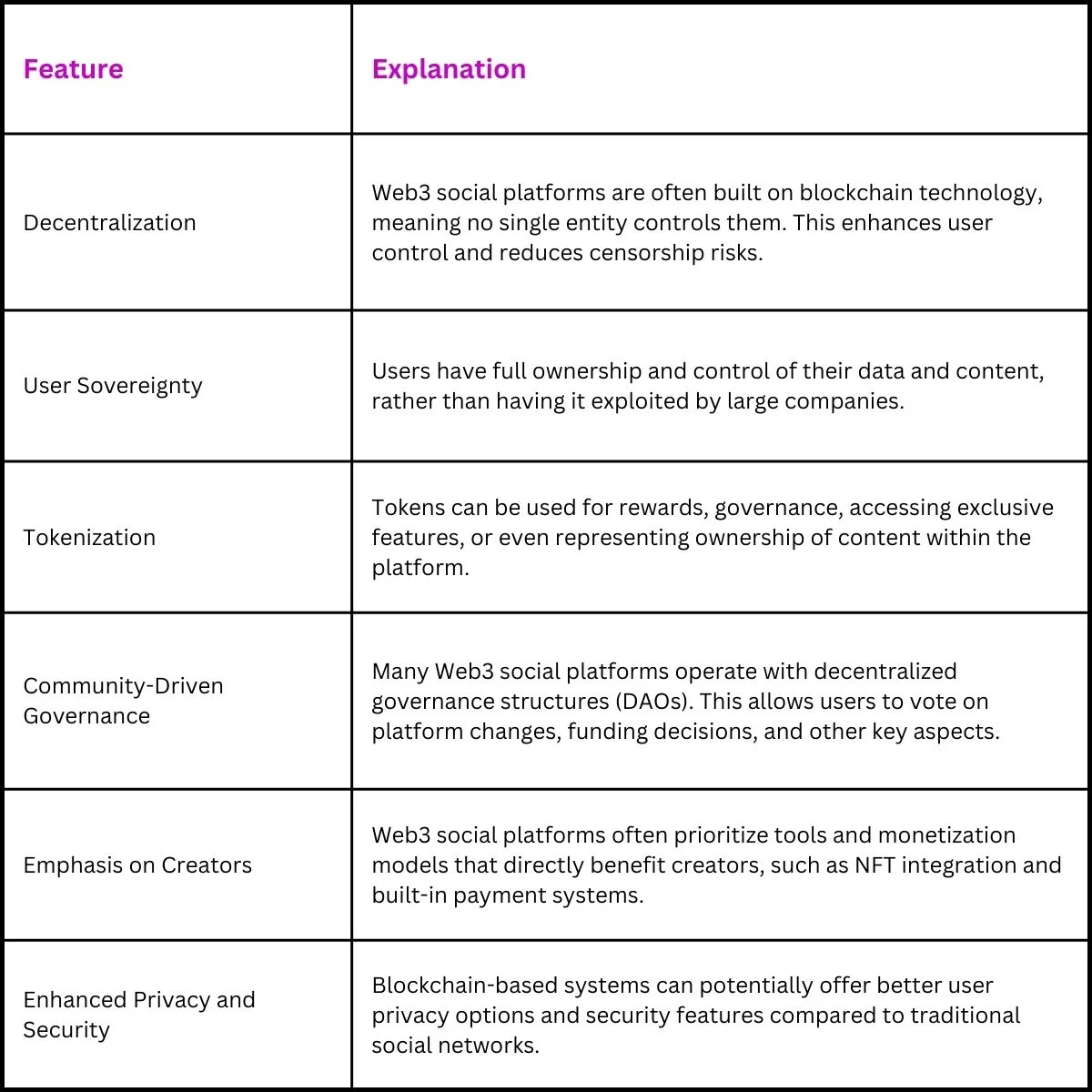
Web3 social platforms have replaced the traditional advertising revenue model with direct creator economies. Instead of waiting for a platform to decide you are "monetizable," you earn value the moment you contribute. This shift turns every post, comment, or share into a potential revenue stream through native token rewards.
Earning through platform tokens
Most decentralized social networks issue their own governance or utility tokens. These tokens serve as the primary incentive for engagement. When you post quality content, reply to discussions, or upvote valuable insights, the protocol often distributes tokens directly to your wallet. It is a transparent ledger where your attention is compensated in real time. For a deeper look at how these marketing loops work, TokenMinds outlines how these incentives accelerate project growth.
Tipping and micro-transactions
Direct tipping has become a staple of Web3 social interaction. Unlike traditional platforms that take a significant cut, Web3 tipping often operates on low-fee L2 networks or sidechains. This allows fans to send small amounts of cryptocurrency or platform-specific tokens to creators without the friction of high gas fees. It transforms passive consumption into active support, creating a tighter bond between the audience and the creator.
Subscription and gated content
Beyond public rewards, Web3 social strategies increasingly rely on token-gated subscriptions. Creators can set up paid membership tiers where access to exclusive channels, newsletters, or early content requires holding a specific token or NFT. This model provides predictable recurring revenue while giving subscribers a sense of ownership and community status. It is less about viral reach and more about cultivating a dedicated, paying base.
The role of social tokens
Some creators and communities launch their own "social tokens." These act as a form of equity in the creator’s brand. Holders of these tokens often get access to real-world events, direct DMs, or co-creation opportunities. This mechanism aligns the incentives of the creator with their most loyal supporters, turning fans into stakeholders who benefit when the creator’s value proposition grows.
Build an audience graph that travels with you
Most social platforms treat your followers as rented land. If the algorithm changes or the app shuts down, your audience disappears. Web3 social strategy flips this model by giving you a portable onchain identity. Your social graph—the connections, reputation, and content history—lives on the blockchain, not in a corporate database. This portability is your primary leverage in 2026.
When your identity is onchain, you can move your audience between apps without losing value. A creator building on Lens Protocol or Farcaster doesn't just own their posts; they own the network effect. This means you can switch interfaces or try new platforms while keeping your community intact. The graph follows you, ensuring that your engagement never resets to zero.
This portability creates a durable moat. Competitors can copy your content, but they cannot copy the onchain reputation tied to your address. As noted by Gitcoin, Web3 social protocols allow users to own their social graphs and reputation, turning audience retention into a tangible asset. You are no longer building on sand; you are building on a ledger that you control.
The State of Web3 Social Strategy
The Web3 social sector is moving from experimental protocols to a mature infrastructure layer. In 2026, the focus has shifted from simple token rewards to sustainable identity monetization. Platforms are no longer just about decentralization; they are about owning your social graph and data across applications.
According to Alchemy’s 2026 directory, there are now over 100 active Web3 social media dApps. This growth signals that the market has found product-market fit. Users are increasingly demanding control over their personal data and content, moving away from centralized intermediaries.
This trend is visible in the broader market. As the underlying blockchain infrastructure stabilizes, the value of onchain identity grows. A TechnicalChart of Ethereum helps visualize the correlation between network health and social application adoption.
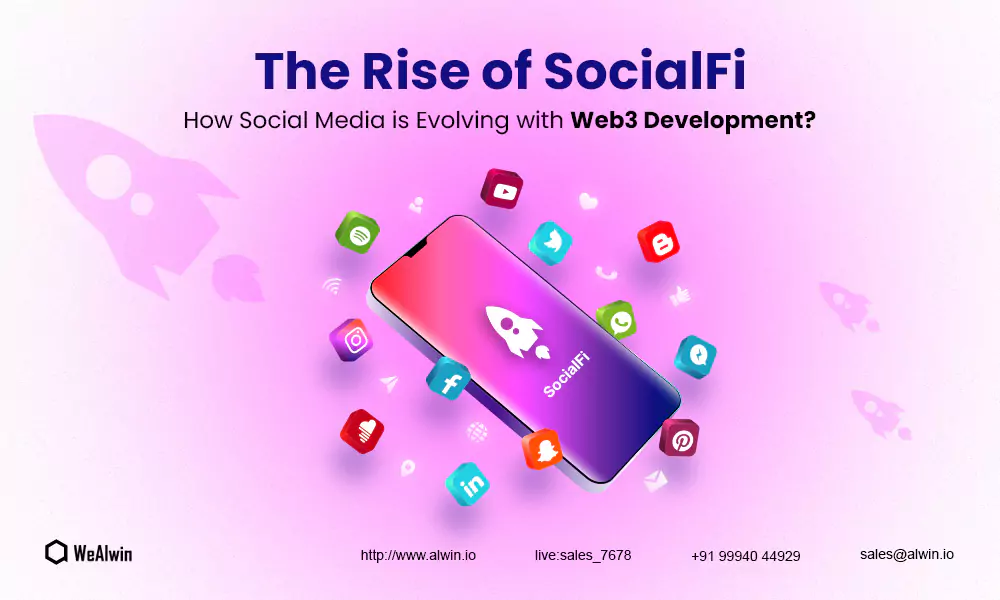
The rise of these platforms validates the Web3 social strategy. By leveraging decentralized networks, creators and brands can build direct relationships with their audiences. This shift creates new monetization paths that are resistant to platform censorship and algorithmic changes.
Frequently asked: what to check next
Is Web3 trustworthy? Trust in Web3 social strategy relies on code, not corporate promises. Unlike Web2 platforms where data is siloed, Web3 uses decentralized networks to give users true ownership of their identity and content [src-serp-7]. While the infrastructure is more transparent, it still requires vigilance. Always verify smart contract audits and platform governance models before committing data or capital.
How can I use Web3 to make money? Monetization in Web3 social media shifts from ad-revenue sharing to direct creator rewards. You can earn tokens by posting, commenting, or sharing content on decentralized platforms [src-serp-6]. Additionally, owning your digital identity allows for unique opportunities like minting content as NFTs or participating in platform-specific token economies, turning engagement into tangible assets rather than just vanity metrics.
Why did Web 3.0 fail? Web 3.0 didn’t fail; it evolved. Early iterations struggled with poor user experience and complex onboarding, leading to a perception of failure. However, the underlying technology—blockchain, decentralized storage, and digital ownership—remains foundational. The current wave focuses on solving these friction points, making Web3 social tools more usable while retaining the benefits of user sovereignty.
No comments yet. Be the first to share your thoughts!