Web3 social strategy limits to account for
Use this section to make the Web3 Social Strategy decision easier to compare in real life, not just on paper. Start with the reader's actual constraint, then separate must-have requirements from details that are merely nice to have. A practical choice should survive normal use, maintenance, timing, and budget. If a recommendation only works in an ideal situation, call that out plainly and give the reader a fallback path.
The simplest way to use this section is to write down the must-have criteria first, then compare each option against those criteria before weighing nice-to-have features.
Web3 social strategy choices that change the plan
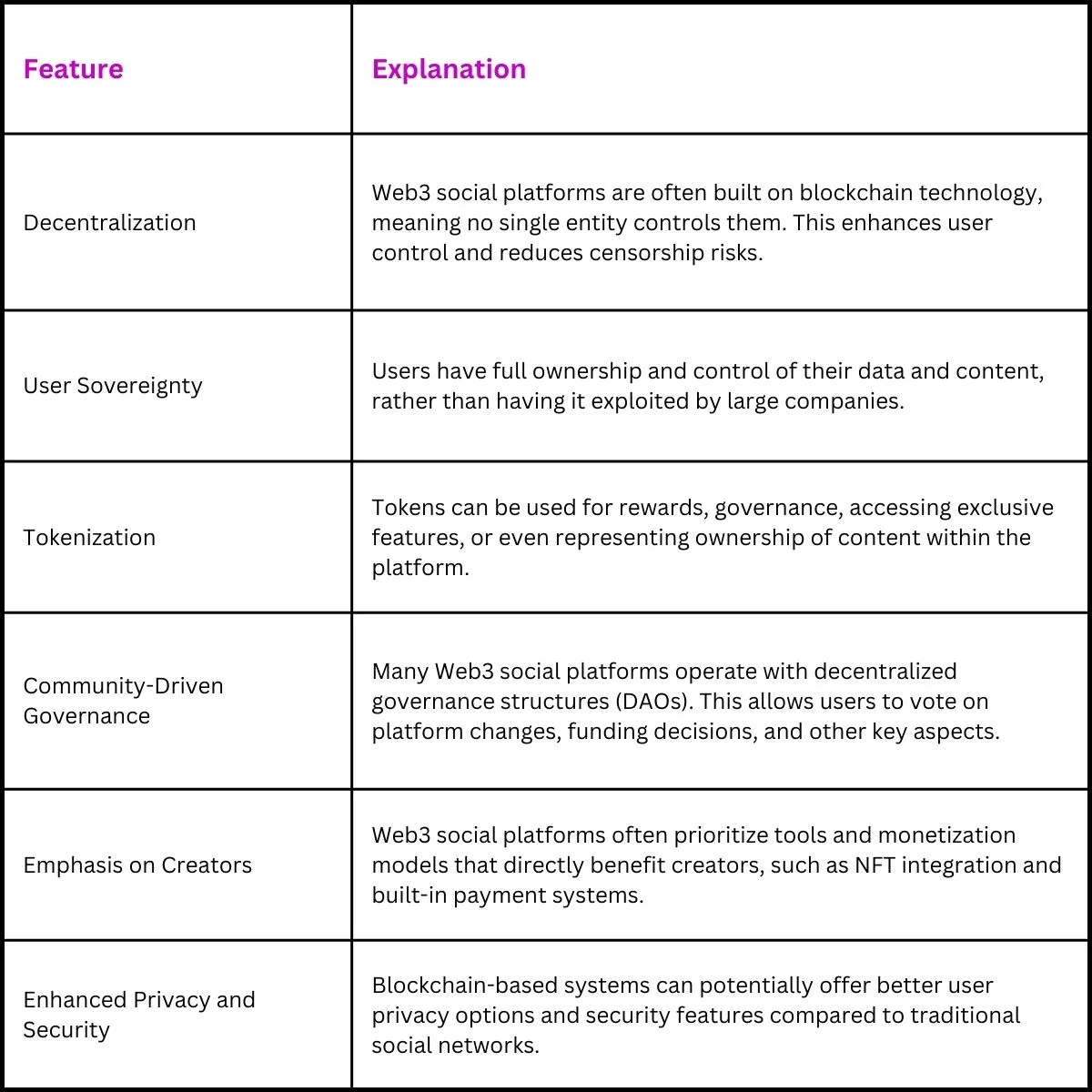
Building a Web3 social strategy requires balancing creator control against user friction and platform liquidity. Unlike Web2, where algorithms dictate reach, Web3 places ownership in the hands of the user, but this shift introduces specific operational hurdles. Creators must evaluate how decentralized identity, token incentives, and network effects interact to determine which path fits their monetization goals.
The following comparison breaks down the primary tradeoffs between building on established social protocols versus launching independent creator-owned platforms. This table highlights the concrete factors that influence audience growth, revenue stability, and technical complexity.
| Factor | Protocol-Based | Independent Platform |
|---|---|---|
| Audience Acquisition | Leverages existing network effects; lower initial barrier to entry. | Requires driving external traffic; higher initial friction. |
| Revenue Control | Shared revenue models; platform fees apply to transactions. | Full revenue retention; creator sets fee structures. |
| Data Ownership | Social graph stored on-chain; portable across apps. | Full control over user data and analytics. |
| Technical Complexity | Low; integrates with existing wallets and interfaces. | High; requires custom infrastructure and maintenance. |
| Community Governance | DAO-driven; slow decision-making but high alignment. | Centralized control; fast iteration but potential backlash. |
Protocol-based strategies offer a lower barrier to entry by tapping into established user bases on networks like Farcaster or Lens. However, this convenience comes with shared revenue models and less control over the user experience. Independent platforms provide maximum revenue retention and data ownership but demand significant technical resources to drive and retain an audience.
Choose Your Web3 Social Infrastructure
Building a monetization strategy requires matching your content format to the right blockchain infrastructure. The gap between traditional social media and Web3 is not just technology; it is about where your audience lives and how they value attention. Use this framework to select the correct stack for your creator goals.
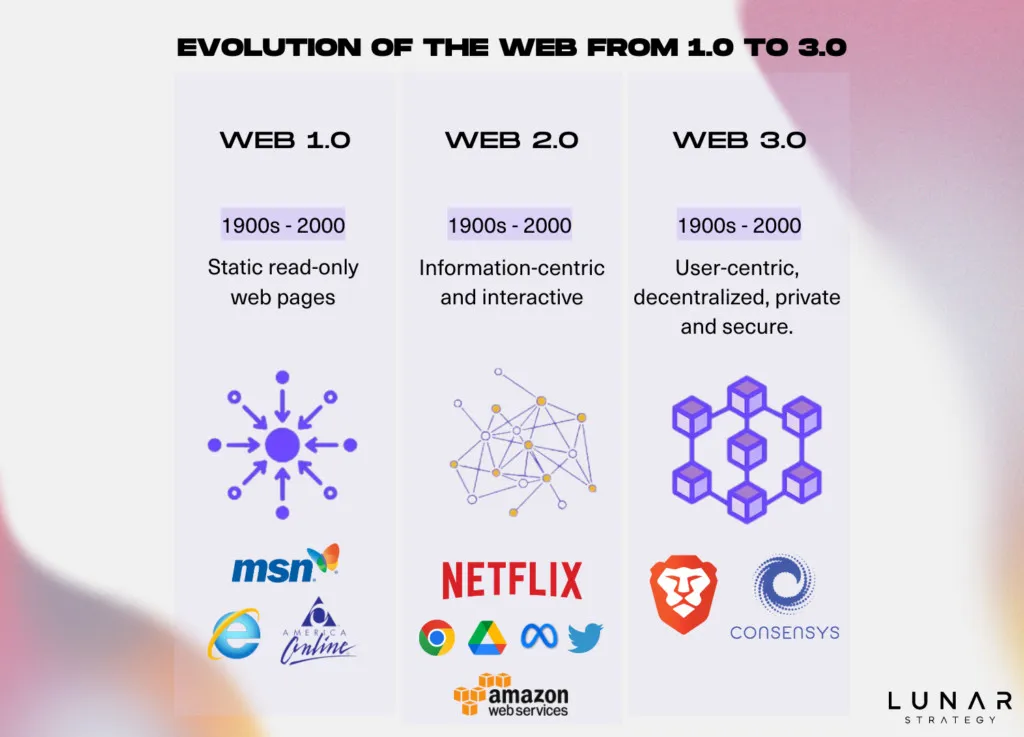
Before launching, verify where your specific niche is active. Web3 social is not a monolith; it is fragmented across different chains and communities. Check if your followers are already using decentralized profiles or if they require a bridge to on-chain interactions. Start where the attention already exists to minimize friction.
Choose a primary platform that aligns with your content type. Text-heavy creators often prefer platforms with decentralized identity layers like Lens or Farcaster, while video or visual creators may find better monetization tools on platforms integrating Solana or Ethereum NFTs. Your protocol choice dictates your native token compatibility and community governance.
Deploy AI agents to handle community moderation and content distribution. These agents can monitor on-chain engagement metrics and auto-reply to high-value interactions. This automation allows you to scale your presence without sacrificing the personal touch that drives Web3 loyalty. Ensure your AI agents are configured to respect community guidelines.
Link your traditional social handles to your wallet address. This creates a verifiable reputation score that audiences can audit. A strong on-chain identity increases trust and makes it easier to attract long-term supporters who value transparency. Use this identity to gate exclusive content or offer token-gated access to your community.


As an Amazon Associate, we may earn from qualifying purchases.
Common Web3 Social Mistakes
Creators entering the space often confuse decentralization with ease. The gap between marketing hype and actual utility creates specific traps that drain time and capital. Identifying these weak options early prevents wasted effort.
Chasing Vanity Metrics
Many platforms reward follower counts with token airdrops. These numbers rarely convert to sales or engagement. A large audience on a dead protocol is not an asset. Focus on on-chain activity and direct wallet interactions instead.
Ignoring Wallet Friction
Web3 social requires users to manage keys and pay gas. If the onboarding flow is clunky, you lose 90% of visitors. Do not build complex dApps for casual audiences. Start with simple actions like minting a badge or joining a DAO.
Assuming Token Utility
Earning tokens does not mean you can spend them. Many social tokens have no liquidity or real-world use cases. Check the tokenomics before launching. If the token has no clear value proposition, it is just digital confetti.
Overlooking AI Integration
AI agents can automate content distribution and community management. Without this layer, manual scaling is impossible. Use AI to filter spam and personalize feeds. This makes the decentralized experience feel as smooth as Web2.
Web3 social strategy: what to check next
Before committing resources to onchain identity or AI agent workflows, it helps to address the practical objections that often stall adoption. The landscape is shifting rapidly, but the core mechanics of ownership and monetization remain distinct from traditional social media models.
No comments yet. Be the first to share your thoughts!