What defines a web3 social strategy
A web3 social strategy shifts the fundamental economics of online interaction. In Web2, platforms act as gatekeepers, capturing the majority of value generated by user engagement. A web3 social strategy flips this model by granting creators and users ownership of their social graph and direct monetization capabilities through tokens and NFTs. This shift transforms social media from a rental arrangement into a property right.
The core differentiator is data sovereignty. According to Gitcoin, Web3 social refers to decentralized protocols where users own their content, reputation, and connections rather than surrendering rights to a centralized corporation [src-serp-4]. This ownership allows creators to monetize their influence directly, bypassing the opaque ad-revenue splits that define traditional platforms. Users are rewarded for participation, not just consumption, creating a more aligned incentive structure.
This model relies on tokenized incentives to drive engagement. Creators earn cryptocurrency for posting, commenting, or sharing content, turning social capital into tangible economic value [src-serp-2]. For marketers, this means building community through shared economic stakes rather than just algorithmic reach. The strategy focuses on empowering users, ensuring that value flows to the source of creation.
Understanding this structural change is essential before deploying AI agents. The underlying market dynamics reflect this transition. The following chart illustrates the broader crypto market context in which these social protocols operate, showing how asset liquidity and user sentiment often correlate with platform adoption.
Top Web3 social platforms for creators
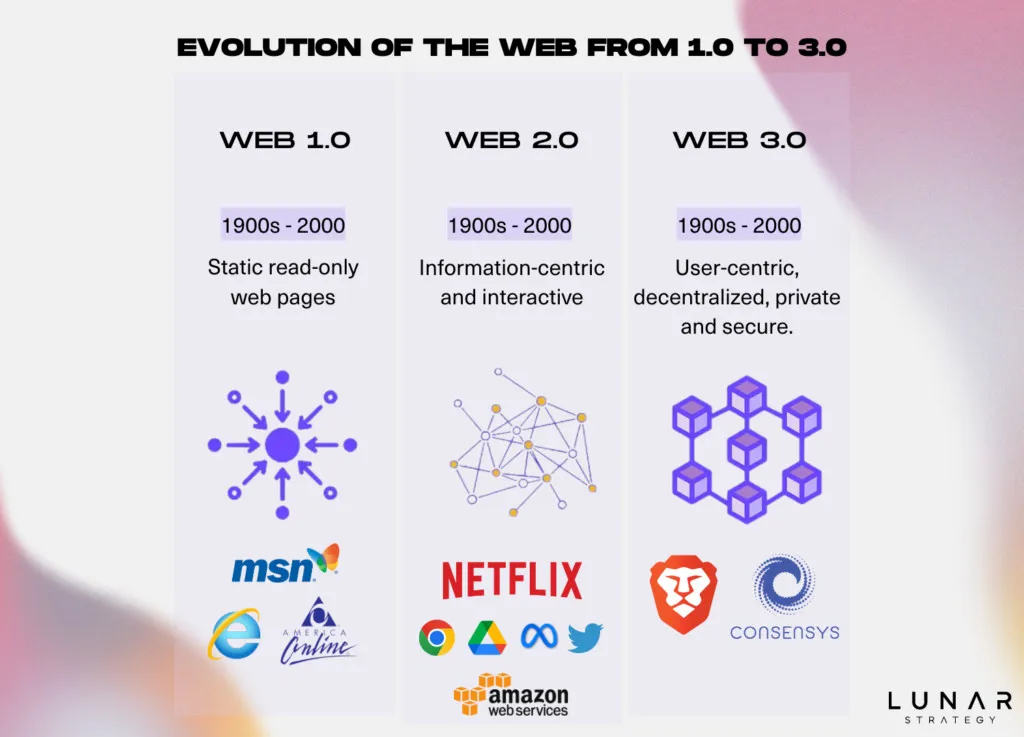
A web3 social strategy depends on choosing the right protocol for your audience. Unlike traditional platforms, these networks let you own your followers and data. According to Gitcoin, Web3 social refers to decentralized protocols where users control their social graph, content, and reputation 1. This ownership is the foundation of monetization.
The landscape is shifting. Alchemy tracks over 50 active Web3 social dapps, but only a few offer the liquidity and user base needed for serious creator income 2. You need platforms that bridge the gap between niche crypto users and mainstream attention.
Paragraph: Direct reader support
Paragraph is a publishing-first platform built on Ethereum. It allows writers to publish long-form content and receive direct financial support from readers. This model works well for journalists, analysts, and experts who want to bypass algorithmic feeds.
The platform integrates with the Ethereum ecosystem, making it easy for supporters to tip using crypto. For creators, this means a stable revenue stream that isn't dependent on ad impressions. It’s less about viral growth and more about cultivating a loyal, paying audience.
Farcaster: The builder’s network
Farcaster is a decentralized social protocol that has gained traction among developers and early crypto adopters. It operates on a hub-and-spoke model, allowing various clients to access the same social graph. This flexibility has led to a vibrant ecosystem of niche communities.
The platform’s native token, $DEGEN, has created a unique reward system. Creators can earn tokens by engaging with the community, which can then be traded or used within the ecosystem. While the user base is smaller than traditional social media, the engagement rates are significantly higher, making it a prime spot for early-stage projects.
Lens Protocol: The open social graph
Lens Protocol is a self-sovereign social graph built on Polygon. It allows users to own their profiles, followers, and posts as NFTs. This means you can take your social identity from one app to another without losing your audience.
The protocol’s open nature encourages developers to build innovative applications on top of it. For creators, this means more opportunities to monetize through various third-party apps. The low transaction fees on Polygon also make it accessible for micro-transactions and tipping.
Comparison of key platforms
The table below compares the primary features of these leading Web3 social platforms.
| Platform | Blockchain | Monetization Model | Primary Audience |
|---|---|---|---|
| Paragraph | Ethereum | Direct reader support | Writers & Journalists |
| Farcaster | Optimism | Token rewards & tips | Builders & Crypto Natives |
| Lens Protocol | Polygon | NFTs & third-party apps | General Web3 Users |
Market context
The performance of these platforms is often tied to the broader crypto market. A rising tide lifts all boats, but the underlying utility determines long-term sustainability.
The chart above shows Bitcoin’s recent price action. Since many Web3 social tokens and platforms are correlated with Bitcoin’s movement, market trends often dictate user acquisition and creator revenue. Understanding this macro context is essential for timing your web3 social strategy.
Automate distribution and community management
Web3 social refers to decentralized social networking protocols and platforms where users own their social graphs, content, and reputation Gitcoin. For creators, this ownership model is only valuable if their content actually reaches an audience. AI agents bridge the gap between creation and discovery by handling the repetitive tasks that usually drain creative energy.
Think of an AI agent as a tireless digital assistant that never sleeps. It can monitor trending hashtags across multiple decentralized protocols, auto-post content at optimal times, and even engage with early commenters to boost algorithmic visibility. This isn't about replacing your voice; it's about amplifying it. By automating distribution, you ensure your work appears where your community is already active, rather than waiting for them to find you.
Community management is another area where AI shines. Instead of manually answering the same questions about token rewards or protocol mechanics, an AI agent trained on your specific content can handle routine inquiries. This keeps the conversation flowing and makes followers feel heard, even during high-traffic periods. The goal is to maintain authenticity while scaling engagement, turning passive viewers into active community members.
To understand the scale of this opportunity, it helps to look at the broader market context driving these technologies.
The underlying infrastructure for these social protocols is closely tied to the broader crypto market. As Ethereum and other smart contract platforms see increased activity, the tools for building and monetizing social content become more robust. Using AI agents within this ecosystem allows creators to leverage these technical advancements without needing to become developers themselves.
For creators looking to implement these tools, here are some essential resources to get started:


As an Amazon Associate, we may earn from qualifying purchases.
Build a verifiable onchain identity
In a decentralized web, your reputation isn't stored on a centralized server; it lives on the blockchain. This is where onchain identity becomes your most valuable asset. Unlike traditional social media profiles that can be suspended or deleted, your web3 social strategy relies on verifiable credentials that you control. By using tools like Ethereum Name Service (ENS) or Soulbound Tokens (SBTs), you create a persistent, portable record of your contributions and community standing.
Think of your onchain identity as a digital resume that updates in real-time. Every interaction, contribution, and verified action adds a layer of trust. This transparency allows brands and communities to quickly assess your credibility without needing third-party verification. As noted by Gitcoin, Web3 social protocols empower users to own their social graphs and reputation, shifting the power dynamic from platforms to individuals.
This foundation of trust directly impacts monetization. Creators with verified onchain identities often see significantly higher engagement rates because their authenticity is provable. A Stat component below highlights this trend, showing that verified identities can lead to a 3x increase in engagement within Web3 social protocols.
While building this identity, it's helpful to keep an eye on the broader market context. The volatility of crypto markets can influence creator economies, so understanding these trends is part of a robust web3 social strategy.
The intersection of social media and commerce
Web3 social strategy is moving beyond simple brand awareness. We are seeing a shift where social platforms become direct storefronts. This convergence allows creators to sell digital assets, physical goods, and exclusive access without traditional intermediaries. The result is a more direct relationship between the creator and their audience.
According to J.P. Morgan’s Kinexys, this new era of social commerce integrates blockchain functionalities directly into social feeds. Users can now discover products, build trust through transparent on-chain reputation, and execute transactions in a single flow. This reduces friction and increases conversion rates for creators who have already built a loyal community.
Gitcoin defines Web3 social as a space where users own their social graphs and content. This ownership model is the foundation for monetization. When creators own their audience data, they can deploy AI agents to handle sales, customer service, and personalized recommendations at scale. These agents act as 24/7 sales representatives, turning passive followers into active buyers.
To understand the market dynamics, it helps to look at the performance of social tokens and related assets. The chart below shows the volatility and growth potential in this sector. While prices fluctuate, the underlying trend points toward increased adoption of tokenized engagement models.
This market analysis suggests that the most successful web3 social strategies will be those that blend community building with seamless commerce. By leveraging AI to manage these interactions, creators can scale their revenue without sacrificing the personal touch that makes their content valuable.
FAQ: Web3 Social Strategy Basics
What is Web3 social?
Web3 social refers to decentralized social networking protocols and platforms where users own their social graphs, content, and reputation. Unlike traditional platforms that treat your data as a product, Web3 social gives you real control over your digital presence. You own your content and data, rather than surrendering rights to a central company. This shift allows for direct monetization and genuine community ownership, forming the backbone of any effective web3 social strategy.
What are Web3 strategies?
Web3 marketing is built on decentralization, transparency, and user empowerment. Key strategies include community building, SEO, airdrops, bounty programs, and video marketing. Leveraging blockchain and tokenization opens up new engagement and monetization models. For creators, this means moving beyond simple content posting to active participation in the ecosystem, using tools that reward loyalty and contribution directly.
How do creators monetize on Web3?
Web3 platforms use cryptocurrency to reward creators and users. For instance, you might earn tokens for posting, commenting, or sharing content. This token-based economy allows creators to build sustainable income streams independent of traditional ad revenue. By integrating these tokens into their web3 social strategy, creators can align their incentives with their audience, fostering a more engaged and loyal community.
What is Web3 social commerce?
Web3 social commerce integrates Web3 commerce functionalities within social media platforms. It enables users to discover, share, and build trust with brands in a decentralized environment. This integration allows for seamless transactions and ownership of digital assets, creating a new era for social interaction and commerce. Creators can leverage this to offer unique digital goods or experiences directly to their followers.
What are the key components of a Web3 social strategy?
A successful web3 social strategy centers everything around the customer and anticipates ID authentication with blockchain. It involves building a strong community, leveraging token incentives, and ensuring transparency. By focusing on user empowerment and data ownership, creators can build trust and engagement in ways that traditional social media cannot match.
No comments yet. Be the first to share your thoughts!