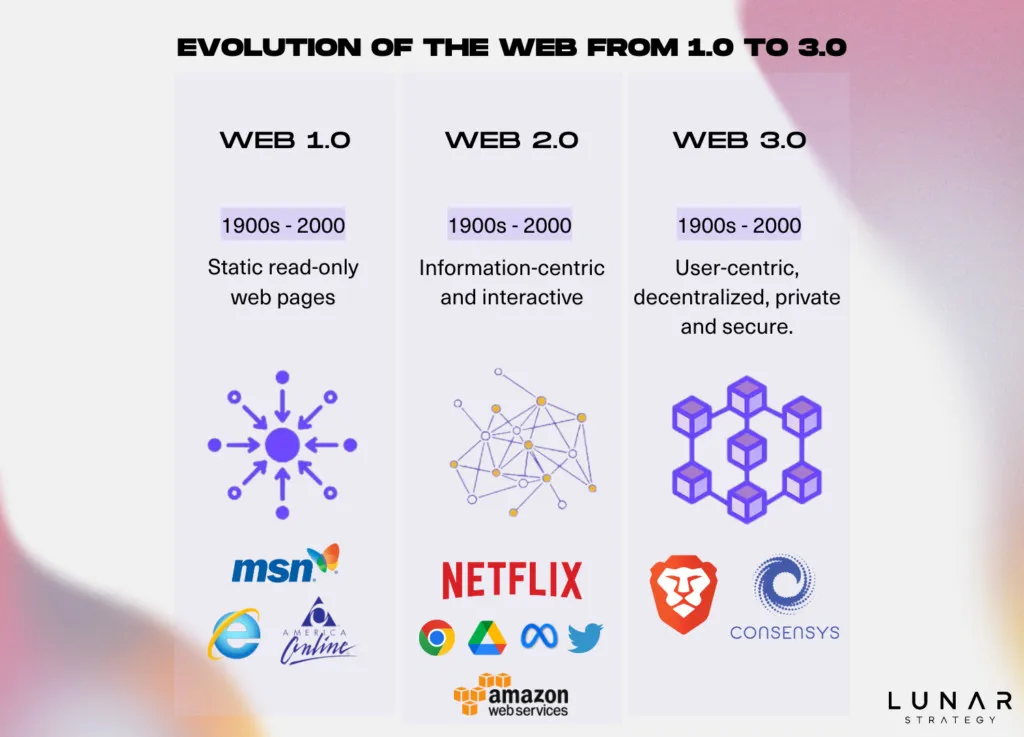
The shift to onchain social graphs
Use this section to make the Web3 Social Strategy decision easier to compare in real life, not just on paper. Start with the reader's actual constraint, then separate must-have requirements from details that are merely nice to have. A practical choice should survive normal use, maintenance, timing, and budget. If a recommendation only works in an ideal situation, call that out plainly and give the reader a fallback path.
The simplest way to use this section is to write down the must-have criteria first, then compare each option against those criteria before weighing nice-to-have features.
Deploying AI agents for audience growth
Autonomous AI agents are shifting from experimental bots to the primary drivers of audience acquisition on decentralized networks. Unlike traditional social media automation, which often triggers platform bans, Web3 social agents operate on-chain, leveraging smart contracts to manage interactions transparently. This structural shift allows creators to scale engagement without sacrificing the trust that underpins community value.
The core mechanism relies on agents that can read on-chain identity and social graph data to identify high-intent users. Instead of broadcasting generic content, these agents curate and distribute posts based on real-time interest signals. For instance, an agent might automatically engage with users who have recently minted specific NFTs or participated in governance votes, ensuring that outreach is contextually relevant.
This approach transforms content distribution from a static broadcast into a dynamic, responsive network effect. By automating the initial layers of engagement, creators can focus on high-value interactions while the agents handle volume. The result is a more efficient growth loop where every interaction is recorded, verifiable, and potentially monetizable through tokenized incentives.
Market interest in this convergence of AI and social infrastructure is reflected in the performance of related assets. The price action of major AI-social tokens shows how investors are pricing in the utility of these autonomous systems.
Top Web3 social tools for creators
Use this section to make the Web3 Social Strategy decision easier to compare in real life, not just on paper. Start with the reader's actual constraint, then separate must-have requirements from details that are merely nice to have. A practical choice should survive normal use, maintenance, timing, and budget. If a recommendation only works in an ideal situation, call that out plainly and give the reader a fallback path.
| Factor | What to check | Why it matters |
|---|---|---|
| Fit | Match the option to the primary use case. | A good deal still fails if it does not fit the job. |
| Condition | Verify age, wear, and service history. | Hidden condition issues erase upfront savings. |
| Cost | Compare purchase price with likely upkeep. | The cheapest option is not always the lowest-cost option. |
Turning Reputation Into Revenue
Your onchain identity is no longer just a digital resume; it is a revenue engine. By leveraging token-gated content and NFT memberships, you can transform social capital into direct income streams. This shift moves beyond the attention economy, where creators compete for clicks, into a value economy where ownership and reputation are the primary currencies.
Token-Gated Content
Token-gated content restricts access to exclusive materials based on wallet holdings. This mechanism allows creators to monetize their community directly. When a user holds a specific NFT or token, they gain entry to premium articles, video tutorials, or private Discord channels. This model ensures that only dedicated supporters can access high-value resources, creating a sustainable income loop that relies on loyalty rather than ad revenue.
NFT Memberships
NFT memberships function as digital subscriptions that grant holders specific privileges. Unlike traditional subscriptions, these assets are tradable, meaning the creator retains a percentage of secondary sales. This structure aligns long-term incentives between the creator and the community. Holders are motivated to support the project’s growth because their asset’s value is tied to the platform’s success, fostering a more engaged and financially invested audience.
Frequently asked: what to check next
Is Web3 trustworthy?
Trust in Web3 is binary: code is law, but bugs are fatal. Unlike Web2, where you trust a corporation’s privacy policy, Web3 requires you to trust the underlying smart contracts. This shift places the burden of security on developers and users alike, making audits and transparency more critical than marketing claims.
How can I use Web3 to make money?
Monetization in Web3 social media centers on ownership. Creators earn directly through token-gated content, NFT-based subscriptions, and decentralized advertising revenue shares. By holding the social graph assets, users capture value that platforms previously kept centralized.
What does Elon Musk think of Web3?
Elon Musk has historically dismissed Web3 as a "scam" and questioned the utility of NFTs, preferring to focus on decentralized finance (DeFi) and blockchain infrastructure. His public skepticism highlights the ongoing tension between Web2 giants and the decentralized ethos, though his companies continue to experiment with onchain elements.
Why did Web 3.0 fail?
Web3 has not failed, but it has stalled. Early hype outpaced practical utility, leading to a cycle of speculation rather than adoption. The current phase focuses on fixing user experience and solving the "onboarding problem" so that non-crypto natives can interact with decentralized apps without friction.
Helpful gear
Use these product recommendations as a starting point, then choose the size, material, and price point that fit how you actually use the gear.


As an Amazon Associate, we may earn from qualifying purchases.
No comments yet. Be the first to share your thoughts!