Web3 social infrastructure limits to account for
Use this section to make the Web3 Social Analysis decision easier to compare in real life, not just on paper. Start with the reader's actual constraint, then separate must-have requirements from details that are merely nice to have. A practical choice should survive normal use, maintenance, timing, and budget. If a recommendation only works in an ideal situation, call that out plainly and give the reader a fallback path.
The simplest way to use this section is to write down the must-have criteria first, then compare each option against those criteria before weighing nice-to-have features.
Web3 social infrastructure choices that change the plan
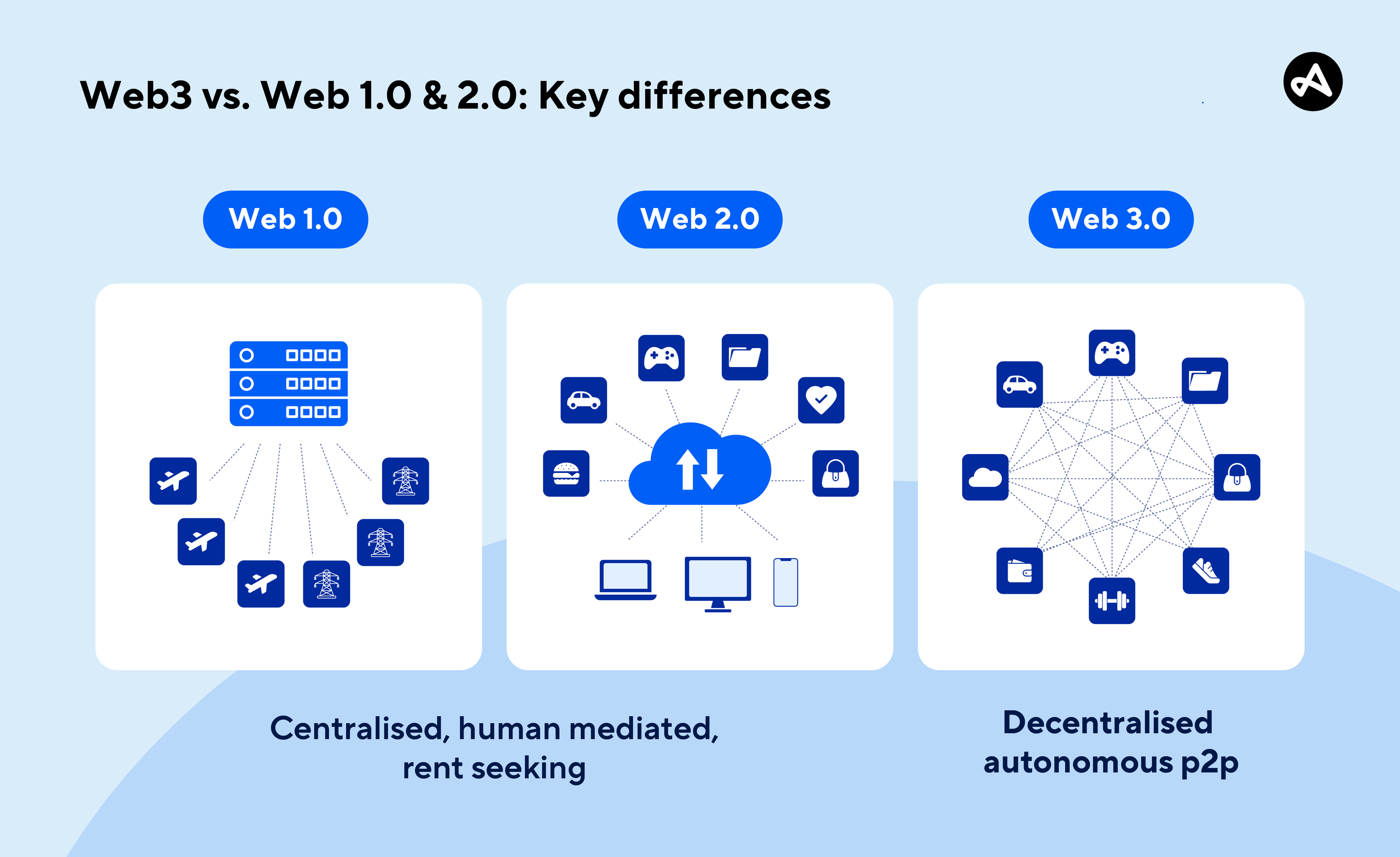
Choosing the right onchain social layer requires balancing three competing priorities: user friction, data portability, and monetization flexibility. Unlike Web2 platforms that lock social graphs behind proprietary APIs, Web3 infrastructure aims to give creators ownership of their audience and revenue streams. However, this ownership comes with tangible technical and operational costs that can impact growth and engagement.
The primary tradeoff involves the user experience. Decentralized identity and wallet connections create a higher barrier to entry for mainstream audiences compared to simple email sign-ups. This friction is the price of true data sovereignty. Creators must decide if their audience values ownership enough to navigate wallet setup and transaction signing. Platforms like UXLINK and RSS3 attempt to mitigate this by abstracting backend complexity, but the fundamental tension between ease-of-use and decentralization remains.
| Factor | Web2 Platforms | Web3 Social Protocols |
|---|---|---|
| Data Ownership | Platform-controlled | User-controlled (onchain) |
| Monetization | Ad-revenue share / Platform fees | Direct tips, subscriptions, NFTs |
| User Onboarding | Email/Phone (Low friction) | Wallet/Seed Phrase (High friction) |
| Data Portability | Locked within app | Cross-platform compatible |
| Content Moderation | Centralized corporate policy | Community-driven / Onchain governance |
Data portability represents the most significant advantage for long-term creator strategy. In Web2, moving an audience to a new platform often means losing historical engagement metrics and follower connections. Onchain infrastructure allows social graphs to be portable. A creator can switch frontends without losing their reputation or history, fostering a more resilient relationship with their audience. This flexibility supports diverse monetization models, from direct tipping to token-gated communities, without relying on a single platform’s policy changes.
However, monetization complexity introduces new challenges. While Web3 removes platform intermediaries, it shifts the burden of financial management to the creator. Handling crypto payments, managing gas fees, and navigating tax implications require technical literacy. For many creators, the administrative overhead of onchain transactions may outweigh the benefits of lower fees. The infrastructure must support seamless fiat on-ramps and intuitive user interfaces to make this tradeoff worthwhile for non-technical audiences.
How to Choose the Right Web3 Social Infrastructure
Selecting a Web3 social protocol requires more than just picking the most popular token. Creators must evaluate which infrastructure layer aligns with their specific monetization model. The decision framework below breaks down the primary options into actionable steps, focusing on control, revenue streams, and technical overhead.
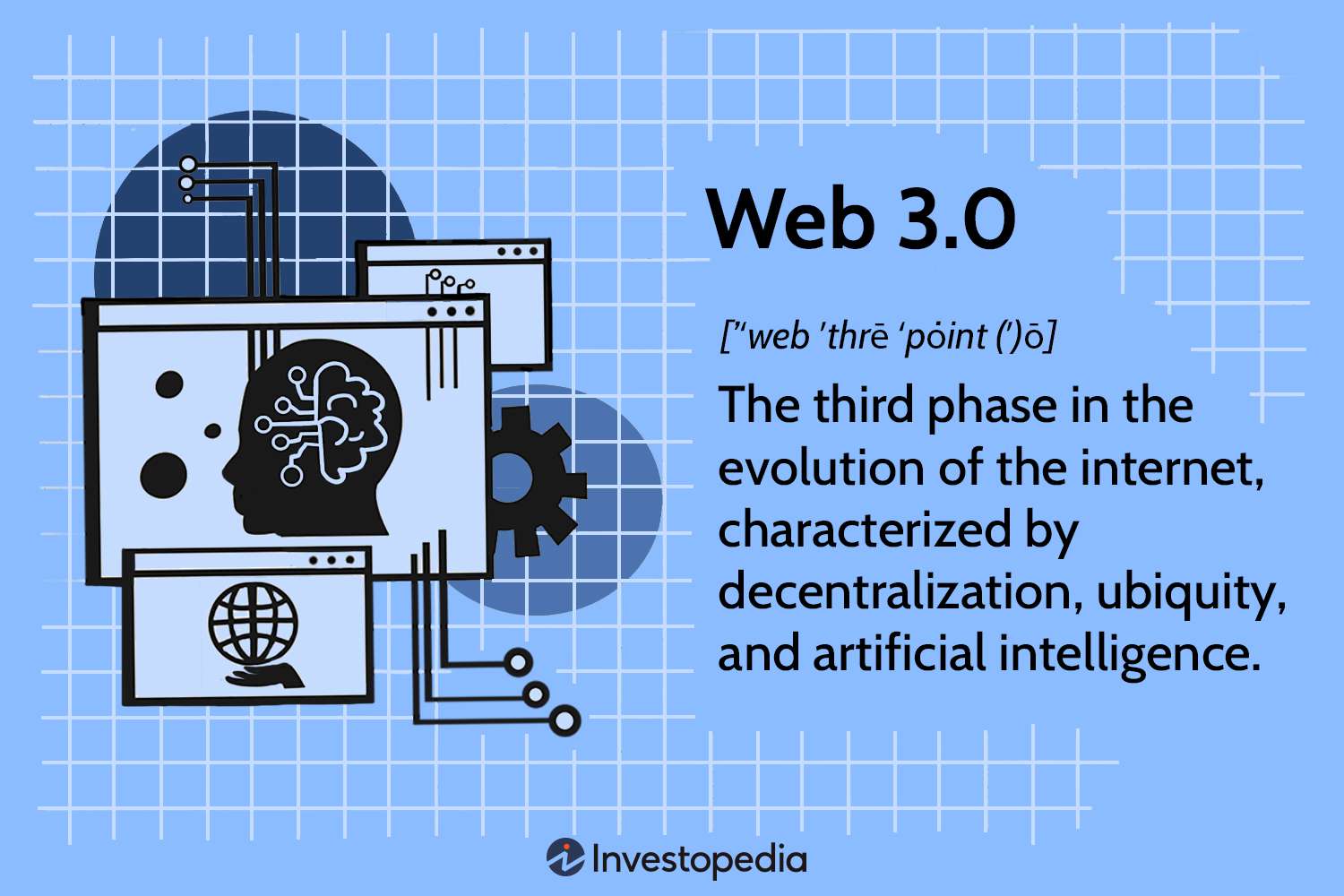
Determine if you need full portability of your social graph. Protocols that store data on-chain or in decentralized storage (like IPFS) allow you to move your audience between apps without losing followers. If you are willing to trade portability for a polished, user-friendly experience, centralized Web2 platforms may still offer better initial growth. For true ownership, look for standards like AT Protocol or ActivityPub that ensure your content isn't locked in a single walled garden.
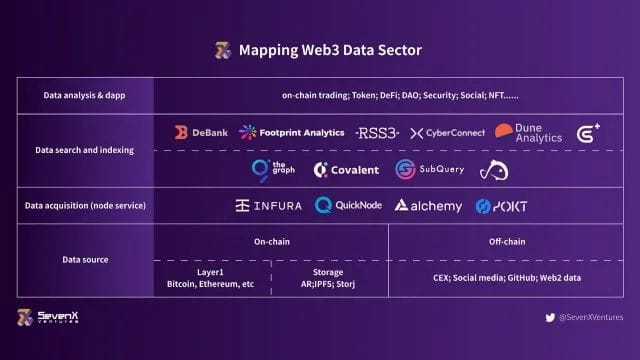
Web3 infrastructure enables direct creator-to-fan transactions that bypass platform fees. Choose a protocol that supports native tipping, subscription models, or token-gated content. Platforms like UXLINK offer infrastructure for both users and developers, allowing for more complex economic models such as NFT-based access passes. If your revenue relies on brand deals, ensure the platform allows for external linking and doesn't restrict promotional content through algorithmic shadow-banning.
Onchain interactions require wallet management and gas fee awareness, which can create friction for casual audiences. If your primary audience is non-crypto natives, prioritize platforms that offer account abstraction or social login options. These tools hide the complexity of blockchain transactions behind familiar email or Google login interfaces. High technical barriers can significantly reduce your potential reach, so balance decentralization with usability based on your follower demographics.
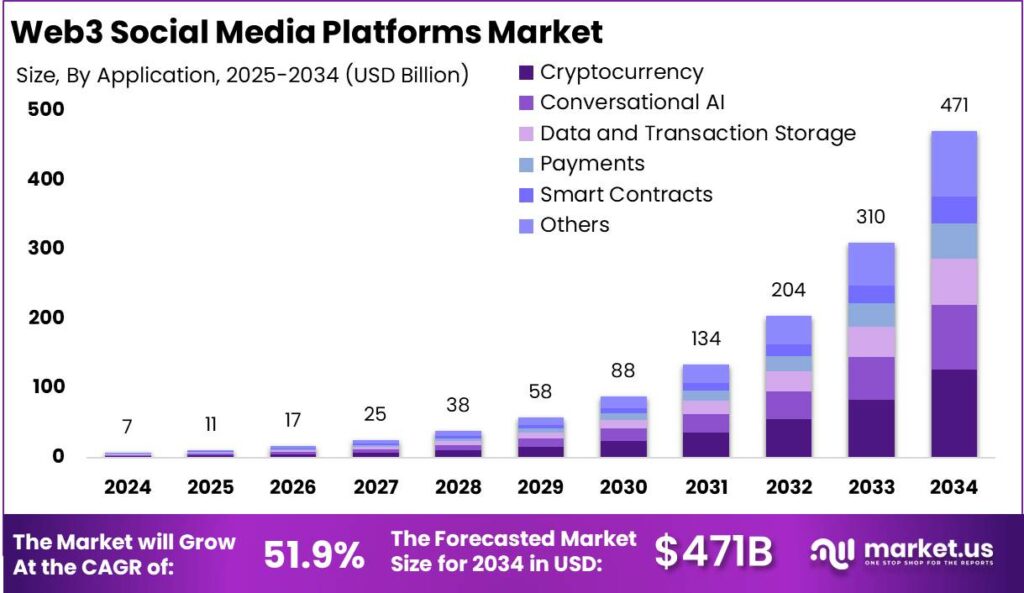
A social protocol is only as valuable as its active user base. Before committing, check the daily active users (DAU) and content volume on the specific app built on that protocol. Many Web3 social experiments have strong technology but weak adoption. Look for platforms where creators are already earning and interacting. If the network is too small, your content will have negligible visibility regardless of how innovative the monetization tools are.
Common Misleading Claims in Web3 Social
Many platforms promise creator ownership but retain centralized control over data or revenue splits. This "decentralized" label often masks the reality that the underlying infrastructure is hosted on private servers, and the social graph can be deleted by the company if terms of service change. Always check the whitepaper or technical docs to see if the smart contracts are truly immutable and if the data storage uses decentralized protocols like IPFS or Arweave, rather than AWS or Azure.
Another frequent trap is the "play-to-earn" or "engage-to-earn" model that prioritizes token inflation over sustainable value. When rewards are funded solely by new user tokens, the price often crashes, leaving early creators with worthless assets. Look for platforms that generate real revenue from ads, subscriptions, or tipping, where creator payouts come from actual economic activity, not just token minting.
Finally, be wary of claims about "seamless" onboarding that ignore the complexity of wallet management. If a platform hides the fact that users must manage private keys or pay high gas fees for every interaction, it fails to deliver on the promise of accessibility. True Web3 social infrastructure should abstract these complexities without sacrificing the core principle of user sovereignty.
No comments yet. Be the first to share your thoughts!