Why Web3 Social Changes Creator Economics
Web2 social media operates on an attention economy where creators trade engagement for ad revenue share. Web3 social strategy flips this model by making the creator the owner of the platform's value. Instead of renting an audience from a centralized server, creators build on decentralized social (DeSoc) protocols where they hold their social graph, content, and reputation as verifiable digital assets.
This shift moves monetization from indirect ad impressions to direct ownership. JPMorgan’s Kinexys report notes that this transition creates a new era for social commerce, allowing creators to capture value directly through tokens, NFTs, and community membership. The infrastructure supports novel revenue streams that bypass traditional platform gatekeepers, aligning creator incentives with their audience rather than advertiser metrics.
The technical foundation for this strategy is visible in the market activity of social infrastructure tokens. The following chart illustrates the trading volume for ENS (Ethereum Name Service), a primary identity layer used in Web3 social applications.
Onchain Identity as Your Primary Asset
In traditional Web2, your audience is a liability. You build a following on Twitter or Instagram, but you don’t own the relationship. If the platform changes its algorithm or bans your account, your audience vanishes. In a Web3 social strategy, onchain identity flips this dynamic. Your wallet address and associated ENS domain become your portable, permanent identity, turning your social graph into a tangible asset you control.
This shift means your reputation travels with you. Whether you move from Lens Protocol to Farcaster, or from a DAO to a new creator platform, your onchain credentials—your history, contributions, and community standing—remain intact. You are no longer renting attention; you are accumulating verifiable social capital.
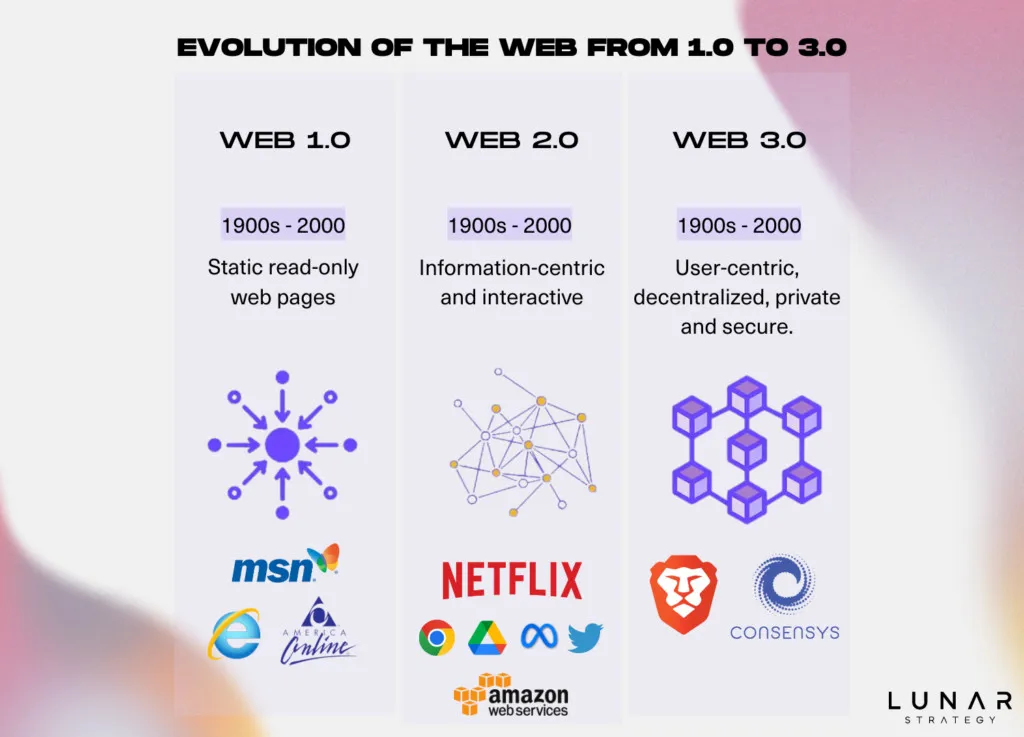
The economic implications are direct. When your identity is onchain, you can monetize your influence without intermediaries taking a 30% cut. Smart contracts allow for direct tipping, subscription-based access, and token-gated communities. Your wallet is your storefront, your bank, and your identity card all in one.
Top Web3 Social Tools for 2026
The Web3 social landscape has matured from experimental protocols to distinct monetization engines. Each platform offers a different mechanism for creators to capture value, ranging from direct reader tipping to speculative token trading. Choosing the right tool depends on whether your audience prefers traditional content consumption or active financial participation.
Paragraph: Direct Reader Support
Paragraph operates as a Web3-powered publishing platform that bridges the gap between traditional blogging and onchain ownership. Writers can grow audiences and let readers support them directly through crypto payments, bypassing ad networks and platform fees. It is ideal for long-form creators who want to retain ownership of their content while building a sustainable revenue stream from loyal subscribers.
Farcaster: Social Graph Ownership
Farcaster is a decentralized social protocol where users own their social graph, content, and reputation. Built on the Optimism network, it allows for high-throughput interactions without the bloat of traditional social media. Creators on Farcaster can monetize through "frames" (interactive mini-apps) and direct tips, leveraging a highly engaged, tech-savvy audience that values data sovereignty.
Lens Protocol: Composable Social Infrastructure
Lens Protocol provides the underlying infrastructure for decentralized social applications. Rather than being a single app, it is a composable social graph that developers can build upon. Creators using Lens-based apps benefit from portability; their followers and content move with them if they switch platforms. This makes it a strong choice for developers and platforms aiming to build innovative, user-centric social experiences.
Friend.tech: Speculative Social Trading
Friend.tech introduced a novel monetization model by turning social connections into tradeable assets. Users can buy and sell keys to access exclusive content or chat rooms from other users. This speculative approach creates immediate financial incentives for engagement, though it carries higher volatility and regulatory scrutiny. It is best suited for creators comfortable with high-risk, high-reward community dynamics.
Platform Comparison
The table below compares these platforms based on their primary monetization mechanics, target audience size, and technical barrier to entry.
| Platform | Monetization Model | Audience Size | Tech Barrier |
|---|---|---|---|
| Paragraph | Direct Tipping | Growing | Low |
| Farcaster | Frames & Tips | Niche/Tech | Medium |
| Lens Protocol | Composable Apps | Developer-led | High |
| Friend.tech | Speculative Keys | Speculative | Medium |
Automating Growth Without Losing the Human Touch
Integrating AI agents into your Web3 social strategy is less about replacing community managers and more about scaling the signal from the noise. In high-stakes environments, manual engagement hits a ceiling. AI agents handle the repetitive heavy lifting—moderation, sentiment analysis, and initial content distribution—allowing human creators to focus on high-value interactions that actually drive loyalty.
The goal is to build ecosystems where members become advocates, not just audiences to farm for engagement. AI tools can analyze onchain identity signals to personalize content delivery, ensuring that the right message reaches the right holder at the right time. This precision reduces spam and increases the perceived value of every interaction, turning passive followers into active participants.
However, automation must remain transparent. When AI moderates discussions or suggests content, it should augment the human voice, not obscure it. Use AI to identify emerging trends and surface them to your team, who can then craft authentic responses. This hybrid approach maintains the trust essential to Web3 while leveraging technology to grow your community efficiently.
By treating AI as a force multiplier for your existing community strategy, you can scale engagement without sacrificing the genuine connections that define successful Web3 projects. The result is a more resilient community that grows organically, driven by both smart code and smart human interaction.
Step-by-Step Web3 Social Guide for Creators
Building a Web3 social strategy requires moving beyond traditional engagement metrics to onchain ownership. This workflow outlines how to mint your identity, select the right protocol, and deploy content that rewards community participation.
Start by creating a non-custodial wallet like MetaMask or Rabby. This serves as your digital headquarters for signing transactions and linking to social protocols. Keep your seed phrase secure and separate from your primary financial assets to minimize risk.
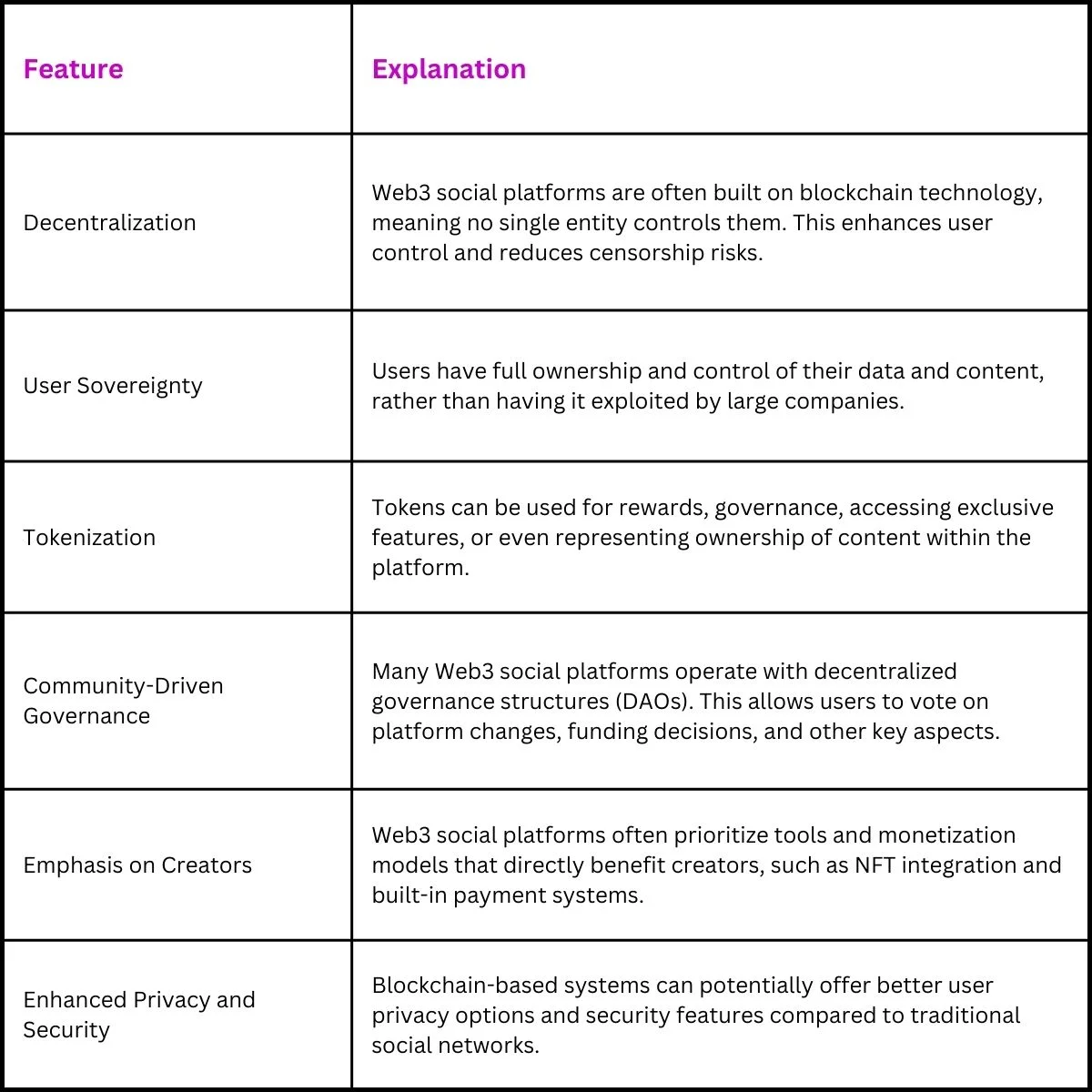
Mint a Soulbound Token (SBT) or a decentralized identifier (DID) to establish verifiable reputation. Platforms like Gitcoin Passport or Lens Protocol allow you to aggregate your onchain activity into a portable profile that proves your authenticity without revealing personal data.
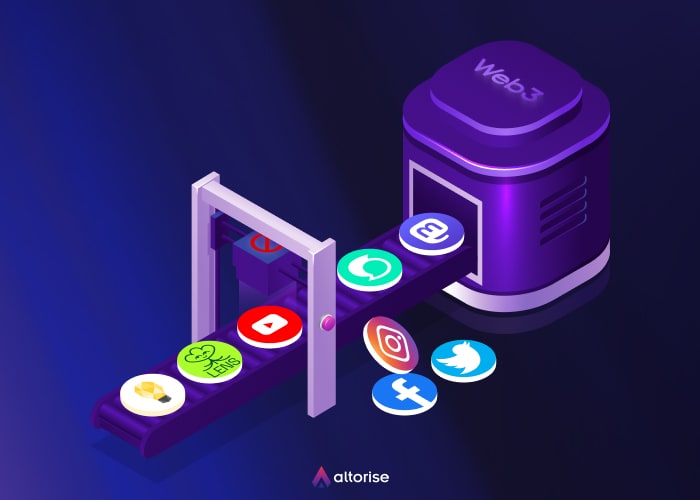
Select a protocol that aligns with your content type. For text and discourse, consider Lens or Farcaster. For visual or audio content, explore platforms like Friend.tech or Audius. The choice dictates how your followers interact with your posts and how value flows to your wallet.
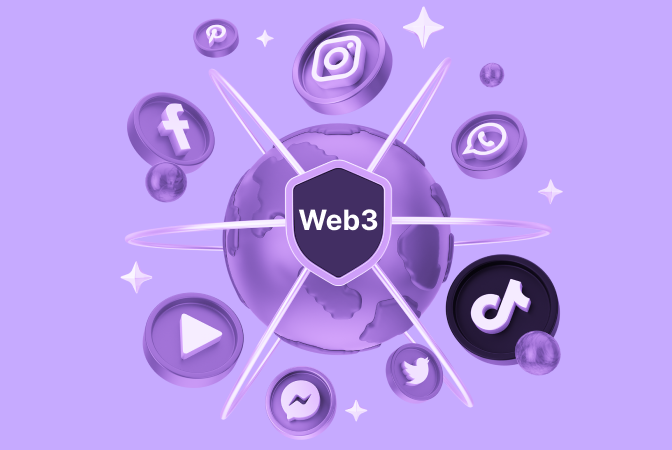
Post your first content piece and attach a token-gated access mechanism. This allows you to reserve premium insights or early access for holders of specific NFTs or governance tokens. This creates a direct monetization loop where engagement translates into ownership stakes.
Monitor your wallet’s incoming transactions and social graph growth. Unlike traditional analytics, onchain data provides immutable proof of loyalty. Use this data to refine your tokenomics and reward your most active community members with airdrops or exclusive access.


As an Amazon Associate, we may earn from qualifying purchases.
Frequently Asked Questions About Web3 Social
Web3 social strategy is still a moving target, with industry leaders offering widely different perspectives on its viability and utility. Clarifying these core concepts helps separate marketing hype from the actual mechanics of onchain identity and decentralized social graphs.
No comments yet. Be the first to share your thoughts!