Web3 social strategy limits to account for
Choosing a Web3 social strategy requires balancing technical capability, community alignment, and economic incentives. The following framework helps you evaluate platforms and tools against your specific goals, separating essential requirements from optional features.
A practical choice should survive normal use, maintenance, timing, and budget. If a recommendation only works in an ideal situation, call that out plainly and give the reader a fallback path.
Web3 social strategy choices that change the plan
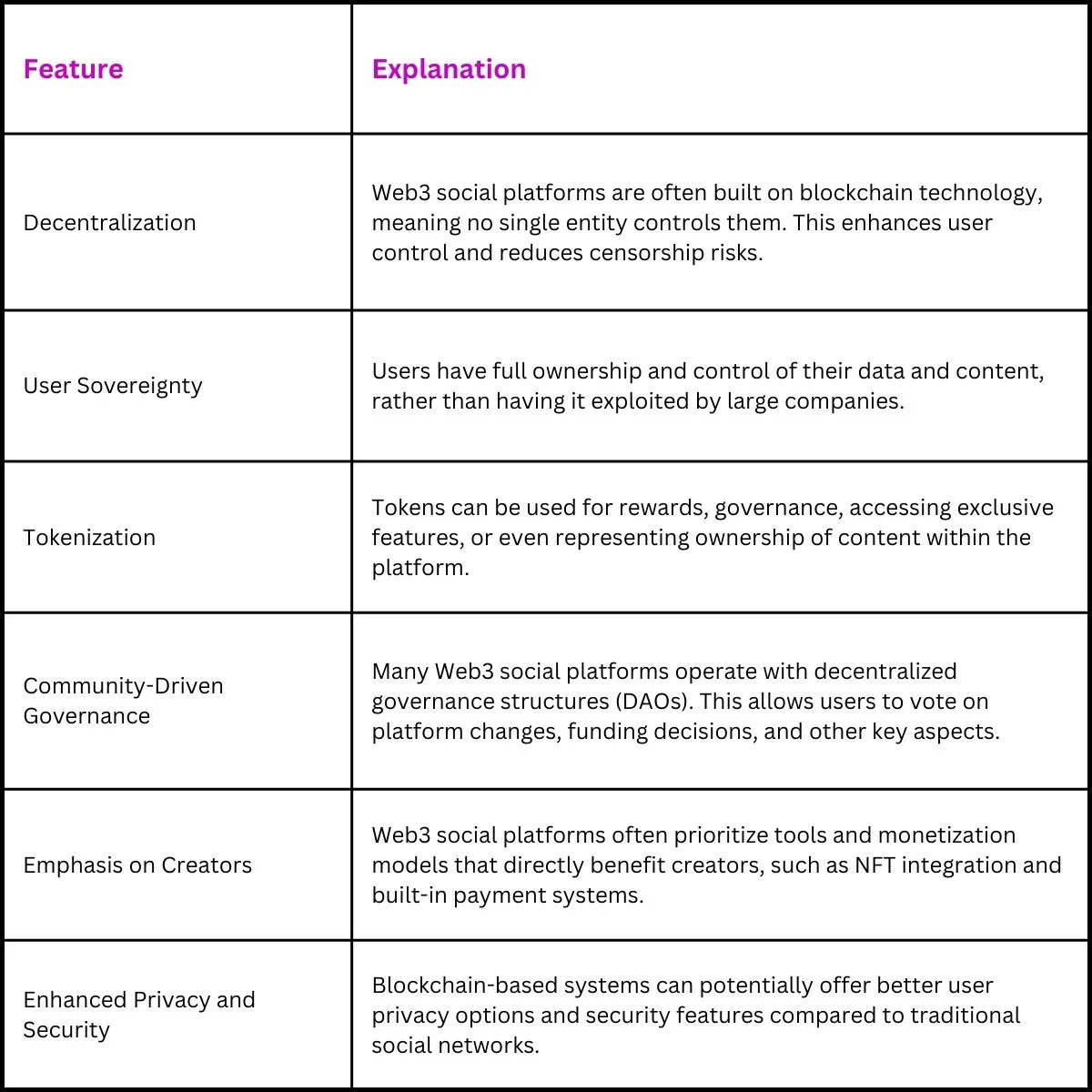
The landscape of Web3 social media is fragmented, with each platform offering distinct tradeoffs between censorship resistance, user experience, and monetization potential. Understanding these differences is critical for making an informed decision.
1. Protocol-Based Social Networks (e.g., Lens, Farcaster)
These platforms operate on decentralized protocols, allowing users to own their data and social graph. They offer high portability but often require a steeper learning curve for non-technical users.
- Pros: True data ownership, interoperability across apps, strong alignment with crypto-native communities.
- Cons: Higher friction for onboarding, inconsistent UX across different front-end clients.
2. Centralized Platforms with Web3 Features (e.g., Reddit, Discord integrations)
Some traditional social platforms are integrating Web3 elements like NFT badges or token-gated channels. These offer ease of use but lack true decentralization.
- Pros: Familiar user interface, large existing user base, easier onboarding.
- Cons: Data ownership remains with the platform, risk of de-platforming, limited portability.
3. Token-Gated Communities (e.g., Guilds, Collab.Land)
These tools allow creators to monetize access to content or communities using tokens or NFTs. They are ideal for building dedicated, paying audiences.
- Pros: Direct monetization, high-quality community engagement, flexible access control.
- Cons: Requires active community management, potential for speculative behavior over genuine engagement.
Choose the next step
Web3 Social Strategy works best as a clear sequence: define the constraint, compare the realistic options, test the tradeoff, and choose the path with the fewest hidden costs. That order keeps the advice usable instead of decorative.
After each step, pause long enough to check whether the recommendation still fits the reader's actual situation. If it depends on perfect timing, unusual access, or a best-case budget, include a simpler fallback.
Avoid the weak options
Not all Web3 social initiatives are created equal. Many projects promise decentralization but fail to deliver on user experience or economic sustainability. Avoid platforms that rely solely on speculative token incentives without building genuine utility or community value.
- No Active Development: Check GitHub activity and team transparency. Dead projects leave users with stranded assets.
- Poor Tokenomics: Be wary of high inflation rates or vesting schedules that dilute early supporters.
- Complex Onboarding: If a platform requires more than five steps to create an account, it will struggle to retain mainstream users.
Web3 social strategy: what to check next
Helpful gear
Use these product recommendations as a starting point, then choose the size, material, and price point that fit how you actually use the gear.


As an Amazon Associate, we may earn from qualifying purchases.
No comments yet. Be the first to share your thoughts!